AI in Healthcare
AI Transformation Healthcare Industry Explained
Learn what AI transformation healthcare industry means, from EHR integration to governance, ROI, and adoption roadmap for healthtech leaders.
September 23, 2026Read more
AI is revolutionizing the energy sector - enhancing grid efficiency, reducing waste, and leading the way toward a smarter, more sustainable energy future.
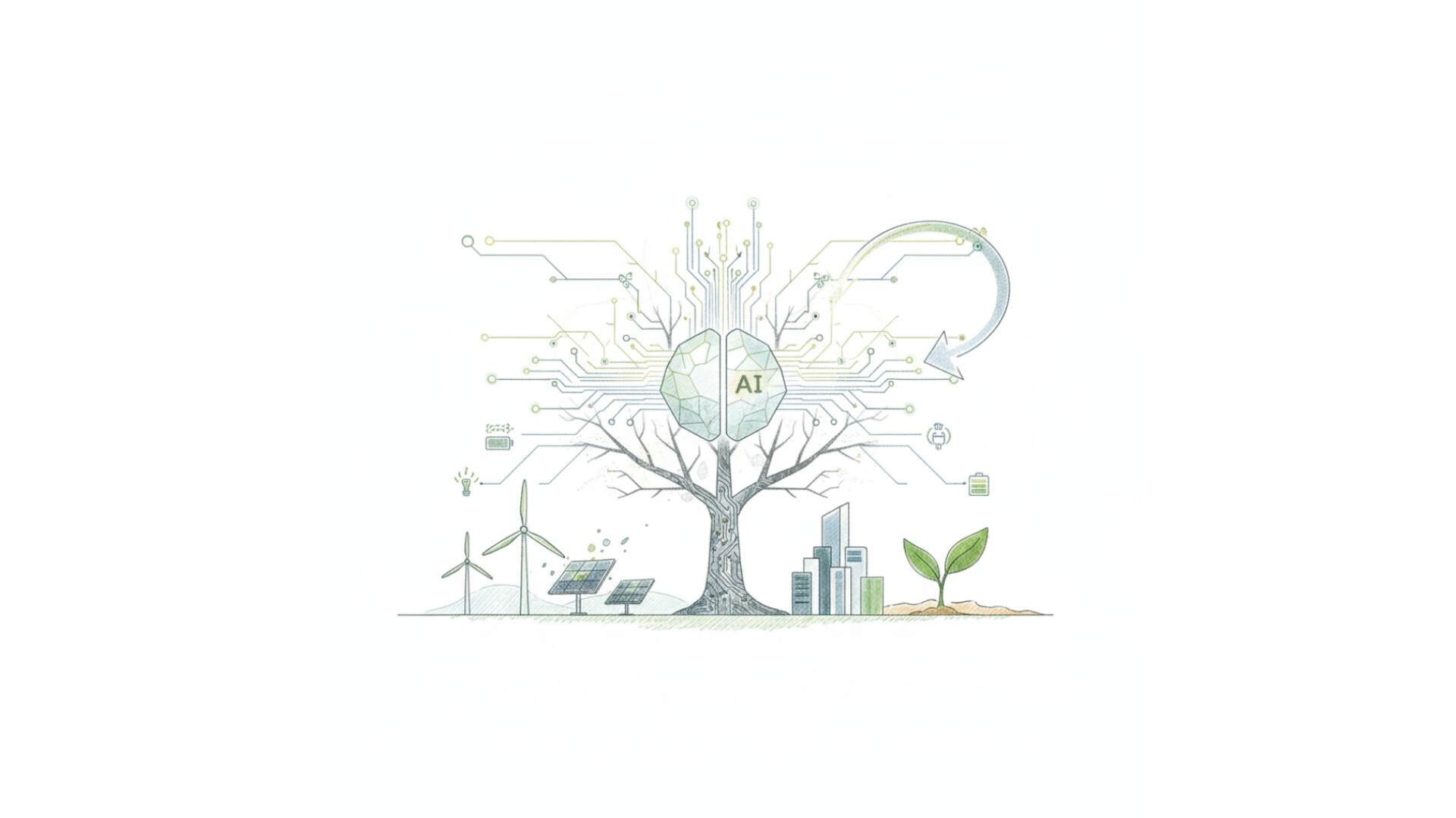
The world is facing two powerful transformations right now: the rise of Artificial Intelligence (AI) and the urgent shift toward clean energy. Together, they are redefining how we generate, distribute, and consume power. Using AI in the energy sector isn't just a futuristic concept anymore. It's actively helping to run today's power systems, making them smarter and more intelligent. Our demand for power continues to grow, but AI helps us meet it through innovative and sustainable solutions.
For this to work, businesses and governments need effective AI solutions driven by a clear strategy. That’s where AI strategy consulting comes in, guiding energy companies to build scalable systems that are better for the environment.
The global energy industry faces tough challenges; it must drastically cut carbon emissions while meeting the rising electricity demand. This has led to a major shift towards renewable sources like solar, wind, and hydro power. But this shift brings its own complexity. Unlike traditional power plants, renewables are inherently variable; the sun sets, and the wind calms. This creates a system that is far more unpredictable and reliant on smart data management to keep everything in balance.
This is where AI comes in. Think of these intelligent systems as a powerful brain for the grid. They can predict the weather, anticipate when energy demand will spike, and manage battery storage. By integrating AI solutions, grid operators aren't just guessing; they're making smart, data-driven decisions. This means we end up with an energy system that is simply better; it works more smoothly, you can count on it, and it doesn't waste power.
A major challenge for AI in the energy sector is handling unpredictable output. AI tackles this by analyzing vast data from weather feeds and grid sensors to forecast supply and demand. These smart insights let providers make instant adjustments, ensuring a stable and reliable power supply.
For instance, if clouds are about to block the sun, AI can predict the drop in solar power and instantly switch on backup sources. This data-driven, automated decision-making is what keeps our power grid running smoothly and efficiently.
Today's energy grids are getting a "smart" upgrade. Thanks to AI, these grids can now learn from usage patterns, spot problems early, and automatically reroute power to avoid outages. This intelligent management also reduces energy loss during transmission and helps schedule maintenance more effectively.
Many companies work with an AI implementation partner to integrate these new technologies smoothly into their operations. This partner handles the setup of smart control systems, sensors, and monitoring tools that boost the performance of the energy network. As the partnership grows, the partner can provide a custom AI strategy report. This report serves as a detailed roadmap, offering clear guidance on how to improve and reduce costs, and plan for future growth.
Equipment like turbines and transformers needs constant upkeep to keep the energy flowing. Traditional methods depend on manual checks, which can be costly and time-consuming. AI changes that through smart maintenance.
By analyzing data, AI can detect unusual vibrations, temperature changes, or pressure differences that indicate early signs of failure. This allows engineers to fix a problem before it causes a major breakdown, saving both time and money.
AI plays a key role in reducing energy waste by continuously watching how power is used and smartly balancing its distribution. A great example is smart buildings, where AI automatically adjusts lighting, heating, and air conditioning based on occupancy levels and external weather conditions.
These real-world AI use cases show how smart automation directly lowers energy use and slashes operating expenses. It’s more than just using new technology; it’s about building a system that actively supports our long-term environmental goal.
Before bringing AI on board, every company needs to understand if it's truly ready. Conducting an AI readiness assessment helps them pinpoint what they're good at, what tools they need, and where their team might need more training. This crucial step ensures that adopting AI is a smooth and well-planned process.
Once a company knows it's ready, the next move is to build an AI adoption roadmap. Think of this as a step-by-step plan that guides the journey, starting with small trial runs and scaling up to a company-wide system. Together, the assessment and roadmap get everyone on the same page and build the confidence needed to move forward together.
As energy companies continue to evolve digitally, getting a clear picture of their AI maturity model is crucial. Think of this model as a simple tool that measures how well a company uses AI, from initial experimentation to full integration into everyday operations. By revisiting this model regularly, businesses can see how far they've come, identify where they can do better, and adjust their long-term AI plans for success.
Teaming up with a skilled AI implementation partner can speed up this entire process. With their expertise, a company can refresh its custom AI strategy report, ensuring it captures the latest opportunities and keeps the business progressing steadily toward its goals for a greener, more innovative future.
AI helps balance energy in real time by changing demands and optimizing the use of renewable sources. These smart systems analyze weather reports, live usage data, and historical trends to ensure a steady and reliable power supply.
The result is a system with fewer outages, reduced operating expenses, and much less wasted energy. As a part of a broader sustainability effort, companies turn to AI strategy consulting to refine their operations and develop more intelligent sustainable energy networks.
While AI helps optimise energy, it also consumes significant power. Data centers running complex AI models demand large amounts of electricity, often sourced from fossil fuels. The good news is that the industry is now actively working to reduce AI’s environmental impact.
With smart solutions, data centers can now schedule their work to match the availability of clean energy. For example, they can automatically run their most power-intensive calculations during the sunniest part of the day when solar power is abundant. This intelligent scheduling is a key step toward significantly lowering the total carbon emissions from these digital hubs.
Despite its clear advantages, bringing AI into the energy industry comes with its own set of hurdles. The most frequent challenges are:
High implementation costs: Building AI models and maintaining the necessary technology requires a significant financial investment.
Data quality issues: If the data is inaccurate or incomplete, the AI's performance and usefulness drop significantly.
Cybersecurity concerns: As grids become smarter and more connected, they can also become more attractive targets for cyber attacks.
Skill gaps: A shortage of in-house expertise can slow down the effective rollout of AI systems.
This is exactly where getting the right support makes all the difference.
The use of AI in the energy sector is especially powerful for renewables. It functions as a smart manager for solar farms and wind turbines, predicting the most effective times to generate and deliver power.
Governments and energy planners are now using AI to study long-term environmental trends. This helps them create smarter, more effective energy policies. For example, in AI strategy consulting, leaders can run simulations to predict future energy needs and see how adding more renewables affects the entire system.
These powerful insights are key to building stronger, more sustainable power networks, systems that can successfully adapt to a growing population and the evolving challenges of climate change.
Artificial Intelligence serves as an important link between innovation and sustainability, actively building cleaner and smarter energy systems for everyone. From practical AI to expert AI strategy consulting, the industry is moving toward a future where technology and environmental responsibility go hand in hand. By using tools like an AI readiness assessment, a clear AI adoption roadmap, and a guiding AI maturity model, we can ensure our progress is both intelligent and responsible. Contact our team to learn how these intelligent solutions can be tailored to your energy challenges, proving that the future of energy isn't just about more technology, but about more wisdom.
1. How is AI in the energy sector transforming power systems?
AI in the energy sector enhances efficiency by predicting demand, optimizing renewable energy use, and reducing waste, leading to a smarter, more sustainable global energy network.
2. Why do energy companies need AI strategy consulting?
AI strategy consulting helps energy firms define clear goals, design effective AI solutions, and build scalable systems that align with sustainability and business growth objectives.
3. What are some real-world AI use cases in energy?
AI use cases include predictive maintenance, smart grid management, and renewable forecasting - all helping minimise downtime, cut costs, and enhance power reliability.
4. How does an AI implementation partner support transformation?
An AI implementation partner develops and executes tailored strategies, provides a custom AI strategy report, and ensures smooth integration for better efficiency and future scalability.
5. What’s the role of an AI readiness assessment and AI maturity model?
An AI readiness assessment evaluates preparedness, while an AI maturity model and AI adoption roadmap guide progress toward effective and sustainable AI in the energy sector.
Learn what AI transformation healthcare industry means, from EHR integration to governance, ROI, and adoption roadmap for healthtech leaders.

Explore skilled nursing facility software in 2026. Covers core modules, compliance, KPIs, vendor evaluation, & AI integration for executives.

Unlock scalable impact with a practical healthcare AI transformation framework. This guide covers strategy, governance, ROI, and a phased roadmap for leaders.
Connect with our team to explore how AI expertise can transform your business.