AI in Healthcare
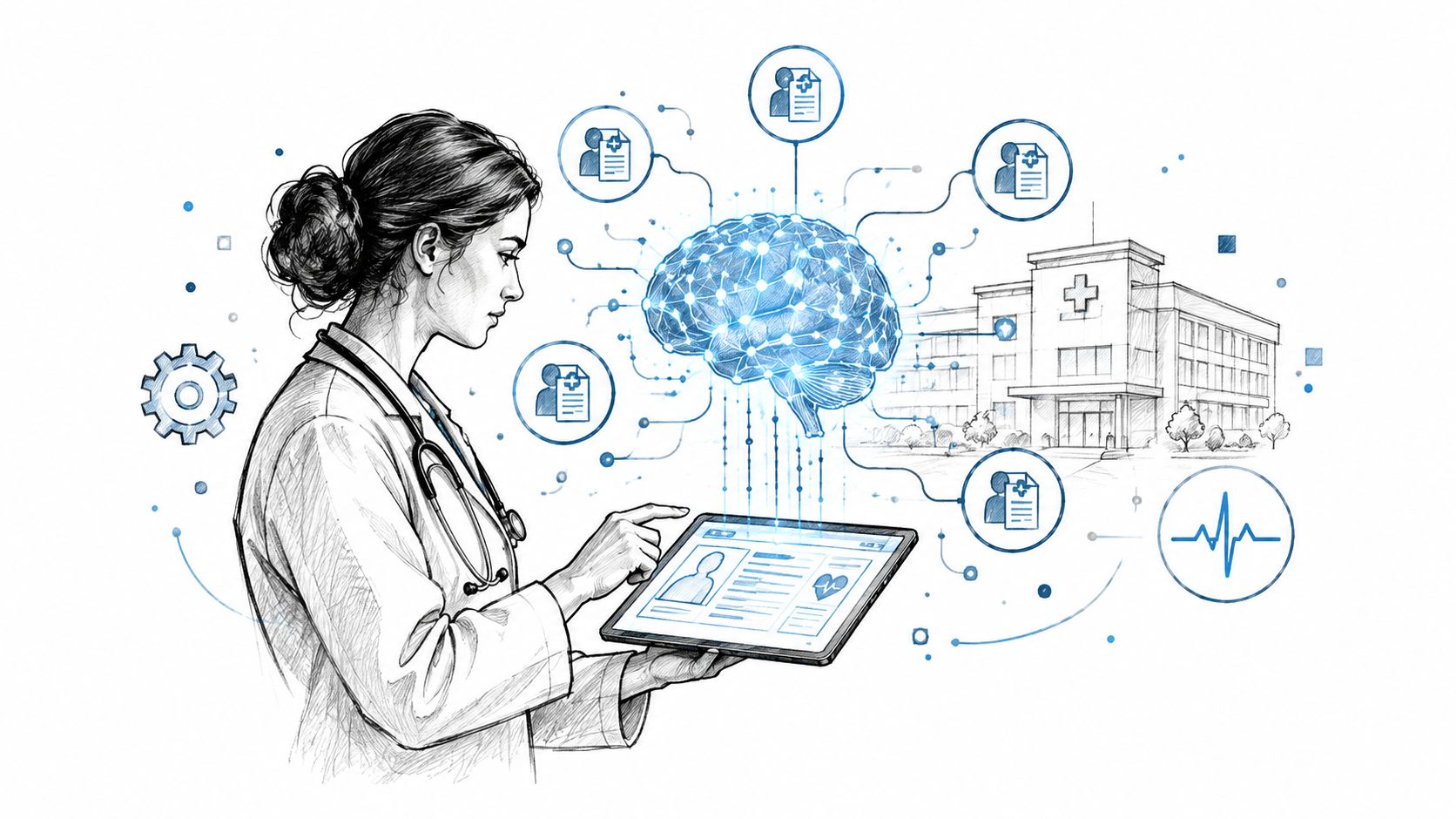
AI Transformation Healthcare Industry Explained
Learn what AI transformation healthcare industry means, from EHR integration to governance, ROI, and adoption roadmap for healthtech leaders.
September 23, 2026Read more
AI transformation fails when change management is ignored. Discover how leadership alignment, training, and cultural readiness impact long-term AI success.
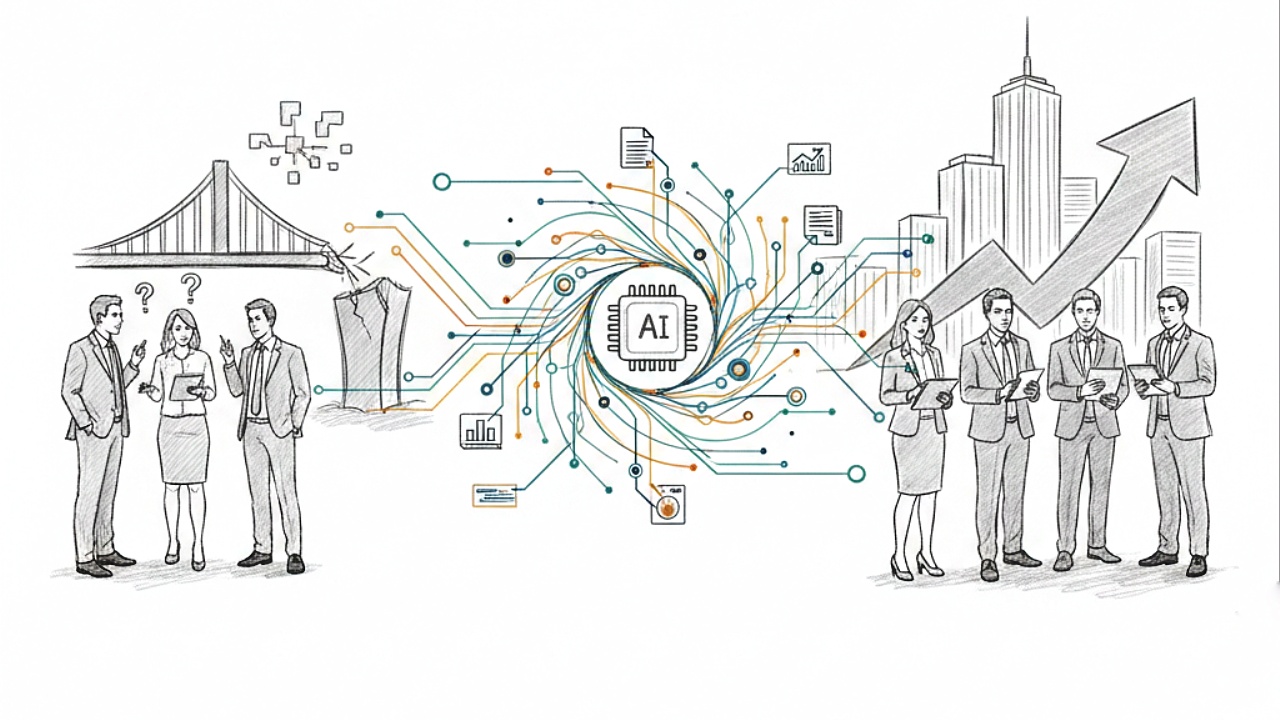
The journey into artificial intelligence often starts with a powerful vision. Leadership teams approve budgets, technical teams design systems, and project plans move forward. On the surface, everything appears to advance. New dashboards activate, algorithms process data, and software integrates through carefully selected AI solutions. However, a more subtle challenge emerges beneath these technical steps. Without preparing a team for new methods, even brilliant systems face resistance. This reality marks the true expense of overlooking human factors. The cost is not always a dramatic breakdown; it is a gradual loss of confidence, engagement, and lasting impact.
Adopting AI transformation reshapes how teams reach conclusions, manage workflows, and understand responsibility. Approaching this shift purely as a technology upgrade builds a divide between a system's potential and the daily reality of its users.
AI systems are part of daily work. They connect to team processes and the decisions people make. When these tools arrive unexpectedly, with no clear reason, people feel unsure. Change management handles the human side. It begins with conversations that explain the reason, outline new responsibilities, teach skills, and build agreement. Without this step, teams may view AI as a barrier rather than a support. This is where AI change management matters. It is not a simple list. It is the work of connecting technology to the people who need it. When that link is missing, people step back. They use old methods, avoid new tools, or do not trust the results. Over time, the organization works harder to explain the system than to use it.
When a bridge between people and technology is missing, hesitation surfaces quietly. Employees revert to familiar spreadsheets, ignore new platforms, or distrust results they cannot interpret. The organization then spends more time justifying the technology than benefiting from it.
Structured change planning often gets postponed in favor of faster technical delivery. The consequences of this choice are rarely sudden or dramatic. They emerge slowly, reducing the value an organization expects from its investment.
A clear symptom of this is low adoption despite significant investment. New systems launch, but daily use remains minimal. Reports get generated and then ignored. Predictions are made, yet they do not shape the choices that matter. This gap creates the belief that the AI project lacks practical value, even when the underlying technology functions perfectly.
AI alters how decisions are reached. It creates new pathways that can leave ownership unclear. When responsibility is unclear, teams pull back. People wonder who should act on a system’s automated insight. Without clear guidance, the very process of making a decision grows slower and more hesitant.
Trust is built on understanding. When a team lacks insight into how a system functions or the reasoning behind its suggestions, doubt takes root. This doubt often points not to a technical failure, but to a missing link in communication and shared context.

The price of overlooking change management goes beyond unused licenses. It seeps into daily operations, causing inefficiencies, duplicated work, and projects that lose momentum.
A common reaction is to spend more on technology. Teams replace one dashboard with another. They add more models. However, without solving the human side of the equation, outcomes stay the same. This pattern increases expenditure while eroding confidence.
At this point, AI change management shifts from a proactive foundation to a reactive recovery task. Restoring trust and driving adoption demands far more effort than building it into the plan from the beginning.
Successful AI programs align the vision, team, and execution. This connection starts with a clear and shared purpose.
A clear purpose guides acceptance. When a team grasps why a system matters and how it contributes to real-world results, reluctance begins to fade. This understanding often stems from deliberate planning, a process supported by AI strategy consulting that turns leadership ambition into a clear and actionable path.
AI delivers value only when it becomes part of the daily routine. This step involves examining existing workflows and locating the natural moments where an insight creates a difference. By defining AI use cases within these genuine work scenarios, the path to adoption becomes smoother, and trust grows organically.
AI initiatives operate best with a supporting framework. Governance provides the necessary boundaries, and readiness activities track tangible progress.
Conducting an AI readiness assessment provides a clear view of current capabilities. It examines team skills, the state of available data, and the alignment between different parts of the organization. This process reveals obstacles that technology cannot fix on its own. Tackling these challenges early makes the path forward much smoother for everyone involved.
Every organization's path with AI is unique, progressing through natural stages of understanding and application. An AI maturity model gives a shared language to describe that progress. It turns a complex transformation into a recognizable journey, shifting focus from a single launch event to continuous growth.
While these frameworks support steady advancement, their true power only emerges alongside consistent dialogue and active leadership support.
External partners frequently guide organizations through their AI journey. Their contribution, however, extends far beyond the technical launch.
A skilled AI implementation partner recognizes that long-term success hinges on people, not just software. This insight directly influences the structure of a project timeline, the design of training, and the engagement of teams throughout the process. When a partner’s focus narrows to technical delivery alone, the risk of low adoption increases significantly.
To create a shared foundation, some teams request a custom AI strategy report. This document outlines the vision and the practical steps to achieve it. When crafted for clarity and communicated openly, it becomes a tool for unity, aligning leaders and teams toward a common goal.
The existing culture within an organization acts as the final, decisive force in any transformation. AI inherently questions long-standing norms about who holds knowledge and how decisions are made. Leaders sit at the heart of this shift.
Acceptance takes root through open forums for discussion, communication that leaves little to speculation, and expectations that are ambitious yet realistic. Anchoring this approach in the established principles of organizational change management provides a reliable and proven path forward.
When leadership approaches AI as a collective journey of discovery, rather than a directive issued from above, trust builds organically. The transformation becomes something people are part of, not something done to them.
Transformation without a clear direction leads to exhaustion. A well-defined AI adoption roadmap provides that necessary structure. It maps out the phases ahead, sets realistic expectations, and shows where support will be available. Most importantly, it communicates that the change is a considered plan, not a sudden demand.
When people can see a logical progression of steps instead of constant disruption, their willingness to participate increases. This is the third, and most practical, place where AI change management becomes relevant. It moves from a concept into an active guide, walking alongside the team at every stage of the journey.
The promise of AI transformation is compelling, but that promise is not self-fulfilling. Overlooking the people who power an organization leads to a quiet, accumulating cost. Adoption falters, confidence fades, and forward motion slows.
The organizations that succeed are those that treat change as a core component of their plan, not a footnote. They integrate their systems with their teams, connect their strategy to daily work, and ground their ambition in practical steps.
For organizations considering this path, or seeking to renew an initiative that has lost its way, a structured approach that honors both technology and team is fundamental. Contact us to explore a structured approach.
AI change management ensures teams understand, trust, and adopt AI Solutions, preventing low usage and resistance after launch.
Without AI change management, adoption drops, roles become unclear, and even well-designed AI use cases fail to influence real decisions.
AI strategy consulting aligns vision, people, and execution through structured planning and a custom AI strategy report.
An AI readiness assessment evaluates capability gaps, while an AI maturity model tracks long-term progress beyond initial deployment.
A strong AI implementation partner integrates AI Solutions into workflows, supported by a clear AI adoption roadmap that guides teams through change.
Learn what AI transformation healthcare industry means, from EHR integration to governance, ROI, and adoption roadmap for healthtech leaders.

Explore skilled nursing facility software in 2026. Covers core modules, compliance, KPIs, vendor evaluation, & AI integration for executives.

Unlock scalable impact with a practical healthcare AI transformation framework. This guide covers strategy, governance, ROI, and a phased roadmap for leaders.
Connect with our team to explore how AI expertise can transform your business.