AI in Healthcare
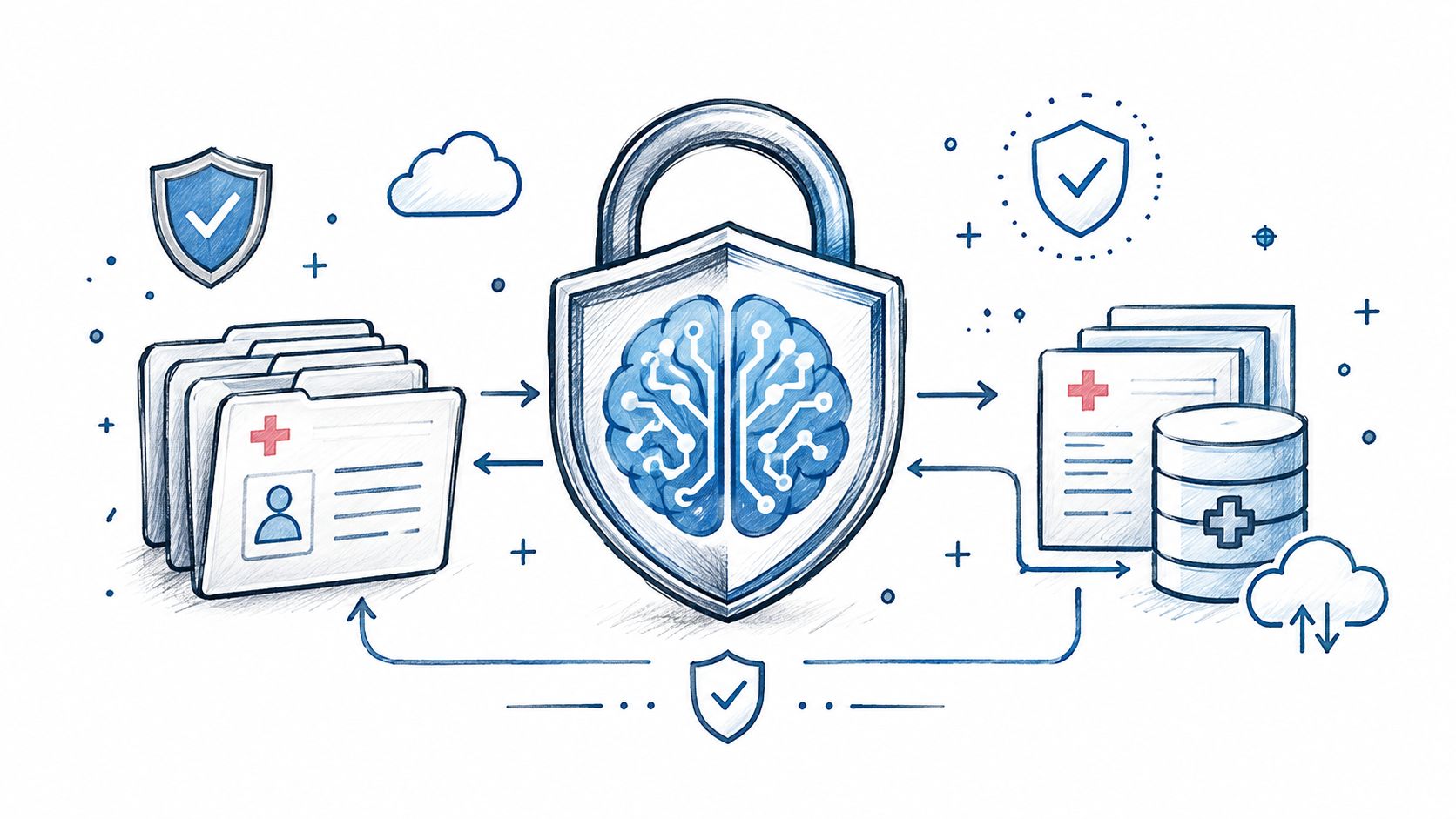
HIPAA-Compliant AI: How to Use LLMs With PHI Safely
How to build HIPAA-compliant AI: when LLM providers need a BAA, data minimization, de-identification, audit controls and a reference architecture.
October 16, 2026Read more
AI and digital health platforms are driving connected healthcare by enabling real-time data sharing, smarter insights, and personalized care. Discover how they are shaping the future of modern healthcare systems.
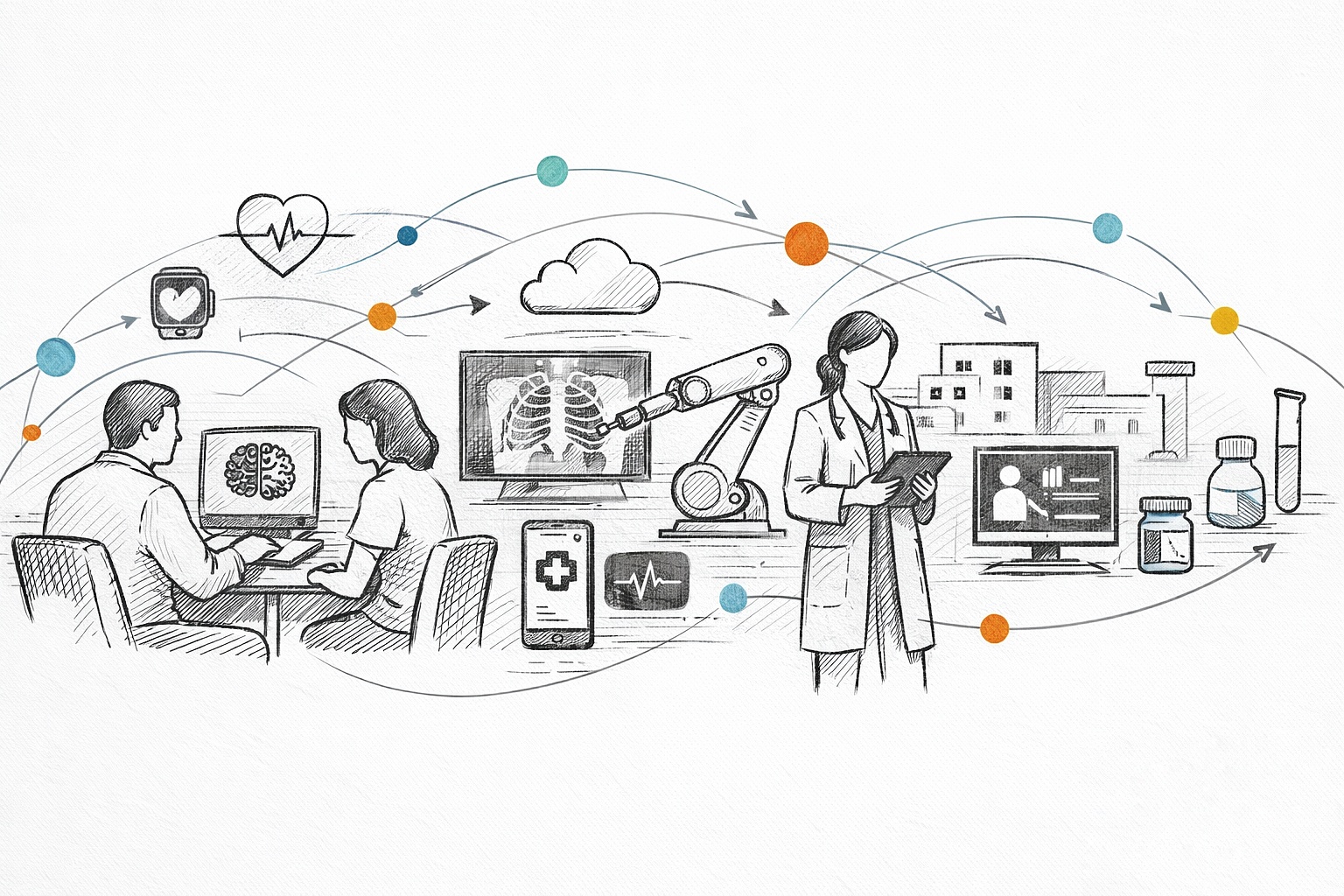
Healthcare systems today carry heavy loads. Data keeps growing, diagnoses get delayed, and different parts of care do not connect well. Hospitals hold patient records, imaging files, and clinical notes across many systems that rarely talk to each other in real time. This lack of connection slows down decisions and leaves gaps in patient care. AI digital health platforms offer a single, unified way forward. Data moves freely, and clinicians receive insights without waiting.
The industry now moves toward smarter and more connected care models. AI paired with digital platforms builds a well-organised space where information, technology, and clinical skill work as one. "Healthcare is no longer just about treatment. It is about intelligent, connected care." This change points clearly toward better clinical results and clearer operations.
Artificial intelligence in healthcare means systems that analyze data, identify patterns, and assist clinical decisions. It works in areas like predicting outcomes, reading medical images, and offering decision support. For instance, AI can go through scans and catch early disease signs faster than a person can, giving doctors useful information to plan treatments. A dependable healthtech engineering partner brings real-world knowledge and technical skill to build solutions that fit clinical routines and patient needs.
Digital health platforms act as centralized systems that manage and connect healthcare services through a single interface. These platforms cover telemedicine systems, electronic health records, remote monitoring apps, and tools for patient engagement. They provide one unified place where healthcare teams can view patient information and coordinate care without extra steps. Organisations often turn to healthcare AI services to expand what their platforms can do and strengthen data-driven insights across clinical work.
Connected healthcare describes a setup where patients, doctors, devices, and data stay linked at all times. Information moves across systems without any lag, forming a continuous flow of communication. This connection strengthens care coordination, cuts down repeated work, and builds stronger teamwork among everyone involved. Thoughtful planning through a custom AI strategy report helps healthcare providers match technology spending with their long-term care objectives.
AI operates within digital platforms to process data and generate valuable insights. These platforms handle daily workflows, store patient records, and share clear outputs with clinicians. Automated tasks reduce hands-on work and bring order to complicated medical situations.
In a common scenario, patient data flows into the platform. AI studies the patterns. Then the system sends insights to the doctor straight away. This steady sequence improves decision accuracy and quickens care delivery. Regulated technologies like SaMD solutions run inside these systems to deliver clinical tasks through software-based tools.

Not every digital health platform offers the same level of value. The strongest solutions share certain abilities that boost clinical efficiency, strengthen communication, and deliver a smooth care experience. Many advanced platforms now include AI workflow automation to simplify processes, lower hands-on tasks, and raise the quality of care.
A good platform comes with dependable video visits, instant messaging, and live chat features. These tools create a natural connection between patients and doctors, even when they are far apart.
Advanced systems use smart tools to review patient data and point out key findings. Doctors receive guidance on potential risks, treatment options, and next steps, which raises both the speed and accuracy of their decisions. Many platforms also bring in AI automation services to streamline clinical workflows and cut down routine manual work.
Easy access matters a great deal for adoption. Platforms built for mobile devices give patients and providers the freedom to manage health records, appointments, and messages from any location.
Digital prescription features let doctors send medications straight to pharmacies without waiting. Connecting with diagnostic labs brings test results into the system right away, creating a steady stream of information.
A central electronic health record system stores patient data in an organised and safe environment. Medical history, prescriptions, and clinical notes stay available to approved users, balancing both access and data protection.
These systems gather and combine information from different places, like hospitals, labs, and wearable devices. One complete view of the data gives clinicians a better understanding and sharper decision-making.
Cloud-based systems store and manage large amounts of healthcare data. They offer flexibility to grow and allow access from different locations.
Machine learning models study patient data and produce insights that help guide diagnosis and treatment choices.
APIs connect various systems and let data move between them without friction. Interoperability builds a connected healthcare environment where systems talk to one another without roadblocks.
Healthcare platforms follow strict data protection rules to keep patient information safe and meet regulatory standards. AI implementation support strengthens system dependability and keeps operations aligned with regulations.
Google Health AI specialises in advanced data analysis and medical imaging. It helps catch diseases early and strengthens clinical decisions by processing large amounts of healthcare data.
AWS HealthLake is a cloud-based platform that organises and structures healthcare information. It pulls together different data sources and gives real-time access for smoother coordination across systems.
Microsoft's platform improves clinical workflows with AI-driven documentation and insights. It cuts down administrative tasks and strengthens communication among healthcare providers.
Tempus focuses on precision medicine by studying clinical and genomic data. It helps doctors find personalised treatment options, especially for complex conditions like cancer.
Aidoc works in medical imaging and radiology. It spots critical findings in scans and alerts doctors quickly, which raises diagnosis speed and improves patient outcomes.
Healthcare systems manage very sensitive patient information. This includes medical histories, diagnoses, and personal details. Keeping this data safe is critical for maintaining trust and meeting strict legal rules. Any security flaw or data leak can bring serious legal trouble and cause patients to lose confidence. That is why strong data protection strategies must come first.
Many hospitals and healthcare providers still run on older systems. These were never built to work with modern technologies. Connecting these old systems with advanced AI and digital platforms often creates technical hurdles. This lack of fit can slow down digital progress and demand extra time and money to get everything working together smoothly.
Bringing in AI digital health platforms requires a large financial commitment. Costs cover infrastructure upgrades, software development, staff training, and ongoing system upkeep. For smaller healthcare organisations, these expenses can block adoption and limit access to advanced tools.
AI in healthcare raises important ethical questions about fairness, openness, and responsibility. Clinical decisions shaped by AI must be clear and explainable to healthcare professionals. There is also worry about bias in data, which can affect the accuracy and fairness of results across different patient groups.
Adopting AI and digital platforms needs people who understand both healthcare processes and advanced technology. Many organisations struggle to find skilled experts who can run, implement, and maintain these systems. This skills gap can slow innovation and restrict the effective use of technology.
AI in radiology reads scans and finds problems with high precision. These practical AI use cases show how technology works in actual clinical settings. Remote patient monitoring uses wearable devices to track health measures as they happen. Virtual visits connect patients with doctors through digital platforms. Predictive analytics spots health risks and helps guide preventive care strategies.
AI-driven hospitals bring advanced technologies together across departments for smooth operations. IoT and wearable devices keep expanding how we collect data and monitor patients. Personalised medicine uses data insights to shape treatments for each person. Digital twins copy patient conditions for testing and analysis. Fully connected ecosystems link every part of healthcare delivery through unified platforms.
AI and digital health platforms are changing how healthcare systems run. They create connected and smart environments where information flows freely. From diagnosis to treatment to patient engagement, every step becomes more organised and driven by real data. AI digital health platforms bring clarity, speed, and better coordination across complex healthcare systems.
Contact us to explore how connected healthcare strategies can fit with your long-term clinical and operational goals. The future of healthcare depends not only on new ideas but on connection, where every piece of data, every system, and every person works together to deliver better care.
AI digital health platforms connect systems, improve data flow, and support smarter decisions through real-world AI use cases.
Healthcare AI services enable AI workflow automation and AI automation services to streamline operations and improve patient care delivery.
A healthtech engineering partner provides AI implementation support and ensures secure integration of SaMD solutions into digital platforms.
A custom AI strategy report identifies the right AI use cases and guides effective adoption of AI digital health platforms.
AI workflow automation reduces manual tasks, improves efficiency, and strengthens AI digital health platforms with better process management.
How to build HIPAA-compliant AI: when LLM providers need a BAA, data minimization, de-identification, audit controls and a reference architecture.
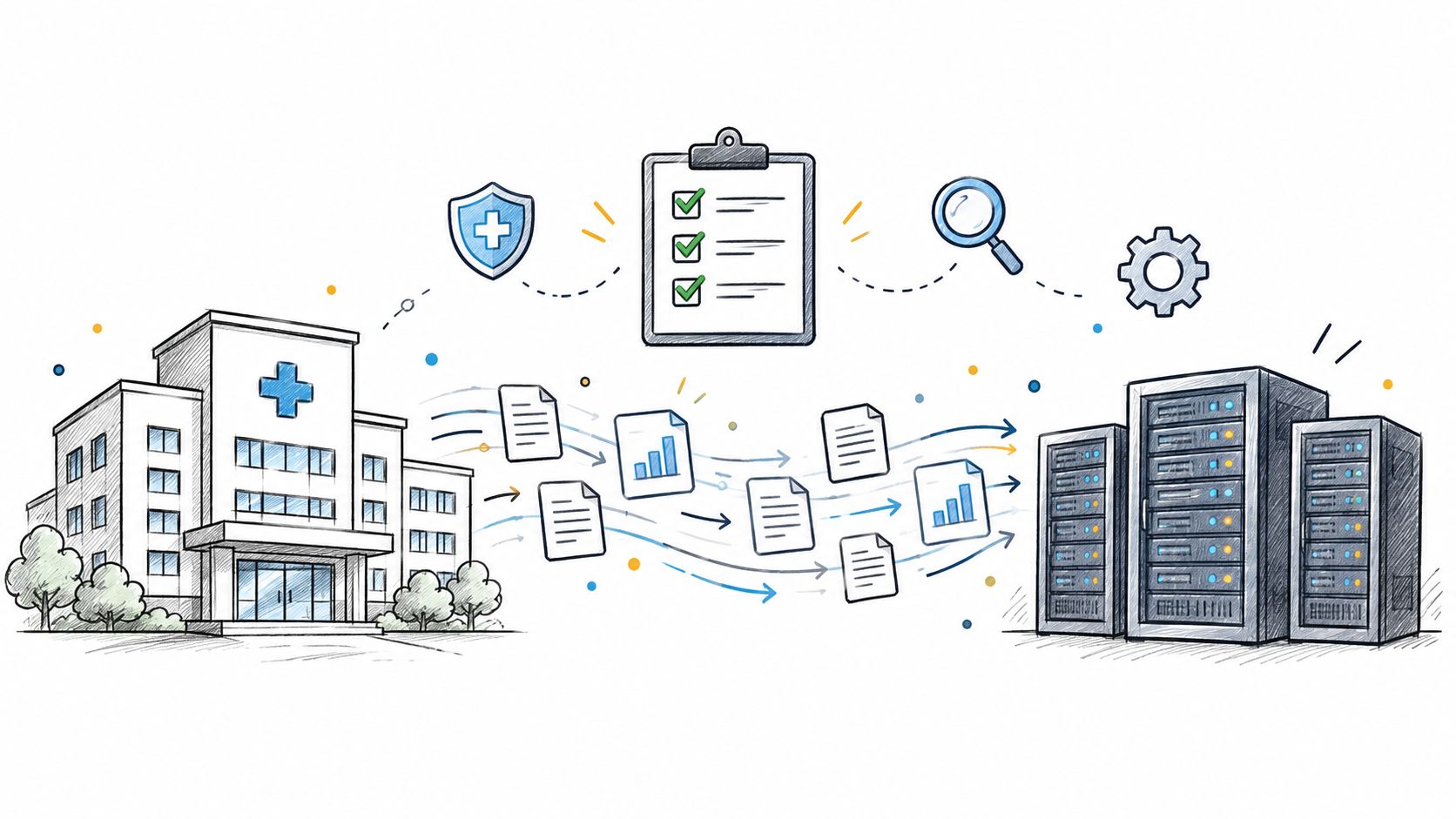
Practical data migration planning guide for healthcare teams. Scope, mapping, compliance, validation, cutover and rollback decisions explained end to end.
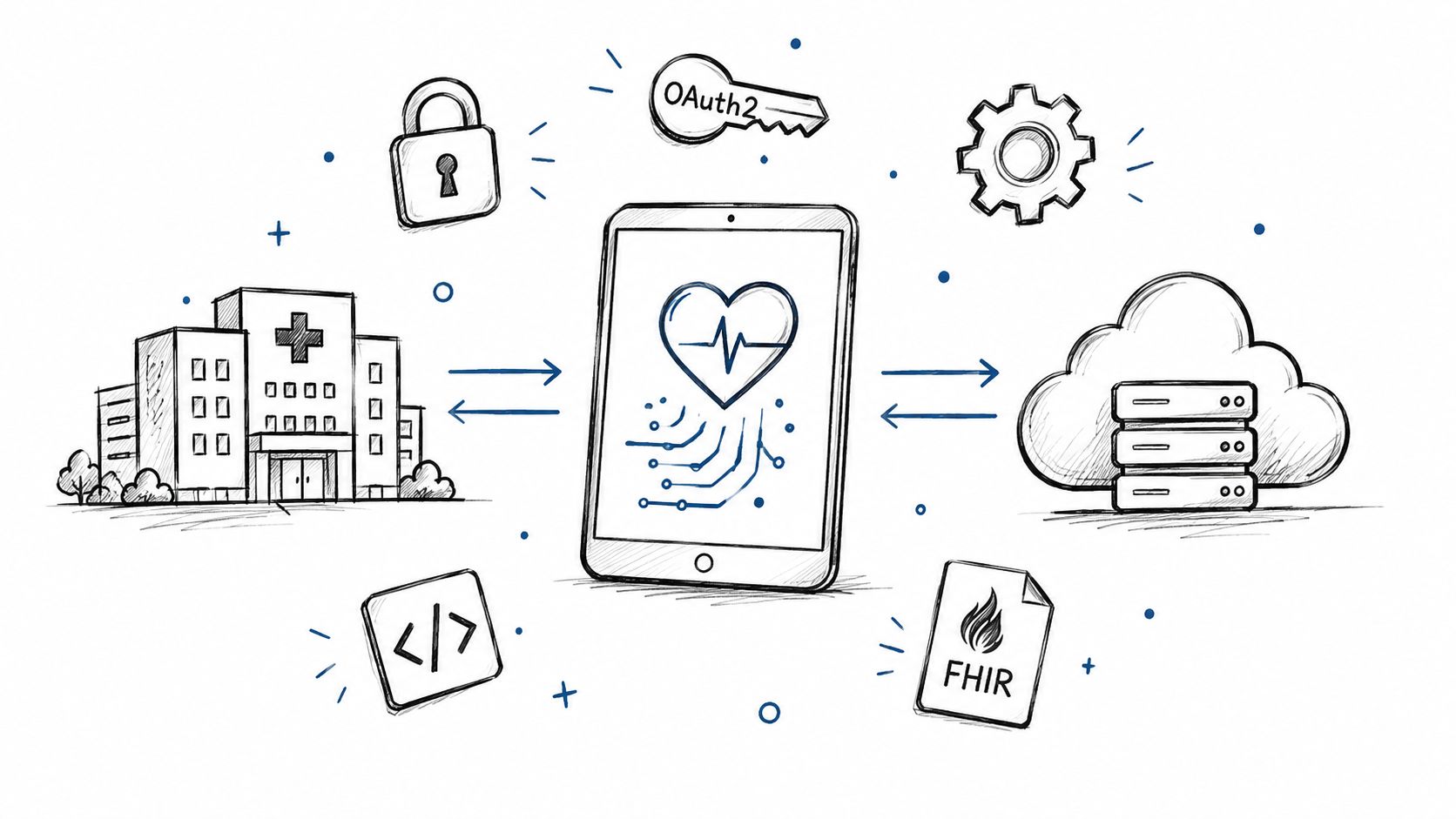
Smart on FHIR guide for healthtech engineers. Learn the OAuth 2.0 launch model, scope syntax, backend services, and US regulatory requirements.
Connect with our team to explore how AI expertise can transform your business.