AI in Healthcare
HIPAA-Compliant AI: How to Use LLMs With PHI Safely
How to build HIPAA-compliant AI: when LLM providers need a BAA, data minimization, de-identification, audit controls and a reference architecture.
October 16, 2026Read more
AI is transforming patient engagement by enabling personalized communication, proactive care, and better health outcomes. Discover how it is shaping the future of digital healthcare.
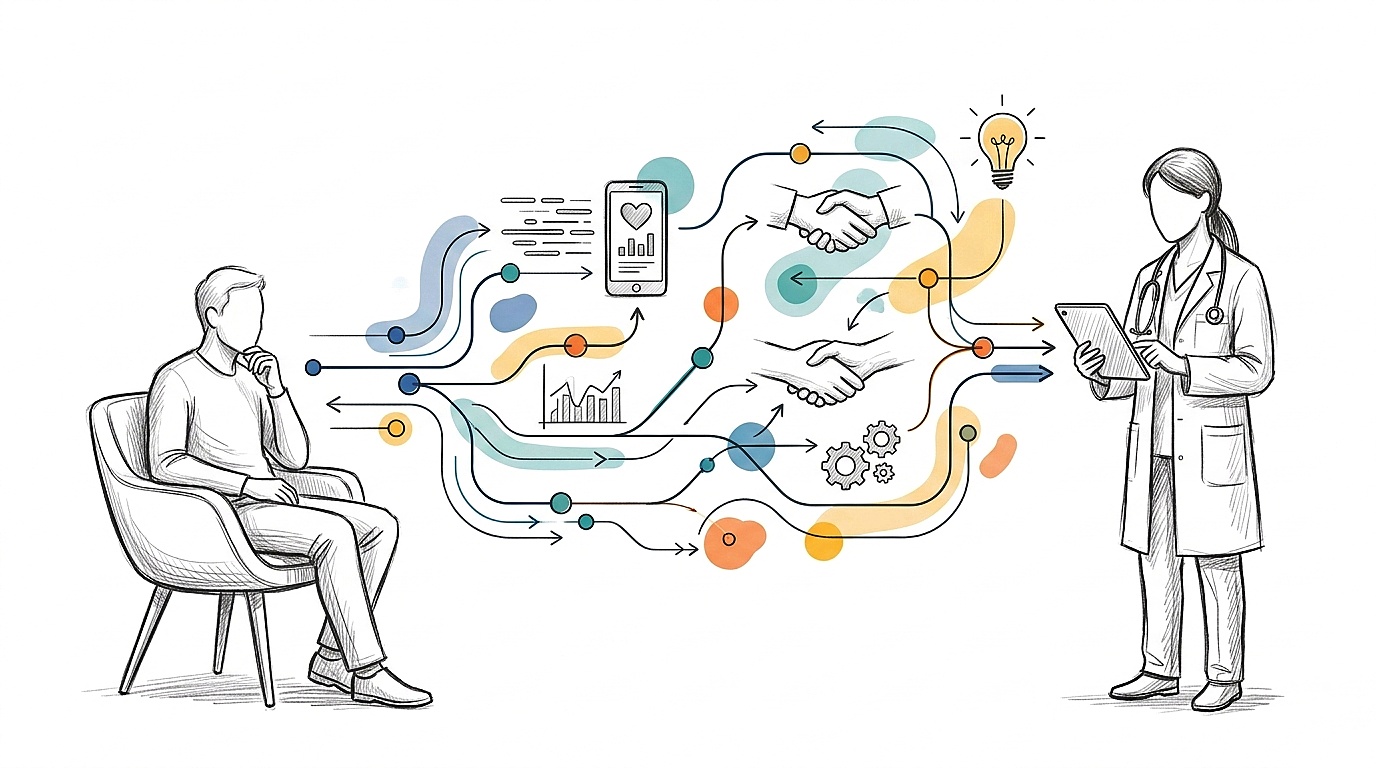
Healthcare is moving toward a model where patient experience matters as much as clinical results. Digital tools, connected devices, and data-driven care have changed what people expect. Patients want quick responses, clear communication, and ongoing interaction at every stage of their care. Engagement has become a clear measure of success for healthcare providers. It affects whether patients follow through with care, how satisfied they are, and how well they do in the long run. Old ways of communicating no longer fit these expectations, making change necessary.
Artificial intelligence is changing how healthcare organizations connect with patients. With AI patient engagement platforms, providers can build experiences that are consistent, responsive, and personalized across many different points of contact. AI-driven patient engagement is quickly becoming the next major shift in healthcare.
Traditional engagement models rely on disconnected systems that rarely share information. Patient data stays locked in separate departments, making it hard to see the full picture. Communication is mostly reactive. Patients often hear updates after something has already happened, which slows down care and chips away at trust. Personalization is limited too. Many systems treat patients like data points rather than individuals with their own needs, preferences, and health conditions.
AI-driven patient engagement means using intelligent systems to create ongoing, personalized, and responsive connections between patients and healthcare providers. A healthtech engineering partner helps design systems that connect clinical workflows with digital engagement tools. This approach builds a smooth patient experience across different platforms.
AI adds context to communication. It looks at patterns, anticipates needs, and delivers the right information at the right time. Patients receive guidance that fits their condition and behavior. Examples include chatbots that answer questions, mobile apps that track health data, and remote monitoring systems that give care teams real-time updates.

AI uses patient data to shape interactions that feel personal. This includes medical history, lifestyle habits, and treatment plans. Healthcare AI services provide the building blocks for systems that deliver tailored messages, reminders, and suggestions. Patients get information that feels relevant and comes at the right time.
AI-powered chatbots and virtual assistants can answer patient questions anytime. This cuts down on wait times and makes care more accessible. Many organizations use a custom AI strategy report to map out how automation fits into patient engagement, bringing clarity to both deployment and scaling.
AI pulls together patient data from wearables, apps, and clinical systems, creating a steady flow of information. SaMD solutions extend this by connecting software-driven tools with clinical decision processes, helping maintain continuity across different stages of treatment.
Healthcare providers are using AI across many points of patient interaction to build a more connected experience. AI automation services are widely used for scheduling appointments and sending reminders. Patients get alerts that help reduce missed visits and improve time management.
Chatbots handle common questions about symptoms, medications, and follow-up care. This lightens the load on clinical staff and speeds up response times. AI implementation support is essential when rolling out remote monitoring systems. Wearable devices gather patient data and share it with care teams so they can act when needed.
An AI readiness assessment is often done before launching triage systems that help guide patients based on their symptoms. This supports better decisions early in the care process. Through these tools, AI patient engagement platforms build a structured and responsive way for patients and providers to stay connected.
Healthcare organizations are starting to focus on outcomes that reach beyond treatment. Patient engagement now affects both clinical results and how well operations run. An AI adoption roadmap gives organizations a clear way to connect engagement efforts with long-term goals, making sure technology investments support the patient experience.
Better engagement leads to higher satisfaction. Patients feel heard and informed throughout their care. Clinical outcomes improve when patients stick to treatment plans and show up for scheduled visits. Consistent communication makes a real difference in adherence.
Operational costs go down with automation and smoother workflows. Administrative tasks take less manual effort, which boosts productivity. Clear AI use cases help organizations pick the right tools that deliver measurable value across different departments.
Healthcare is moving away from reactive treatment and toward proactive care. AI is a big part of this change. Predictive tools spot risks before they turn into bigger problems. Early signals in patient data guide timely action. Remote monitoring gives care teams ongoing visibility into a patient’s health. Alerts come through when something needs attention.
Preventive care becomes more practical with data-driven insights. Patients get guidance that helps reduce long-term risks. Engagement plays a direct role in this shift. When patients stay connected and informed, they tend to act sooner. Engagement drives proactive care.
Bringing AI into patient engagement comes with a few important considerations. Data privacy and compliance are top concerns. Patient information has to be handled securely across all systems.
Ethical questions around decision-making and transparency also need attention. Clear guidelines help build trust in AI tools. Connecting new systems with existing infrastructure can be complicated. Organizations need a structured approach to make sure new tools work with older platforms.
AI is changing patient engagement from something reactive into an ongoing, intelligent experience. It strengthens communication, improves how care is delivered, and helps healthcare services meet what patients actually expect.
With AI patient engagement platforms, providers can build stronger relationships with patients at every stage of care. This shift brings real gains in outcomes, satisfaction, and efficiency.
AI-driven patient engagement is no longer something for the future. It is shaping digital healthcare today. Organizations that move early in this area set themselves up for lasting success. Contact us to explore how this transformation can take shape within your organization.
AI patient engagement platforms use intelligent systems to deliver personalized, real-time communication and improve patient interaction across the care journey.
Healthcare AI services enable personalized messaging, automation, and predictive insights, supporting effective AI use cases in patient communication and care.
A healthtech engineering partner helps design scalable systems, integrate tools, and provide AI implementation support for the smooth deployment of engagement platforms.
They often start with an AI readiness assessment, followed by a custom AI strategy report and a clear AI adoption roadmap for structured implementation.
AI automation services, remote monitoring tools, and regulated SaMD solutions help create continuous, connected, and efficient patient engagement experiences.
How to build HIPAA-compliant AI: when LLM providers need a BAA, data minimization, de-identification, audit controls and a reference architecture.
Practical data migration planning guide for healthcare teams. Scope, mapping, compliance, validation, cutover and rollback decisions explained end to end.
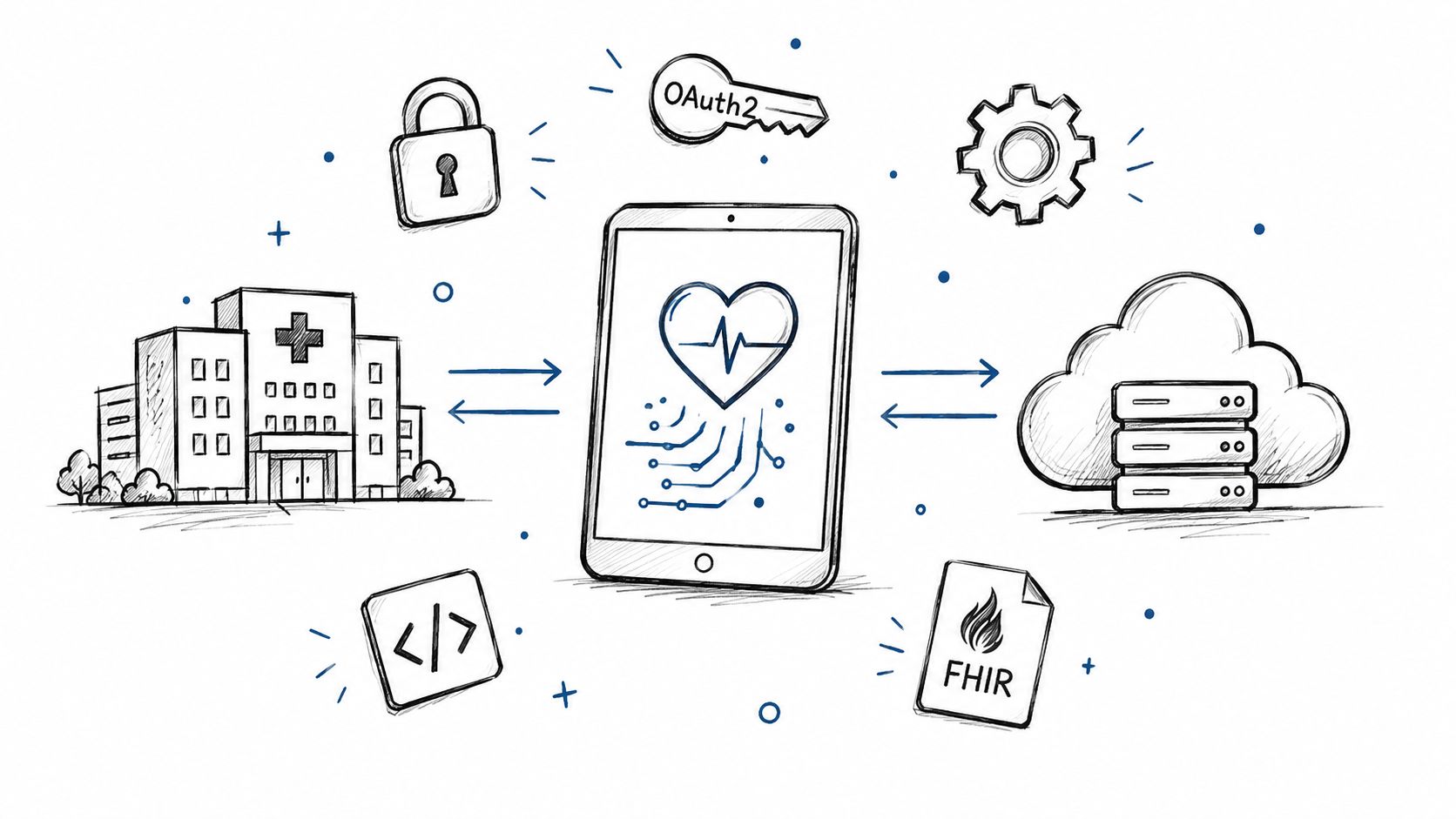
Smart on FHIR guide for healthtech engineers. Learn the OAuth 2.0 launch model, scope syntax, backend services, and US regulatory requirements.
Connect with our team to explore how AI expertise can transform your business.