AI in Healthcare
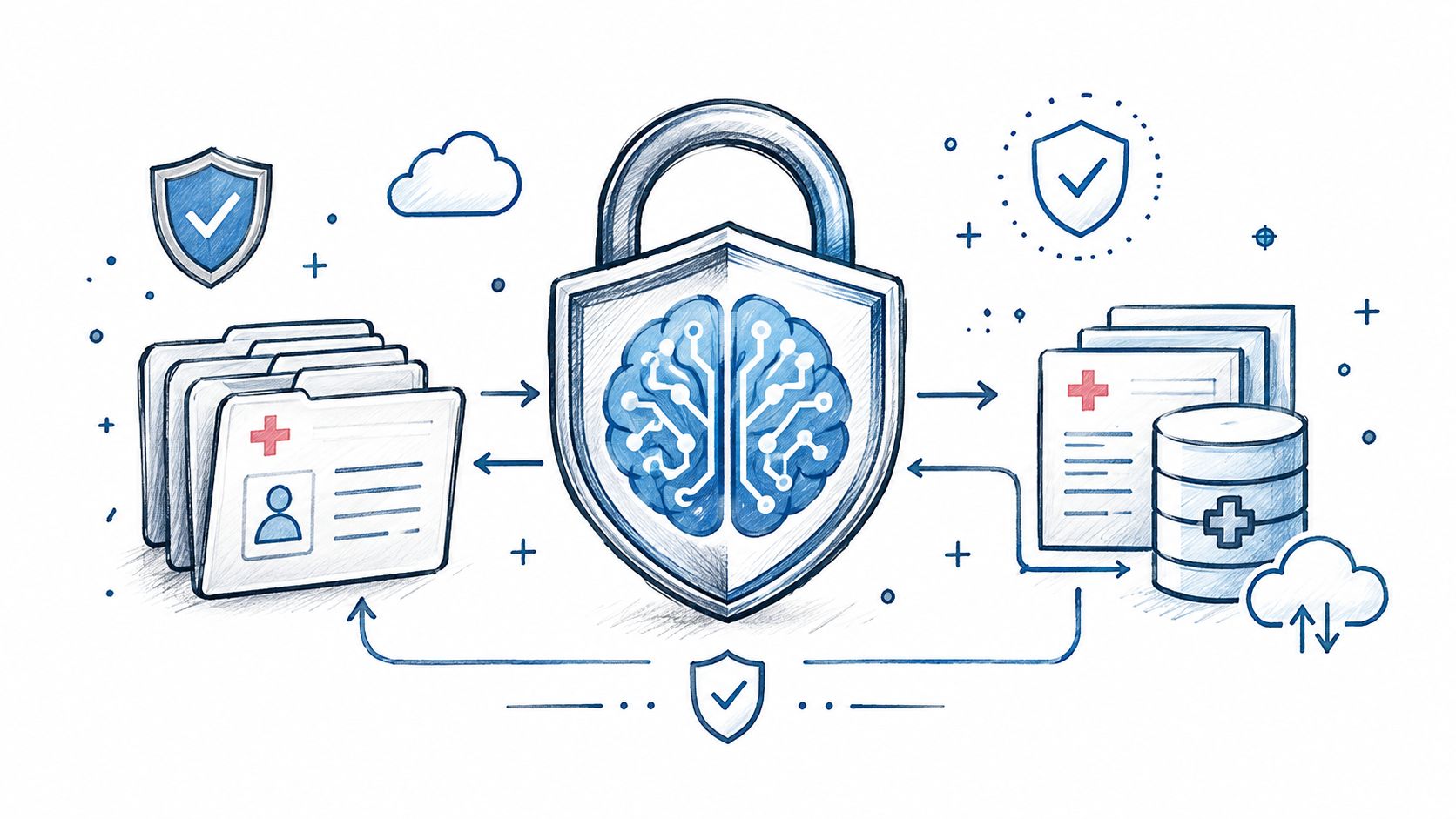
HIPAA-Compliant AI: How to Use LLMs With PHI Safely
How to build HIPAA-compliant AI: when LLM providers need a BAA, data minimization, de-identification, audit controls and a reference architecture.
October 16, 2026Read more
AI is transforming healthcare workforce optimization by improving staff scheduling, reducing workload, and enhancing operational efficiency. It helps organizations deliver better patient care while supporting healthcare professionals.
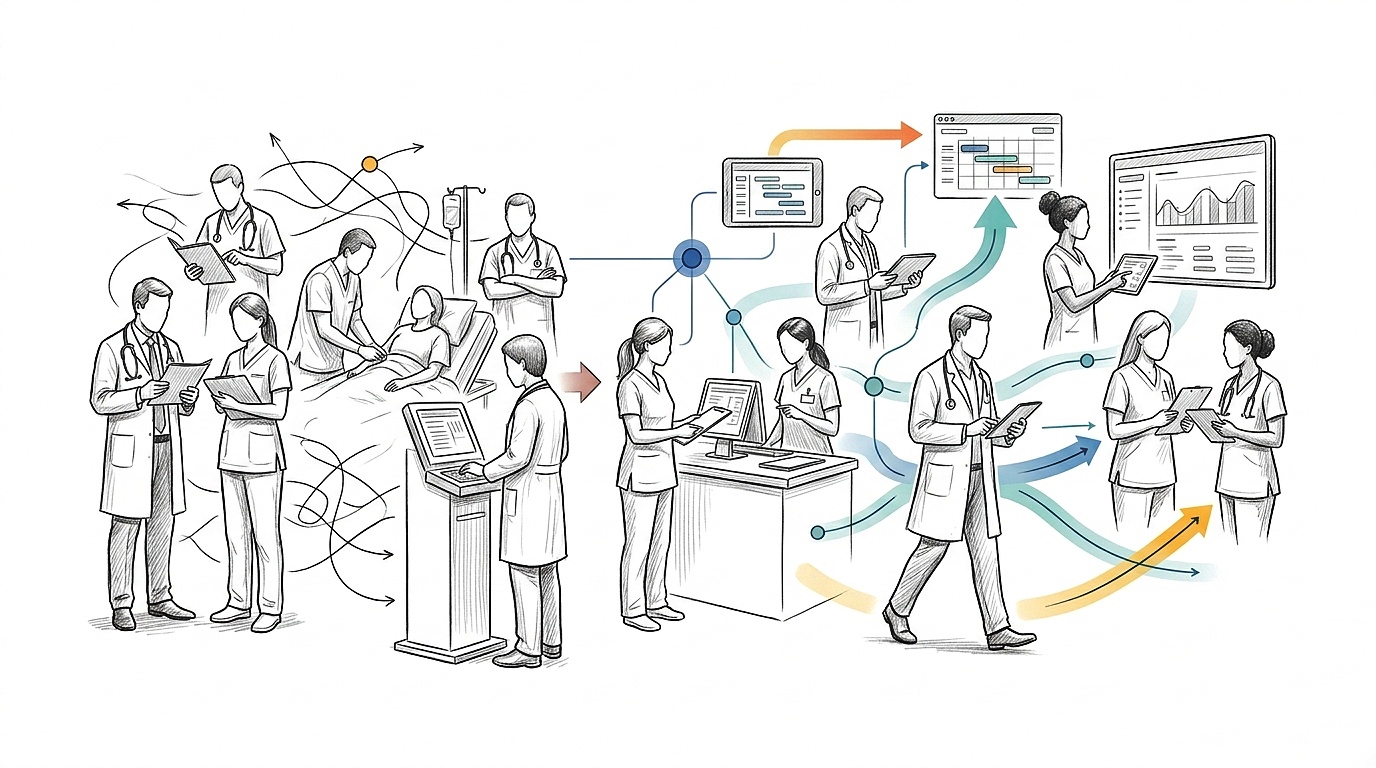
Hospitals and clinics often feel like they are running at full speed with fewer hands than they need. Staff shortages, rising patient demand, and increasing costs continually strain the system. Doctors and nurses push through long shifts, leaving them tired and less satisfied with their work. At the same time, administrative teams spend hours on manual scheduling, creating delays and inefficiencies across departments.
AI healthcare workforce management offers a clear, data-driven way to tackle these challenges. It brings structure to workforce planning, improves staff allocation, and creates a balanced environment where patients receive timely care and healthcare professionals can work with less strain.
AI healthcare workforce management means using intelligent systems to plan, manage, and improve how healthcare staff work. These systems analyze workforce data, identify patterns, and support decisions in real time. A healthtech engineering partner plays a key role in connecting technology with real hospital workflows. This connection helps improve how staffing decisions are made across departments. AI systems process large amounts of information, including patient numbers, staff availability, and past trends. From that analysis, they predict what staffing will be needed and create schedules that match real demand.
Healthcare AI services help build these intelligent systems by combining data science with clinical knowledge. This approach brings precision to workforce planning and takes guesswork out of daily operations. Moving from reactive planning to a proactive workforce strategy marks a significant shift. Hospitals gain the ability to plan, reduce disruptions, and maintain stability during busy periods.
Healthcare demand continues to rise due to population shifts and increased access to care. At the same time, staff availability stays limited, which creates gaps in care delivery. A custom AI strategy report offers insights into staffing patterns and highlights areas for improvement. That clarity helps leaders plan workforce distribution with more confidence. Manual scheduling often leads to uneven workloads. Some staff end up with long shifts, while others are underused. That imbalance affects morale and how well people perform.
SaMD solutions bring software into clinical environments where it plays a direct role in operational decisions. These tools improve coordination across departments and bring structure to workforce planning. Rising labor costs add another layer of complexity. Without proper planning, hospitals end up spending more on overtime and temporary staff, which weighs on financial performance.
AI-driven workforce optimization creates a structured and balanced environment across healthcare systems. It improves how staff, time, and resources are managed, which leads to smoother operations and improved care delivery.

AI-driven workforce optimization brings structure and balance to healthcare systems. It improves how staff, time, and resources are managed, leading to smoother operations and better care delivery.
Smarter workforce planning reduces unnecessary spending on overtime and temporary staff. Hospitals gain better control over labor costs through accurate forecasting and efficient use of resources.
Balanced scheduling creates better working conditions for healthcare staff. Fair shift distribution and manageable workloads build a healthier environment, which helps with retention and overall morale.
When staffing matches patient needs, care becomes more timely and effective. Patients receive attention without delays, and care teams operate with greater focus and coordination.
AI healthcare workforce management introduces several advanced features that help with planning and day-to-day execution across healthcare systems. AI implementation support plays an important role in putting these features into practice. It connects new systems with existing hospital processes to make the shift smoother. Many of these capabilities rely on AI automation services to streamline scheduling, staffing decisions, and workflow coordination.
AI analyzes past trends, seasonal patterns, and live patient data to predict future demand with more accuracy. This gives hospitals a clear sense of expected patient volumes in areas like emergency care, inpatient units, and outpatient services.
With this kind of insight, healthcare managers can plan staffing ahead of time and put resources where they are needed most. It cuts down on last-minute scheduling changes and creates a steadier environment where staff availability lines up with patient needs.
AI-driven scheduling systems build structured and balanced staff rosters based on factors like availability, work hours, skill levels, and workload. They take the complexity out of manual scheduling and bring consistency across shifts.
Automated scheduling also makes things more transparent and fair. Staff receive schedules that account for rest periods and workload limits. This reduces conflicts and improves coordination across departments.
AI assigns tasks and responsibilities based on the specific skills, certifications, and experience of each healthcare professional. This focused approach improves care by ensuring patients receive attention from the most qualified staff.
It also makes departments more efficient. Skilled professionals focus on work that matches their expertise, which reduces errors and supports better clinical outcomes. This organized method brings clarity to role assignments and supports better team performance.
Healthcare settings often deal with sudden shifts in patient demand. AI systems respond by adjusting staffing levels in real time. During peak times or unexpected surges, they spot gaps and suggest immediate changes.
This flexibility creates a workforce that can adapt without causing disruption. It keeps operations balanced across departments and supports steady care delivery, even under pressure.
AI use cases in healthcare workforce optimization go beyond scheduling and planning. They build a connected system that improves overall hospital operations. AI workflow automation helps with administrative tasks like appointment management and documentation. This reduces the workload on staff and improves daily operations. It also simplifies repetitive tasks, giving staff more time for clinical responsibilities.
Patient flow becomes more organized with AI. Admissions, discharges, and transfers follow a smoother process, reducing delays and improving the patient experience. Resource allocation improves as AI matches staff and equipment to demand. This makes better use of what is available. Administrative process automation covers areas like coding, billing, and prior authorization. These tasks are completed faster and more accurately, boosting overall efficiency.
Healthcare settings must follow strict regulations and workforce policies. AI systems bring clarity and consistency to these areas. Burnout detection becomes possible by monitoring work hours and workload patterns over time. Early signs of fatigue help managers step in and take action.
Credentialing and compliance tracking stay organized through automated systems. Staff qualifications, certifications, and regulatory requirements remain current. Proper staffing ratios improve patient safety. AI identifies gaps and guides staffing adjustments to maintain balance across departments.
Healthcare workforce management is moving forward with data-driven strategies and intelligent systems. AI brings a new level of precision to planning and execution. Future systems will lean more on predictive models to guide long-term workforce planning. Hospitals will gain deeper insight into demand patterns and how resources are used.
Integration with hospital systems will improve coordination across departments. Data will move more smoothly, supporting better decisions across operations. Workforce models will become adaptive. They will respond to real-time changes and keep things balanced during peak demand. Crisis response will improve through advanced planning. Healthcare systems will handle sudden surges in demand with greater stability and control. Healthcare systems will manage sudden demand surges with greater stability and control.
AI healthcare workforce management is changing how healthcare systems plan, manage, and support their teams. It addresses key challenges like staff shortages, burnout, and rising costs through data-driven strategies. It improves efficiency by matching staffing to demand. It reduces burnout with balanced workloads. It supports patient care by ensuring the right professionals are available when needed.
Healthcare organizations that take this approach gain clearer operations and more stable workforce planning. The move toward intelligent systems points to a lasting shift in healthcare management. AI healthcare workforce management will keep growing in importance as healthcare systems become more complex. Contact us to explore how intelligent workforce strategies can improve operations and build a more balanced healthcare environment.
AI healthcare workforce management uses intelligent systems to optimize staffing, scheduling, and resource allocation based on real-time data and demand.
Healthcare AI services enable predictive planning, support AI workflow automation, and enhance key AI use cases like scheduling and staff allocation.
A healthtech engineering partner helps integrate systems, align tools with workflows, and provide AI implementation support for effective workforce management.
They often use a custom AI strategy report to analyze staffing gaps and implement AI automation services for better planning and execution.
SaMD solutions, AI automation services, and AI workflow automation help streamline operations, improve efficiency, and support data-driven workforce decisions.
How to build HIPAA-compliant AI: when LLM providers need a BAA, data minimization, de-identification, audit controls and a reference architecture.
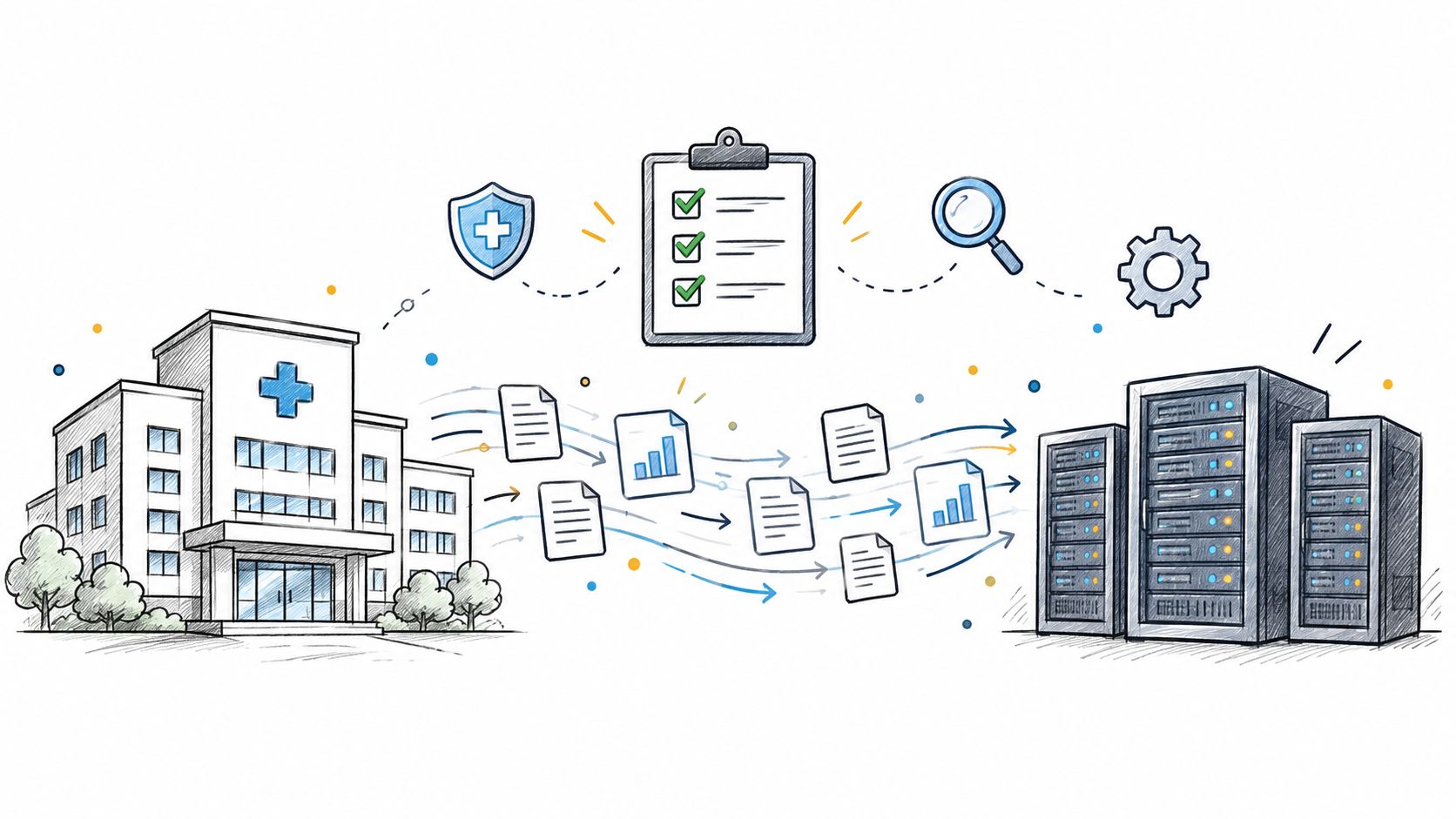
Practical data migration planning guide for healthcare teams. Scope, mapping, compliance, validation, cutover and rollback decisions explained end to end.
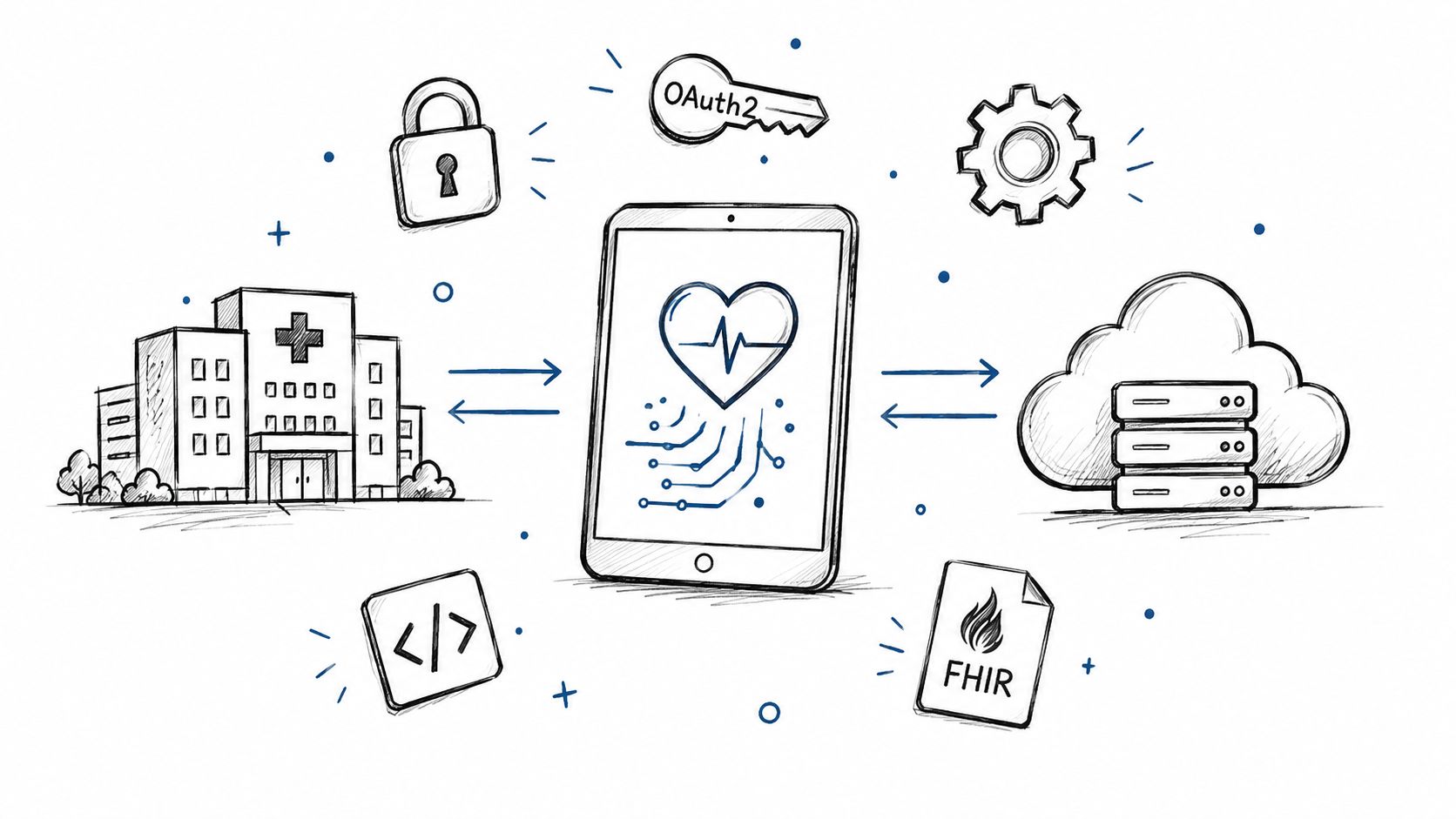
Smart on FHIR guide for healthtech engineers. Learn the OAuth 2.0 launch model, scope syntax, backend services, and US regulatory requirements.
Connect with our team to explore how AI expertise can transform your business.