AI in Healthcare
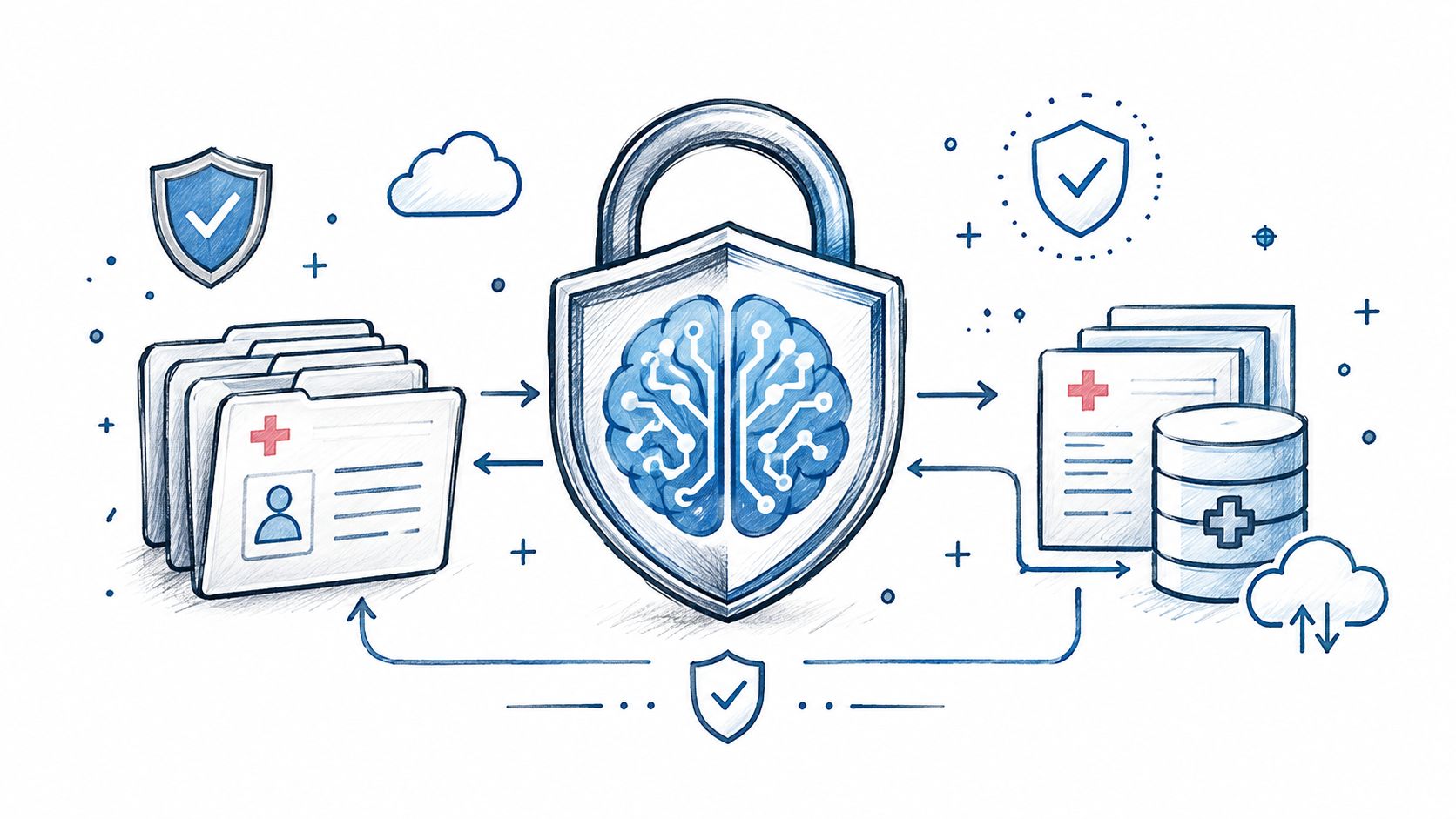
HIPAA-Compliant AI: How to Use LLMs With PHI Safely
How to build HIPAA-compliant AI: when LLM providers need a BAA, data minimization, de-identification, audit controls and a reference architecture.
October 16, 2026Read more
AI in healthcare can’t succeed without trust. This blog explores why transparency, collaboration, and clinical alignment matter more than technical performance alone.
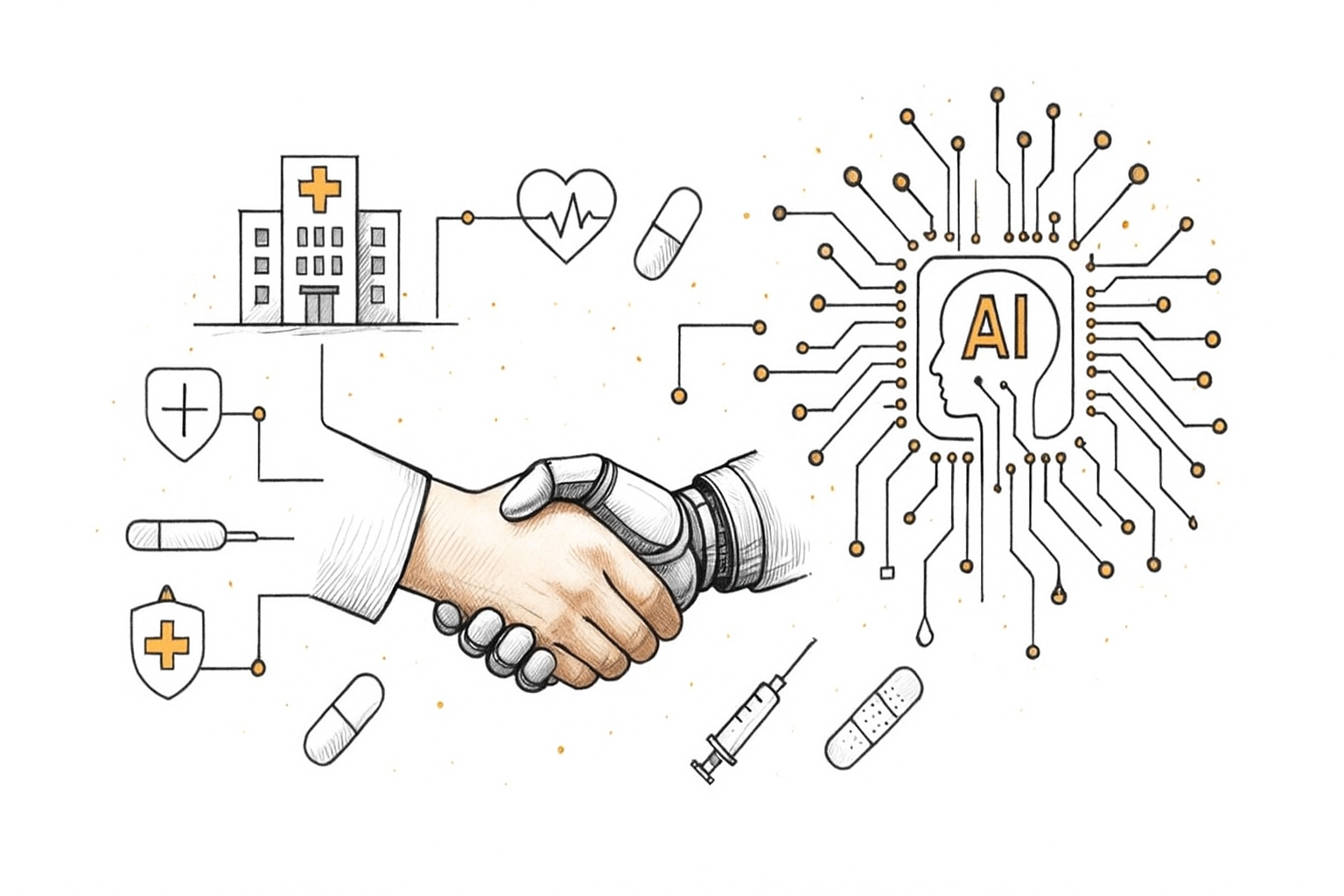
AI in healthcare continues to expand across diagnostics, hospital operations, population health, and medical research. Yet despite rising investment, adoption often stalls where it matters most: clinical environments.
The reason isn’t always technical. It’s human. Trust in AI, not just model performance, determines whether healthcare professionals will rely on new systems.
Healthcare systems are built around trust between patients and clinicians, regulators and institutions, humans and protocols. When artificial intelligence enters this landscape, it doesn’t inherit that trust. It has to earn it.
Consider AI-driven clinical decision support tools. Even when they demonstrate high accuracy in trials, clinicians often hesitate to follow their recommendations. A recent study shows that emergency room staff were more likely to override AI recommendations if the logic behind the outputs wasn’t clear, regardless of correctness.
This highlights a key principle: trust in AI systems must be designed, not assumed.
IBM’s Watson for Oncology remains a telling example. Designed to assist oncologists by surfacing treatment recommendations, the system struggled to gain clinical traction. One key reason: healthcare professionals couldn’t fully understand or validate how Watson arrived at certain suggestions. Some were even medically questionable.
Eventually, despite the technological ambition, Watson for Oncology was pulled back. The lesson is clear: without trust in AI, even sophisticated healthcare AI fails to deliver real-world value.
The foundation of trust lies in how well AI tools integrate with existing systems—technical, clinical, ethical, and cultural.
Here are the key dimensions:
Hospitals and healthtech companies that start their AI journey by addressing these factors early tend to avoid common pitfalls.
This is why we advocate for strategy-first thinking when planning AI in healthcare. Through structured tools like our AI strategy consulting platform, organizations can assess not only feasibility but also contextual trust risks before investing in development.
One proven approach to designing trustworthy AI systems is co-creation. This involves engaging end users like clinicians, nurses, administrators, not just as testers, but as active collaborators in shaping the solution.
Take early warning systems in hospitals. Predictive models that detect patient deterioration can be clinically useful. But unless they are designed with input from bedside staff, they often become background noise, just another alert in an already saturated environment.
When co-creation is prioritized, teams build systems that are not only clinically relevant but practically usable. This directly influences AI adoption in clinical settings.
Here's an example of AI co-creation where practical AI opportunities are discovered by collaborating with all stakeholders.
A Nature Medicine study on stroke outcome prediction found that while model accuracy was high, clinician trust increased only when the model’s reasoning was transparent. Users were allowed to adjust parameters and thresholds, and they could see how patient characteristics influenced risk scores.
This illustrates a broader truth: model explainability is not optional in healthcare. It’s a clinical and strategic requirement. Effective systems are those where trust in AI is built through transparency, not complexity.
If you're exploring opportunities for AI in healthcare, here’s a practical path to ensure trust isn’t an afterthought:
You can browse real-world AI use cases that align with this approach, from radiology triage to capacity planning and diagnostic support.
Enterprises building AI in healthcare must see trust in AI as a strategic asset. Without it, even the most accurate models won’t cross the clinical threshold. But with it, hospitals and healthtech companies can unlock meaningful adoption, patient safety, and long-term innovation readiness.
Explore how Ekipa.ai can support your healthcare AI roadmap, from strategy design to stakeholder engagement and implementation support. Because in healthcare, real transformation doesn’t start with code. It begins with trust.
How to build HIPAA-compliant AI: when LLM providers need a BAA, data minimization, de-identification, audit controls and a reference architecture.

Practical data migration planning guide for healthcare teams. Scope, mapping, compliance, validation, cutover and rollback decisions explained end to end.

Smart on FHIR guide for healthtech engineers. Learn the OAuth 2.0 launch model, scope syntax, backend services, and US regulatory requirements.
Connect with our team to explore how AI expertise can transform your business.