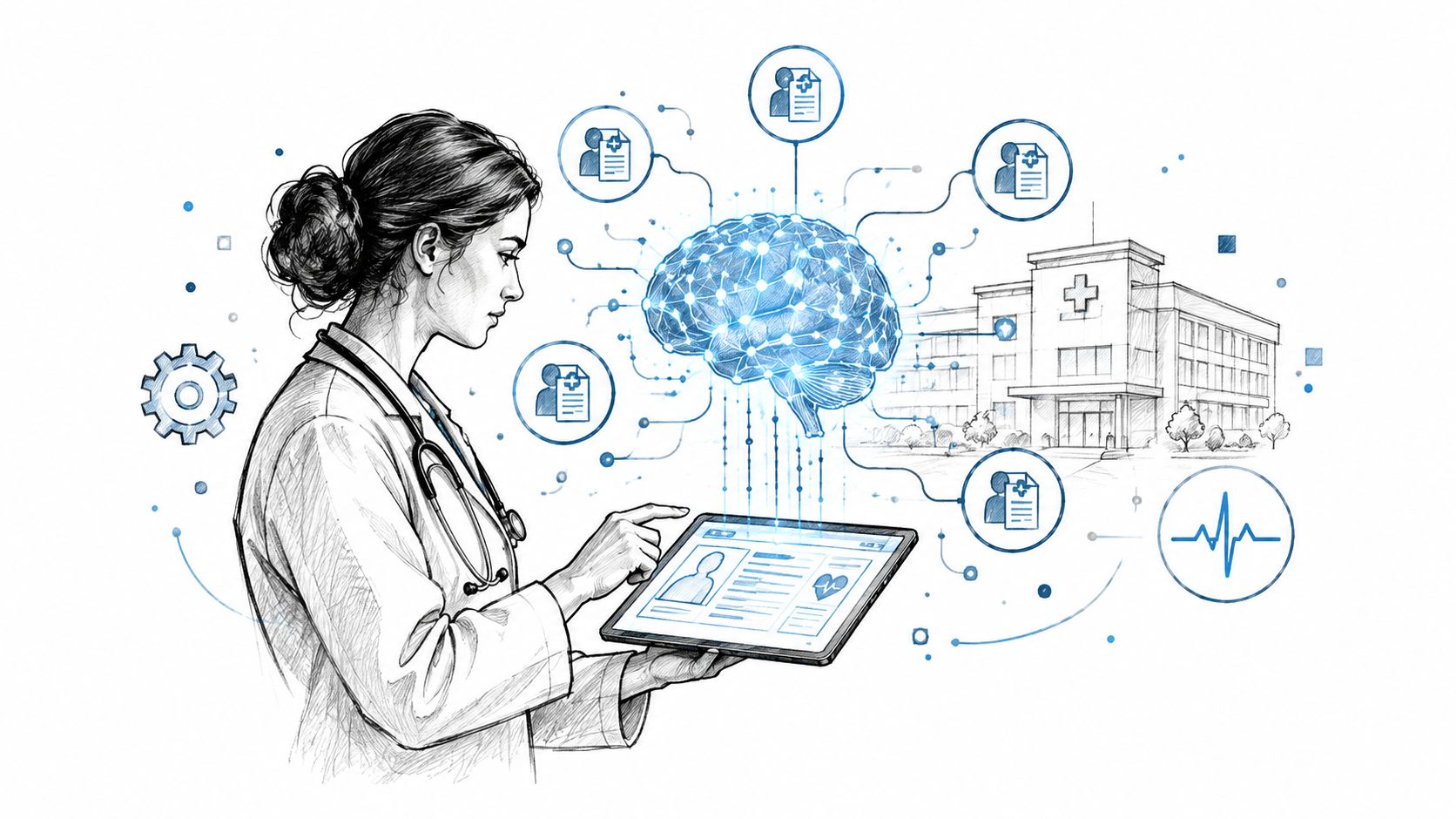
AI in Healthcare
AI Transformation Healthcare Industry Explained
Learn what AI transformation healthcare industry means, from EHR integration to governance, ROI, and adoption roadmap for healthtech leaders.
September 23, 2026Read more
Before investing in AI, companies need clarity. Learn how AI readiness assessments identify gaps, reduce risk, and prepare your organization for scalable AI adoption.
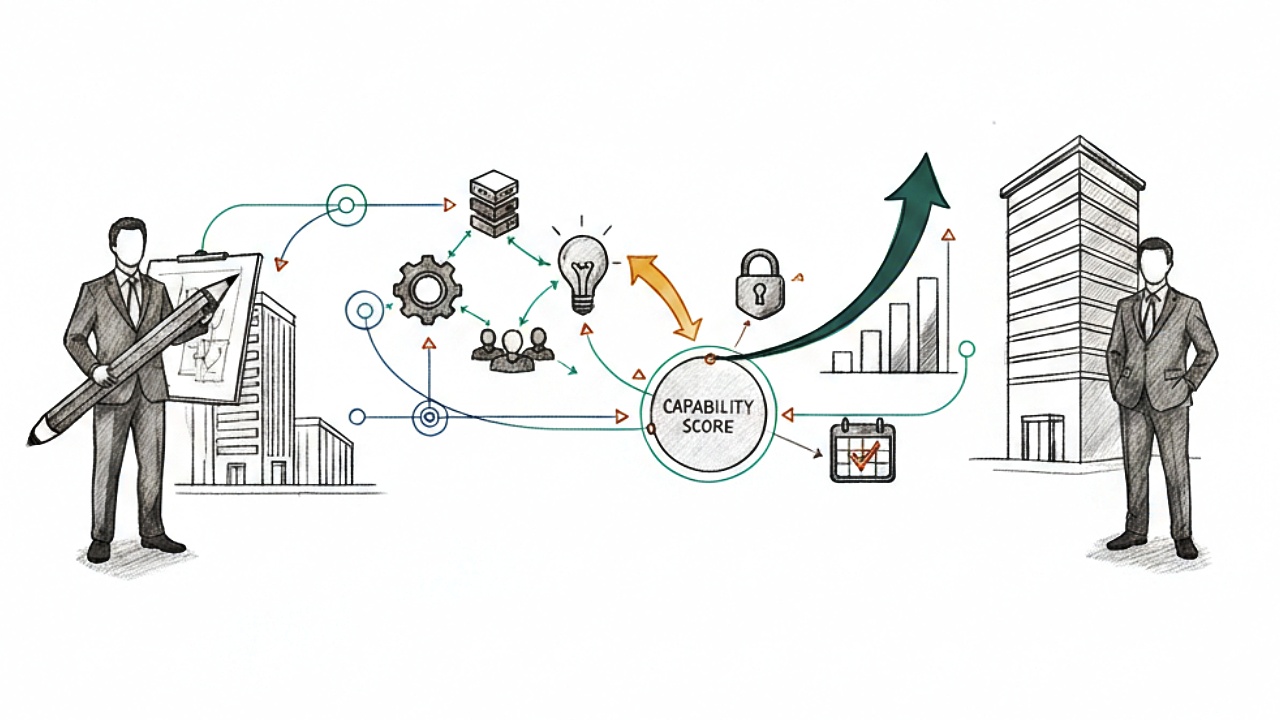
Many organizations aim to adopt smarter AI-powered systems, but the most common challenge is identifying where to begin. Before choosing any technology or designing automated processes, a company must first understand its strengths, weaknesses, and true capabilities. This is where an AI readiness assessment framework becomes helpful. It acts as a starting point that guides teams toward confident decision-making and long-term success.
A good assessment operates like an architect's review before a major renovation. Before any work starts, a professional evaluates the foundation, checks the wiring, and understands the occupants' needs. This upfront review creates a practical plan and prevents costly missteps. Similarly, an AI readiness assessment asks the necessary questions about your business landscape. It examines if data is accessible, whether teams have the required skills, and which specific problem the technology should address. This process transforms a broad ambition into a structured, actionable journey supported by the right AI solutions.
Companies often find themselves at levels of technology, data quality, and internal processes. Jumping into a project without understanding these layers can lead to confusion, delays, and unnecessary costs. A readiness assessment helps leaders get a clear view of what is already working and what needs more focus. It builds a foundation for steady, structured progress, not rushed experiments that may not deliver results.
Organisations often begin by reviewing their current data practices, tools, teams, and goals. This honest look at the present forms a solid base for planning the future. When experts provide AI strategy consulting, they lean heavily on this assessment. It lets them see the real starting point, so they can point you in the right direction for what comes next.
The core of any real change is picking the right AI use cases. This step is about companies having a clear conversation. They need to identify their main goals, what their customers really need, and the daily operational problems they face. Doing this work first helps everyone focus on what truly matters. It keeps the team from getting distracted by the latest trends that might not align with their actual business plan.
The quality of your data decides how well your AI will perform. In this step, organisations take a close look at how their data is stored, collected, and processed. This honest review shows them how close they are to using an AI maturity model to track their growth. It also helps teams appreciate the importance of making small, steady improvements over time.

Real transformation needs people. Leaders look at whether their teams are prepared for new tools, the necessary training, and updated ways of working. If they see a gap, they might consider bringing in an AI implementation partner. This kind of partner can help them move forward with greater confidence.
Every organisation runs on its own unique set of processes and daily routines. Before making any new plans, it is smart to review these current workflows. This helps leaders identify where automation can genuinely support their teams. Taking this step early on reduces confusion later. It helps identify tasks that can be improved without disrupting broader operations. By examining daily operations closely, companies gain a clear view of what is ready for change and what requires additional preparation.
Security is always a priority with new technology. Companies manage sensitive information, including customer data and confidential documents. During the assessment, leaders examine whether their current systems are secure enough to handle future automation. This involves checking access controls, reviewing how data is stored, and looking at monitoring practices. A thorough review here helps organisations stay safe and avoid problems with data leaks as they grow.
After the internal review is finished, the next step is to spot the gaps. These may include missing tools, inconsistent data formats, or insufficient guidance. Not every gap requires immediate correction. Teams sort them by the level of impact on the business. This focus helps them avoid spending time on tasks that do not contribute to progress. It also sets the stage for more realistic project timelines, which later becomes helpful when creating a custom AI strategy report.
Some organisations like to measure their current position using a scoring system. This score reflects their capabilities across data, team skills, tools, and workflows. Having a score makes it simple to track growth over time. When companies reassess after several months, they can identify which areas have progressed and which still require attention. This clear view allows leaders to make informed decisions for subsequent projects.
At this point, leaders select several key actions that will demonstrate early progress. These might include cleaning up data, updating specific tools, or running focused training sessions for their teams. These actions do not require a large budget, yet they establish a foundation for future expansion. Starting small also helps a company build confidence and feel more comfortable with adopting new systems.
Every successful change requires support from various groups, including technical, financial, and operations teams. During the assessment, organizations engage with these key stakeholders to discuss goals. Clear communication prevents misunderstandings and gets everyone on the same page. When teams understand the reason behind a new project, they are more likely to get involved and help, especially when they see how it connects to the AI readiness assessment framework.
Preparing for future growth carries equal weight to solving current problems. Companies check whether their current systems can support larger goals in the years ahead. This means checking how flexible their tools are and if they can add new solutions without major delays. Thinking ahead helps organisations avoid common roadblocks and makes the whole transformation process run more smoothly.
People are still the most important part of any change. To help them adjust, organizations often develop simple, clear learning materials. Trusted online sources, including clear AI tutorials, help them get to grips with new concepts comfortably. This makes the whole shift feel easier and keeps progress steady across different departments.
Once the assessment is done, companies have a clear view of their position. This clarity enables purposeful AI decision-making. Leaders can now select the right tools, set the budget, assign teams, and define timelines with greater confidence. With everything in order, moving from planning to action feels more straightforward and predictable.
With the right foundation, organisations move from planning to building. They start by choosing practical solutions rather than jumping into complex experiments. At this stage, teams often use trusted resources, such as clear machine learning guides. These materials help teams understand how algorithms can support business objectives. Such learning bridges the gap between planning and action.
Once the base is ready, companies can confidently move to the next phase of the AI readiness assessment framework, where they review their progress and prepare for larger AI-powered projects. This step-by-step approach maintains steady transformation and reduces risk.
A readiness assessment is more than a checklist. It is a clear road that connects what you have today with where you want to be tomorrow. It gives leaders the confidence to choose the right tools, find the right partners, and follow the right strategy. For any organization ready to start an AI journey with smoothness and security, this initial step is critical. If you would like to understand how this approach applies to your business, contact us for guidance and support.
An AI readiness assessment framework is a structured approach that evaluates your data, tools, teams, and processes before adopting AI solutions. It helps organizations understand their current capabilities and prepare for successful transformation.
An AI readiness assessment reduces risks by identifying gaps in data, skills, and infrastructure. It ensures your AI solutions align with business goals and supports a well-defined AI adoption roadmap.
AI strategy consulting uses insights from the AI readiness assessment and AI maturity model to define practical AI use cases. It helps create a custom AI strategy report that outlines priorities, timelines, and measurable goals.
If internal teams lack technical expertise or experience, partnering with an AI implementation partner can accelerate progress. They help execute AI solutions efficiently while aligning with your long-term AI adoption roadmap.
A custom AI strategy report typically includes prioritized AI use cases, gap analysis, capability scoring based on an AI maturity model, and a step-by-step AI adoption roadmap to guide future investments.
Learn what AI transformation healthcare industry means, from EHR integration to governance, ROI, and adoption roadmap for healthtech leaders.
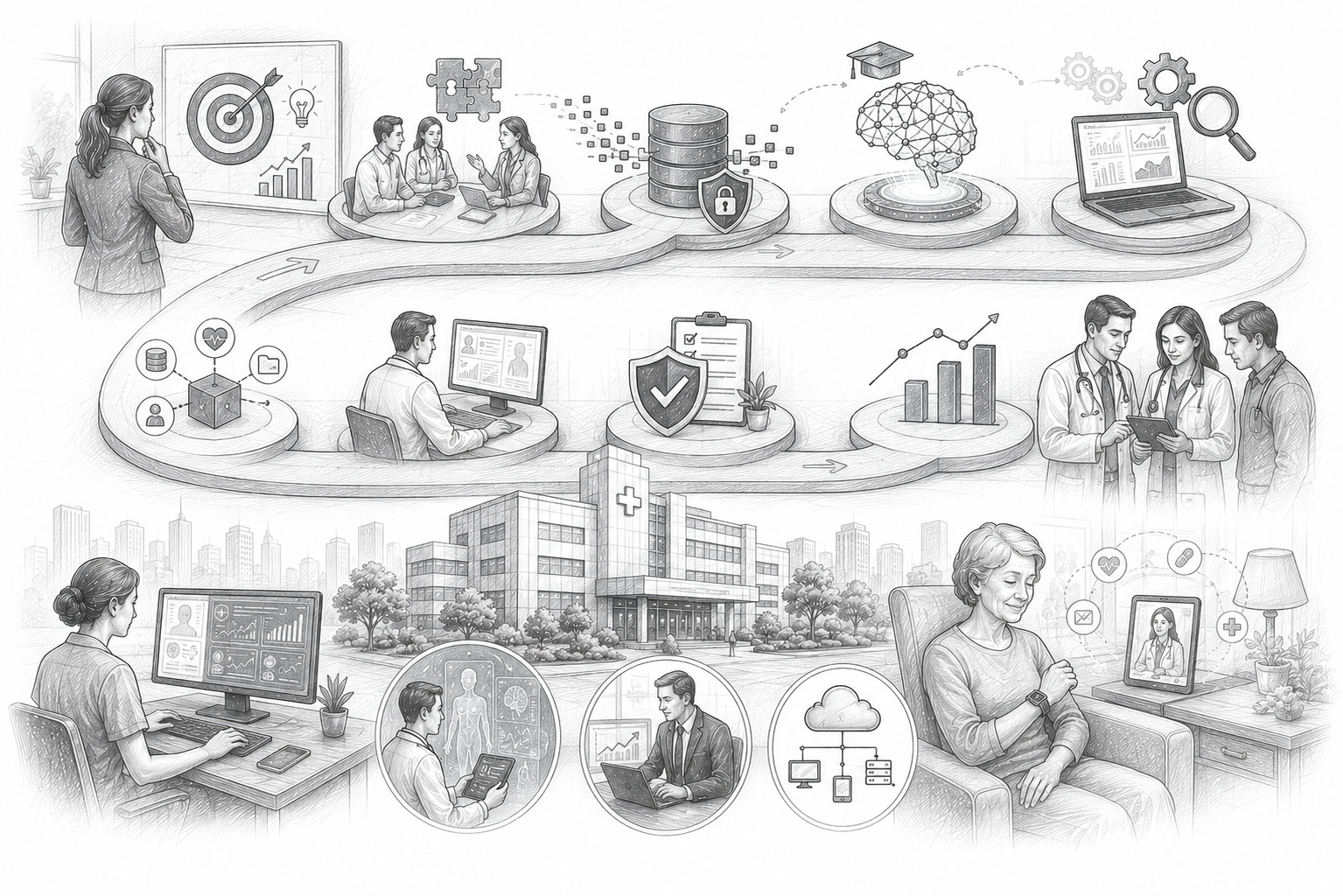
Healthcare AI implementation requires a clear roadmap to align strategy, integrate systems, manage risks, and achieve successful AI adoption at scale.

Explore skilled nursing facility software in 2026. Covers core modules, compliance, KPIs, vendor evaluation, & AI integration for executives.
Connect with our team to explore how AI expertise can transform your business.