
AI in Healthcare
Smart on FHIR: What It Is and How It Works in Practice
Smart on FHIR guide for healthtech engineers. Learn the OAuth 2.0 launch model, scope syntax, backend services, and US regulatory requirements.
October 14, 2026Read more
AI ambition is high in large enterprises, but adoption is difficult. Discover how clear planning, the right partners, and structured execution drive successful AI adoption.
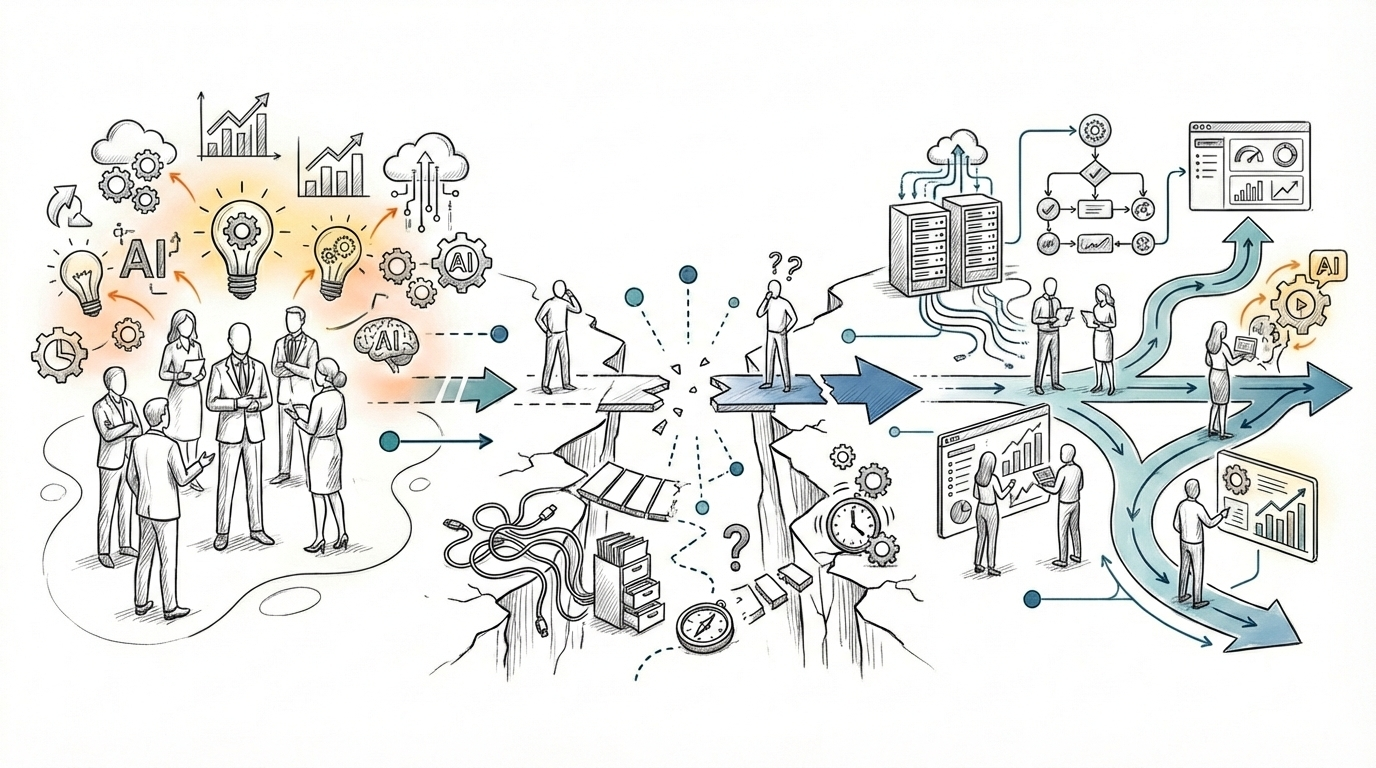
Large companies are discussing the use of AI to transform their operations. Leaders set exciting goals, teams brainstorm new possibilities, and everyone expects quick results. But when it is time to put these plans into action, many companies struggle to move beyond early experiments. The space between a company's AI aspirations and its real-world accomplishments can seem vast. Learning how to close that space is where true success starts.
The Growing Interest in Enterprise AI
Recently, many companies have shown great interest in artificial intelligence. They see its potential to help their business, including daily operations, customer support, supply chains, and major decisions. It is common for a team to start with a small trial project to see how AI works. Many leaders also connect AI adoption with broader enterprise automation, anticipating faster workflows, less manual work, and more consistent results across teams. The reality is that most teams encounter a few common AI adoption challenges along the way, which can hinder their progress long before they achieve the results they hoped for.
This occurs because large companies operate complex systems, manage numerous teams, and have slow decision-making processes. Even when the goal is ambitious, the journey to using AI can feel slow and unclear. This is where a clear plan, the right support, and a practical approach create a path forward.
Why Enterprises Struggle to Make AI Work
The problems companies face appear in a few key areas. Some struggle with their data, while others lack the correct skills or proper internal processes. Often, leaders are not certain about the first step, and their teams are not working toward the same goals. These AI adoption challenges create a noticeable pause between forming a plan and taking real action.
Many companies purchase advanced AI Solutions, but a problem often follows. Teams can struggle to connect this new technology with their existing systems. They may also struggle to measure a clear return on their investment. Without a strong foundation, even the most powerful tools will not deliver lasting results.
Building a Practical AI Vision
A company's AI goals feel more achievable with the right support. Many organizations turn to AI strategy consulting for this very reason. These experts help leaders understand what is possible, what it will take, and what pitfalls to avoid. This clear understanding shifts the team's focus from discussing ideas to taking concrete steps forward.
At this stage, a useful first step is to look at common AI use cases. When a team sees where AI can add value, such as with automation or customer service, their choices become clearer. These real-world examples also help everyone agree on what to expect and how long it might take.
The Role of Reliable Partnerships

Large companies do not usually build everything themselves. They often work with an AI implementation partner to guide the technical parts of their project. This partnership supports businesses through initial challenges and provides new tools, proven methods, and knowledge from other industries.
Some companies take an extra step by requesting a custom AI strategy report. This document clearly lists their goals, timelines, and what they need to succeed. It serves as a shared guide, so every team understands the plan and moves forward together.
Measuring Where the Enterprise Stands Today
Before a company begins a major AI project, it must first understand its current position. Many use an AI maturity model to understand their overall position. This helps them identify their strengths, recognize areas for improvement, and understand which parts require the most attention.
Businesses also use an AI readiness assessment to evaluate whether their data, technology, and staff are prepared for the change. This important step provides clarity and helps avoid potential problems down the road.
Creating a Roadmap That Actually Works
A clear AI adoption roadmap shows a company what to do next. It lists the most important tasks, sets realistic timelines, and includes training needs. A good roadmap turns complex ideas into simple steps, which helps teams stay on track.
The most important change involves people and their daily routines. When teams learn new skills, adopt new tools, and gain confidence in the technology, AI becomes a natural part of the job. This progress reduces common AI adoption challenges, letting the company achieve real, lasting benefits.
Conclusion
Bridging the gap between AI ambition and real-world adoption requires clarity, teamwork, and the right support. When enterprises take steady steps , evaluating their current state, choosing the right partners, and building a clear roadmap, AI becomes easier to scale and sustain. If your company is ready to move forward, contact us to turn ambition into real AI success with a clear strategy.
Smart on FHIR guide for healthtech engineers. Learn the OAuth 2.0 launch model, scope syntax, backend services, and US regulatory requirements.
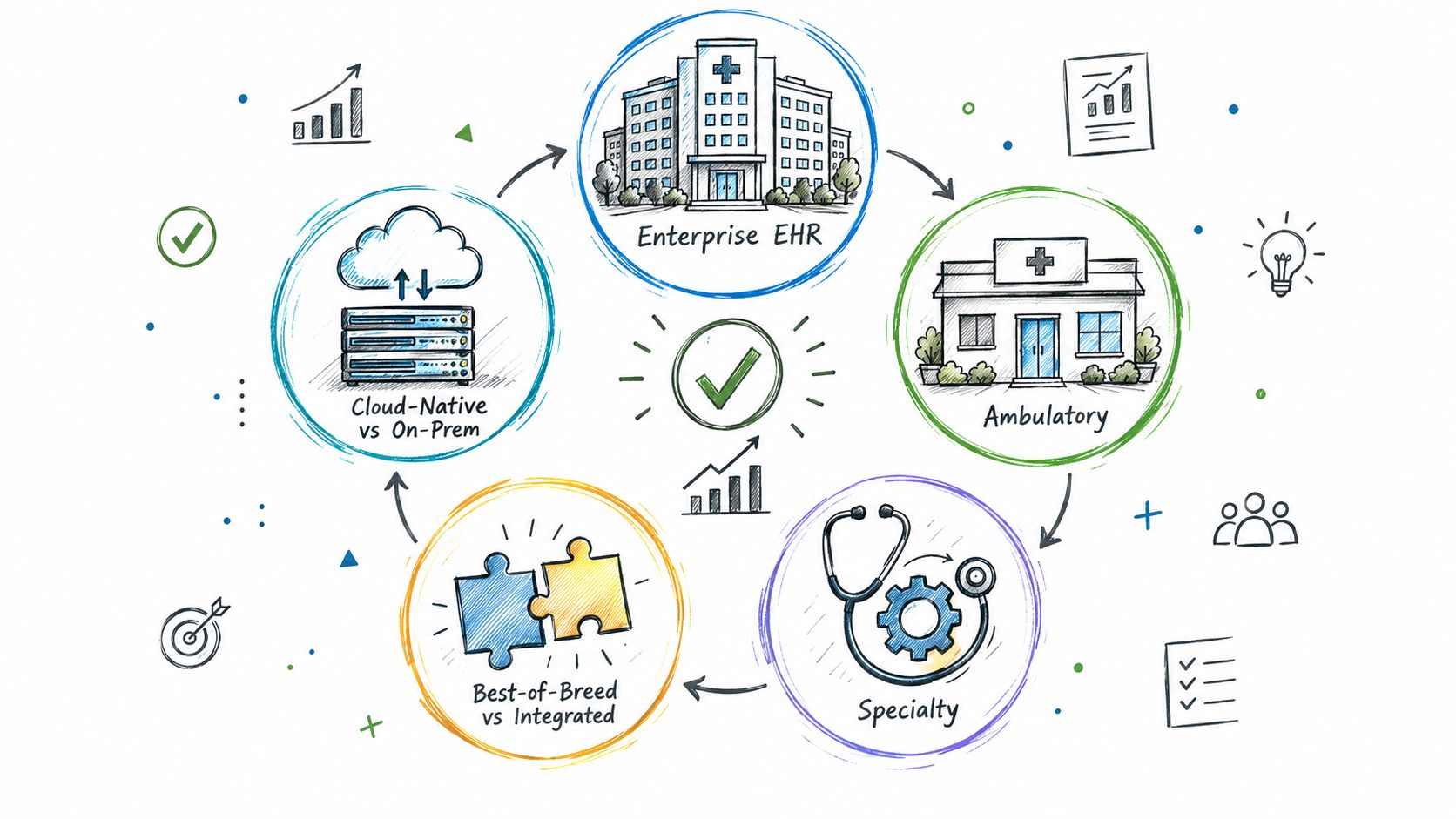
Explore the types of EHR systems by deployment model, care setting and scope. Compare integration options, trade-offs and selection tips for healthtech teams.
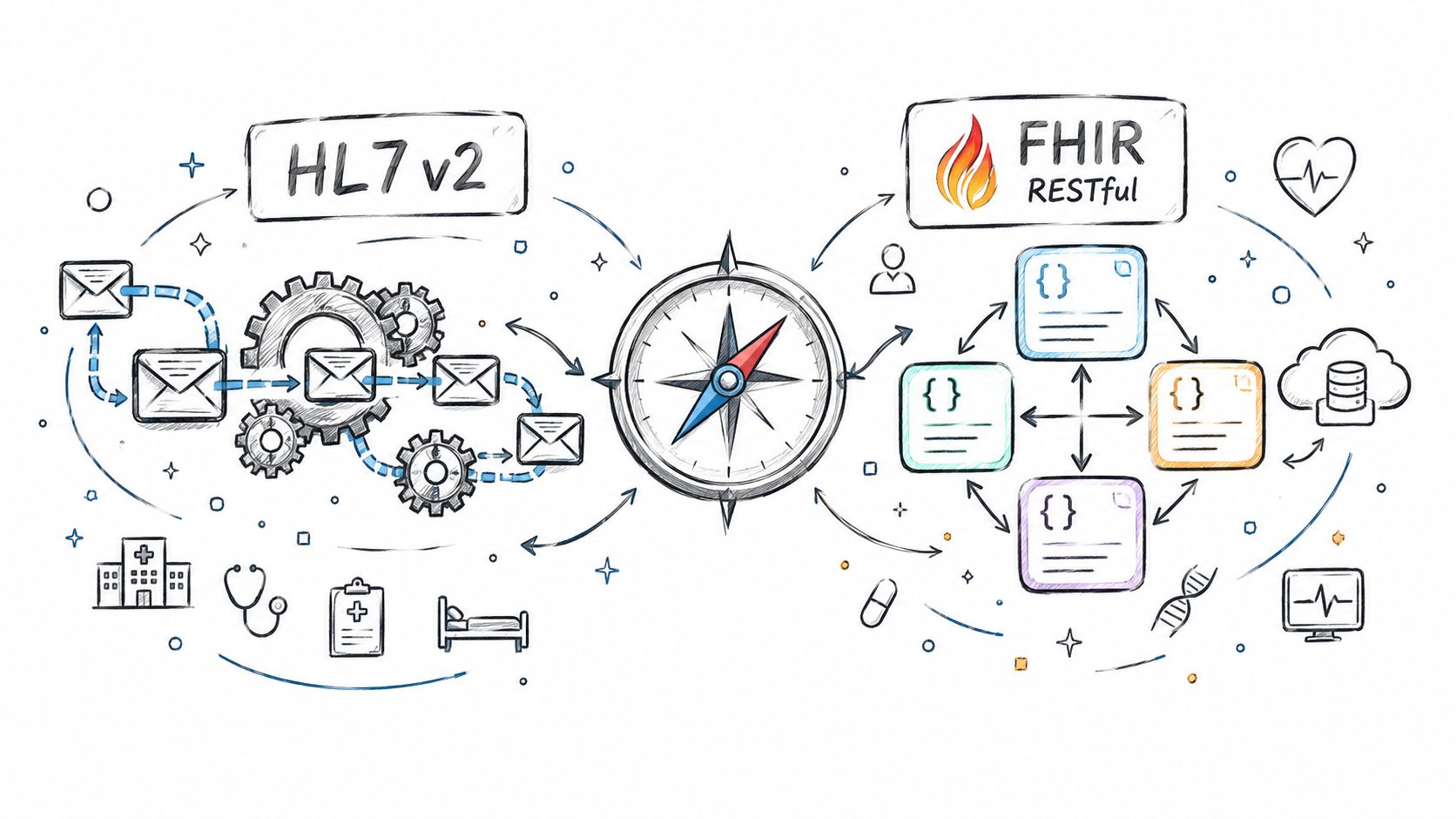
Compare Fhir vs. hl7 standards for healthtech integration. See how HL7 v2 and FHIR differ in use, mechanics, regulation, and real-world architecture.
Connect with our team to explore how AI expertise can transform your business.