
AI in Healthcare
Smart on FHIR: What It Is and How It Works in Practice
Smart on FHIR guide for healthtech engineers. Learn the OAuth 2.0 launch model, scope syntax, backend services, and US regulatory requirements.
October 14, 2026Read more
Fine-tuning or RAG? Discover which LLM approach best suits your enterprise goals and drives real-world results.
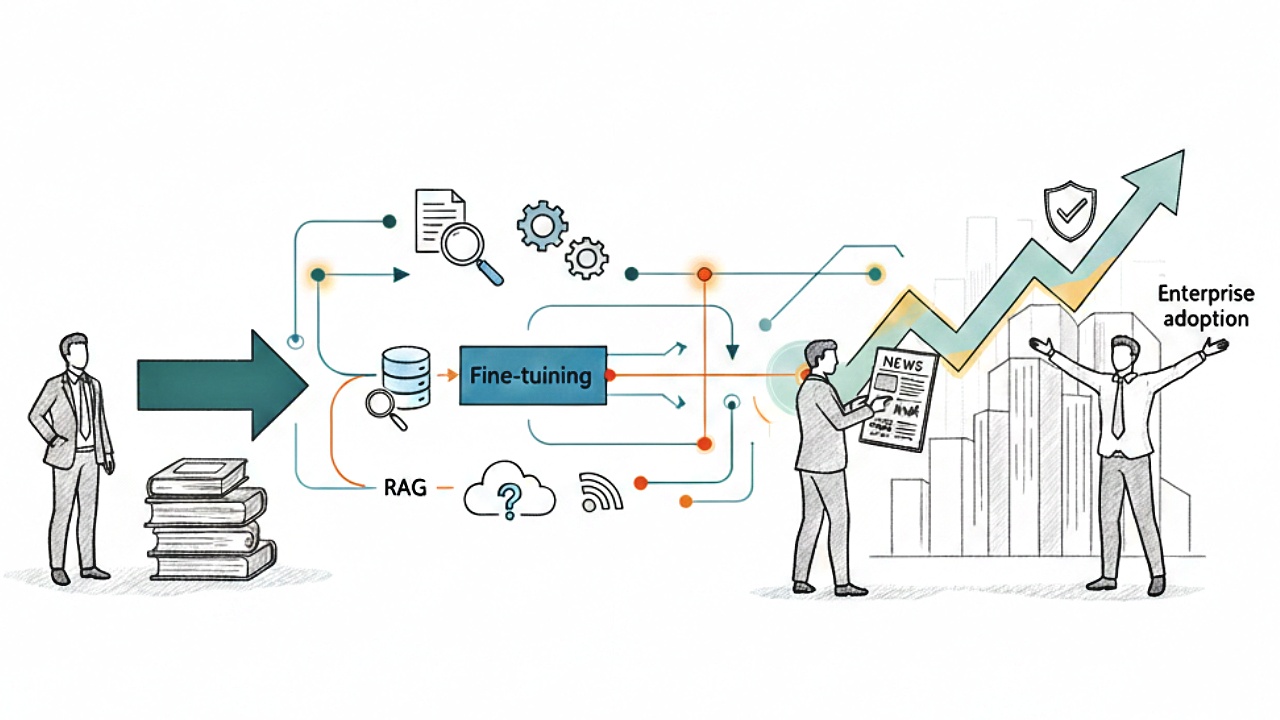
Large language models are now part of business planning. Leaders want to use them with a clear and effective approach. Two main paths exist for tailoring these powerful systems to actual tasks. The discussion of fine-tuning vs RAG is common, and the choice will affect project results, allocated budgets, and future organizational plans. This guide explains how each method works, compares them through practical business scenarios, and offers a clear framework for making an informed choice. Understanding which approach to choose begins with recognizing how each method aligns with distinct objectives and different types of company information.
While exploring these methods, companies also seek strong AI solutions that align with their goals and support their teams. With proper guidance, large language models can integrate into daily work, support decision-making, and deliver clear results.
Fine-tuning adapts a general language model to understand your business's specific language and knowledge. This helps the model learn your specific terms and the way your business operates. The goal is to make its answers fit better with your organization's needs.
Many companies choose this path when they need the model to handle a specific task, or when the information it requires stays relatively stable. The real benefit of fine-tuning is that it produces consistent results over time. For businesses with repetitive tasks such as drafting standard customer service replies, preparing compliance documents, or categorizing products, this method builds a deep, dependable understanding of the work into the model.
RAG works on a different principle. It does not teach the model new information. Instead, it enables the model to retrieve relevant content from a connected database or document set each time a question is asked. This means the model can access the most recent information, which is effective for situations where facts and data are regularly updated.
This approach offers great flexibility. The model answers using the latest documents you provide, not just what it learned in the past. RAG enables real-time updates while eliminating the need for frequent, large-scale retraining. It is a practical choice for businesses that need to adapt quickly, particularly for teams conducting an AI readiness assessment to understand their evolving information landscape.

The decision between fine-tuning and RAG often comes down to your data and your goals. Fine-tuning excels when your core knowledge is settled, and you need a model with a deep, specialized understanding of your field. Industries such as legal, healthcare, and finance often find value here, where tasks follow consistent rules and patterns.
RAG is usually the better fit when your information changes often and you need answers that reflect the latest updates. It works well for teams that add to their document libraries regularly and require precision based on current material. A custom AI strategy report can map out where each method fits and how they might support each other.
For handling sensitive data or important questions, a combined approach is possible. This combined method can deliver the specialized knowledge of fine-tuning while maintaining the current accuracy of RAG.
The right choice depends on what your organization requires and how your data is structured and updated. If you need the model to learn your business well and speak in your brand's tone, fine-tuning is a good path. If your primary goal is precise answers from frequently updated information, RAG will deliver results faster with simpler maintenance.
If your primary goal is precise answers from frequently updated information, RAG will deliver results faster with simpler maintenance. A clear AI adoption strategy defines where to begin and how to scale. It also provides clarity on budget, timing, and the skills your team has. Along with good advice from AI strategy consulting, this plan helps you choose a single method or blend the two to suit your situation.
Many companies also seek a capable AI implementation partner. This partner can assess your data, contribute to system design, and establish appropriate workflows. As these models become more widespread, teams also require well-defined AI use cases aligned with their business objectives. During this work, learning core concepts, such as machine learning fundamentals, can help the whole team gain a better understanding of the technology.
Fine-tuning a good match when your business needs tasks done the same way every time. It works well for jobs such as product recommendations, compliance checks, specialized writing, and brand communications. If your team has a clear and stable dataset, fine-tuning delivers strong, lasting results.
RAG is the right choice when teams work with information that changes regularly. This includes internal policies, price lists, product updates, and support documents. RAG connects the model directly to this content, allowing it to give answers based on the most current data. It also avoids the need for constant retraining, a practical benefit for large, fast-paced companies. This topic often comes up when teams discuss flexibility, weighing the options of fine-tuning and RAG.
Some organizations do best with a mix of both methods. Fine-tuning addresses tasks that require deep understanding, while RAG handles information that changes often. Many large companies adopt this combined approach to handle varied tasks without creating multiple separate systems.
The choice between fine-tuning vs RAG depends on your organization's operations, the nature of your data, and your business objectives. Each method supports a different part of growth and can be used alone or in combination.
As more businesses adopt large language models, having clear guidance, a solid plan, and the right partners makes the journey smoother. For assistance in selecting the right method for your team, contact us for support.
Fine-tuning adapts a model to your business’s specific knowledge, while RAG retrieves the latest information from connected databases. Each supports different AI use cases.
AI strategy consulting helps enterprises choose the right method, set up effective workflows, and match AI solutions with business goals.
Fine-tuning is well-suited for stable tasks like compliance checks, product recommendations, or specialized writing, where consistency matters most.
RAG is ideal for dynamic information, such as price lists, policies, or support documents, as it provides up-to-date answers without retraining.
An AI implementation partner and a custom AI strategy report help map AI use cases, plan integration, and create an AI adoption roadmap for smooth deployment.
Smart on FHIR guide for healthtech engineers. Learn the OAuth 2.0 launch model, scope syntax, backend services, and US regulatory requirements.
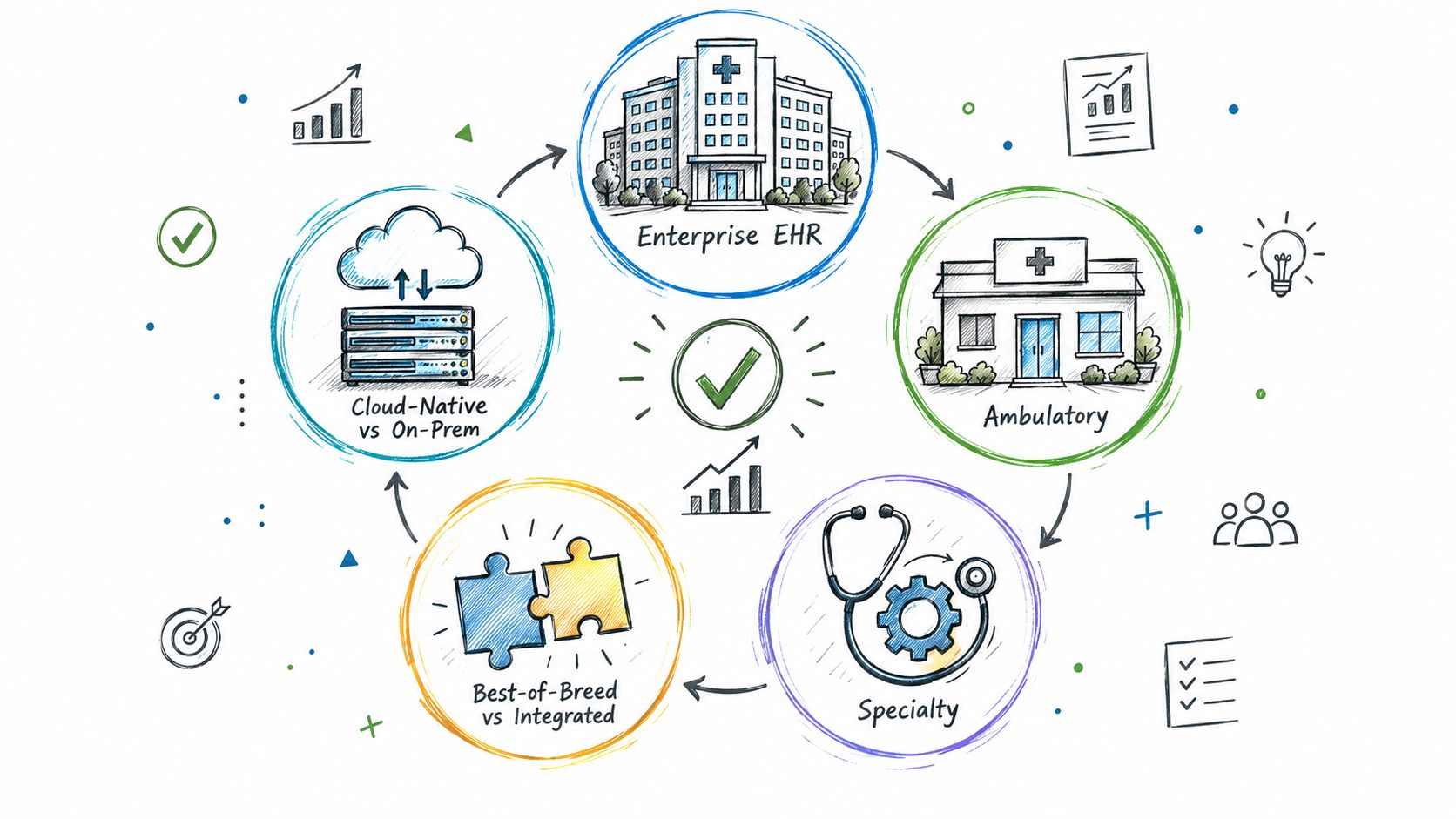
Explore the types of EHR systems by deployment model, care setting and scope. Compare integration options, trade-offs and selection tips for healthtech teams.
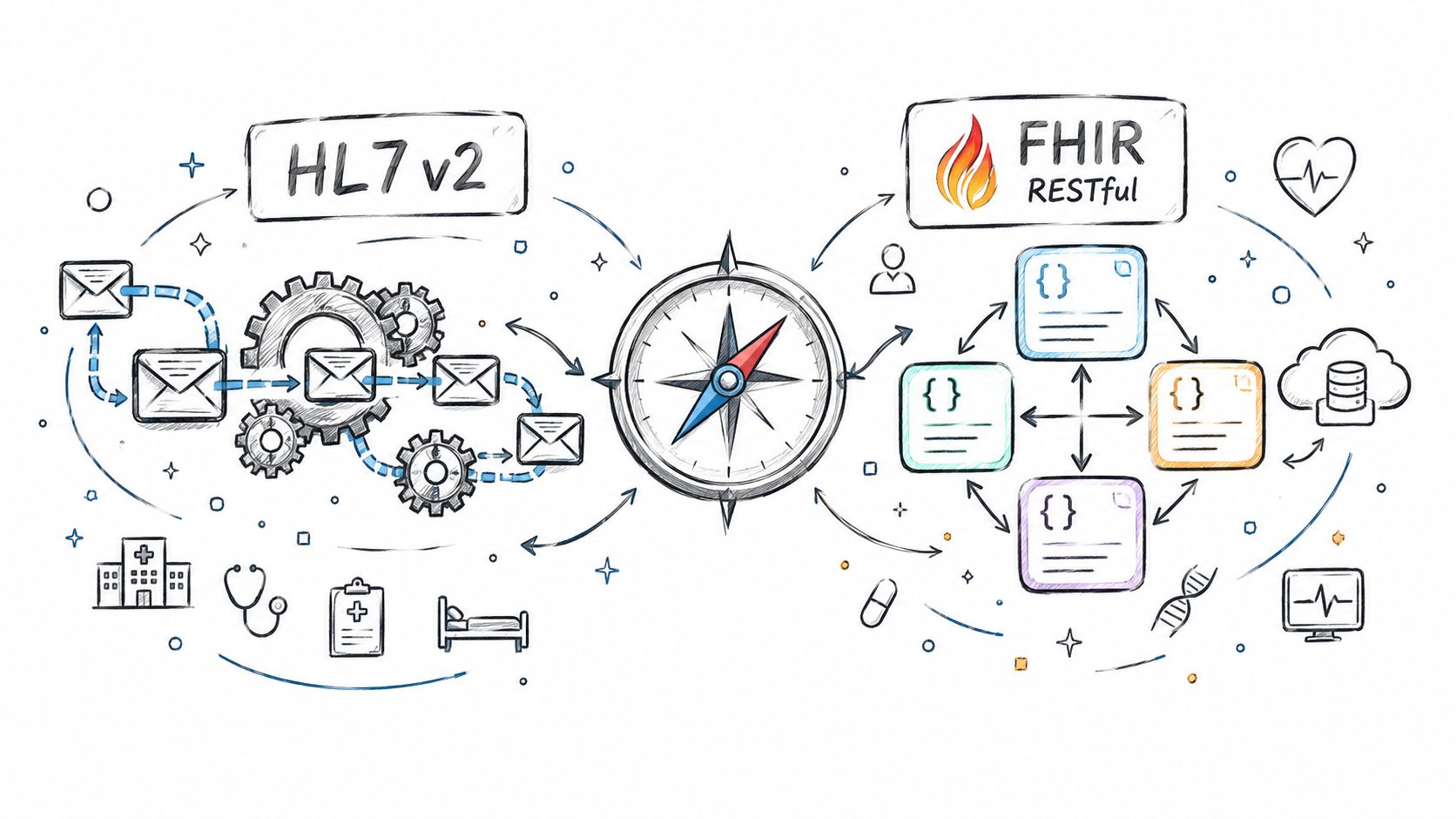
Compare Fhir vs. hl7 standards for healthtech integration. See how HL7 v2 and FHIR differ in use, mechanics, regulation, and real-world architecture.
Connect with our team to explore how AI expertise can transform your business.