AI in Healthcare
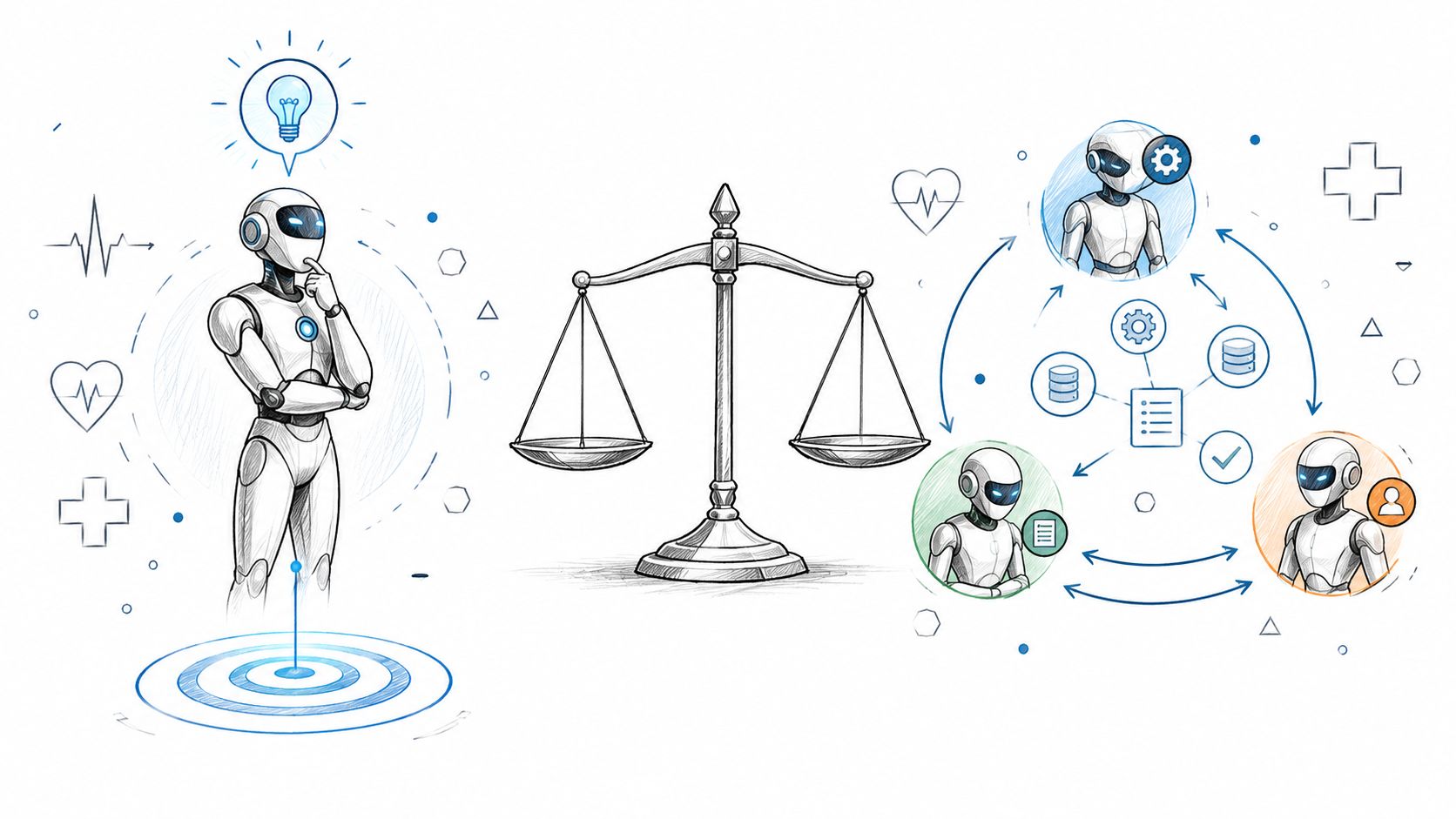
AI Agent vs Agentic AI: Understanding the Difference
Clarify the distinction between ai agent vs agentic ai and learn practical implications for healthcare design, governance, and real-world deployment.
October 01, 2026Read more
AI-powered virtual health assistants are transforming patient care by providing personalized support, answering queries, and assisting clinicians. Discover how they improve efficiency, engagement, and healthcare outcomes.
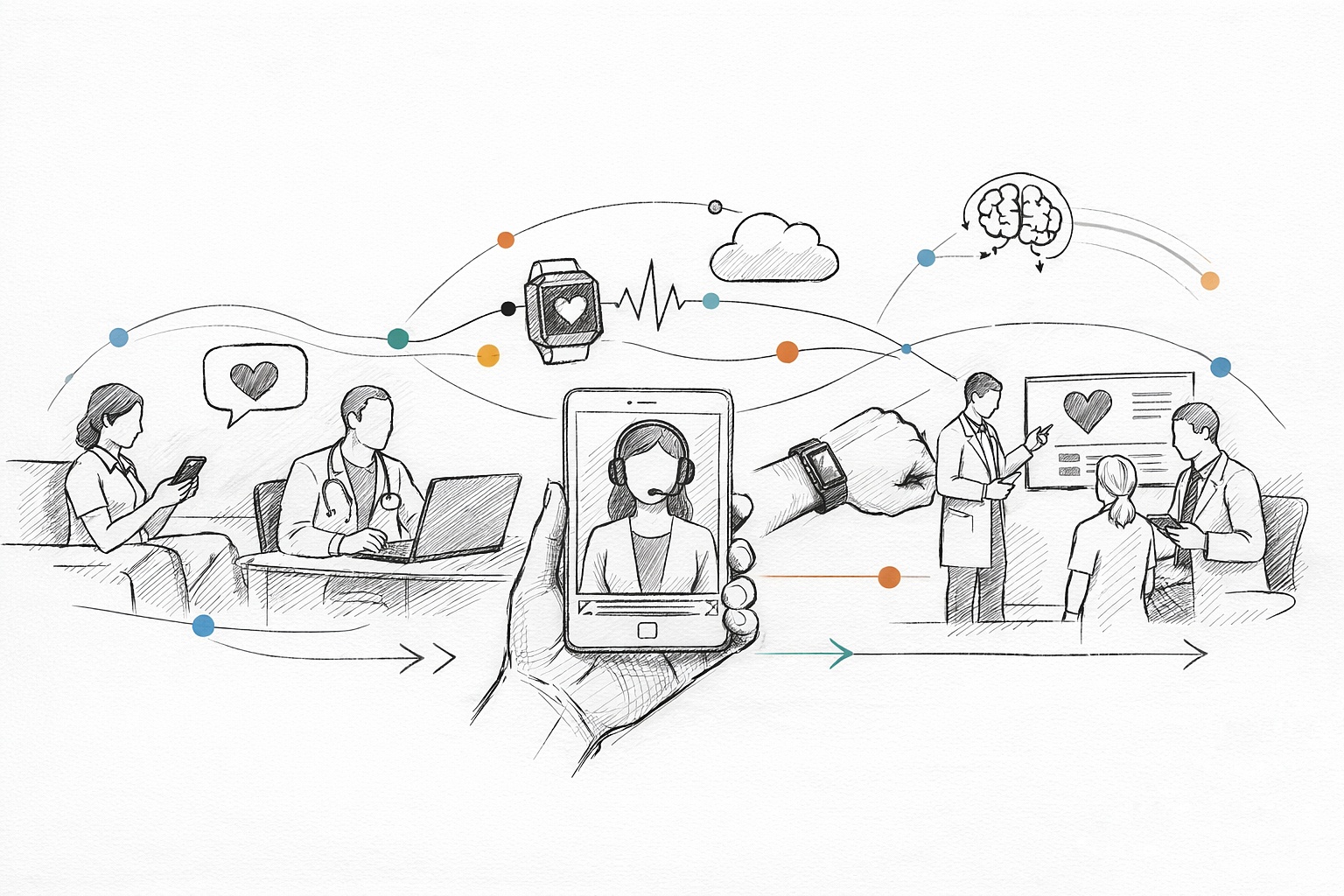
Healthcare is steadily moving toward digital systems that bring care closer to patients in everyday life. Among these changes, AI virtual health assistants stand out as practical tools that make health interactions simpler and faster. These assistants guide patients, answer questions, and handle routine tasks with clarity and ease.
Clinicians already use them to improve communication and widen access to care. Their growing role points to a future where healthcare feels more proactive, more personal, and more connected. This change will shape patient experiences, strengthen clinical efficiency, and influence how care is delivered across the system.
AI virtual health assistants refer to digital tools such as chatbots, voice assistants, and mobile health apps that talk with users in real-time. These assistants use machine learning and language processing to understand what someone is asking and offer helpful answers.
Patients use them to check symptoms, get reminders for medications, and book appointments. A simple conversation through a mobile device can walk someone through basic health questions or point them toward the right kind of care. These tools make it easier to find information and reduce repetitive manual steps.
In many healthcare settings, a skilled healthtech engineering partner builds these assistants with attention to how easy they are to use, how data moves through them, and what the patient experience feels like. That foundation shapes how well the assistant works in real situations.
Healthcare providers use AI virtual assistants to keep a steady line of communication with patients. These tools offer round-the-clock access to basic health guidance, which increases engagement and reduces delays in care.
Remote monitoring is especially useful in managing long-term conditions. Patients with ongoing health issues get regular updates and reminders that help them stay on track with daily routines. Mental health apps also use conversational tools to walk users through structured exercises and coping strategies.
Many hospitals turn to healthcare AI services to improve how they run day-to-day operations and interact with patients. These services connect patient data with intelligent systems, creating a more responsive care environment.

AI-powered systems stay in touch with patients at different points along their care journey. These assistants answer questions, share timely updates, and guide users through everyday health concerns without delay. Having access around the clock improves communication between patients and healthcare systems, leading to more consistent care.
Spotting risks early is becoming more important in modern healthcare. AI-driven assistants look at ongoing health data to pick up unusual patterns in vital signs or behavior. This early awareness gives clinicians a clearer view of possible concerns, helping them act faster and improve outcomes.
Every patient's health journey is different. AI systems collect and study personal health records, daily habits, and past interactions to offer recommendations that fit each person. A thoughtful custom AI strategy report can also help shape how these assistants analyze data and deliver personalized insights. This level of personalization makes the guidance more relevant and closely tied to individual needs and routines.
Routine tasks can take up a lot of time in clinical settings. AI assistants handle things like symptom tracking, daily check-ins, and basic documentation. This organized approach makes workflows more efficient and gives healthcare professionals more time to focus on complex cases.
Sticking to a treatment plan is not always easy. AI systems guide patients through medication schedules, therapy sessions, and follow-up visits with clear reminders and timely prompts. Regular interaction encourages patients to stay on track with their care plans, which leads to better long-term health outcomes.
Future healthcare systems will lean more on early detection and prevention. AI will look at patient data to spot patterns that could point to health risks. This moves care away from reacting to problems after they show up and toward stepping in earlier. With the growth of regulated digital tools like SaMD solutions, clinical systems gain access to more advanced diagnostic abilities. These tools process medical information and offer insights that help guide decisions early on.
Healthcare is moving toward treatment plans that are shaped around each person. AI looks at lifestyle, medical history, and behavior to offer recommendations that fit the individual. Personalized digital assistants walk patients through their care plans in a clear way. This makes the experience more engaging and helps people stick to their routines. Organizations use AI automation services to manage these complex data exchanges. These services pull information from multiple sources and deliver tailored insights as they happen.
Wearable devices like fitness trackers and smart monitors collect health data continuously. They track heart rate, sleep patterns, and physical activity throughout the day. AI virtual health assistants connect with these devices to deliver real-time insights. Ongoing monitoring builds a fuller picture of a patient's health, which supports timely action and better results. Smooth integration takes structured AI implementation support that brings together technology, clinical systems, and patient needs.
Future assistants will communicate in a more natural, human-like way. Improved language processing will help systems pick up on context, tone, and intent with greater accuracy. Voice interaction will expand across multiple languages, making healthcare more accessible. Patients will engage with systems that respond clearly and naturally, which builds trust and makes the experience easier. These improvements depend on well-designed AI workflow automation that manages conversation flow and response accuracy in different situations.
Healthcare systems involve complex administrative tasks that take up a lot of time and resources. AI-driven automation simplifies work like scheduling appointments, entering patient data, and handling follow-up communication. Reducing manual work improves efficiency and gives healthcare professionals more time to focus on patient care. Smoother workflows also reduce delays and improve service overall. Many organizations look at practical AI use cases to find where automation can boost performance and reduce operational challenges.
Clinical decision systems will become more advanced with AI. These tools analyze large datasets and offer insights that help with diagnosis and treatment planning. Doctors gain access to data-driven recommendations that improve accuracy and consistency in care. This blend of technology and clinical expertise creates a more dependable decision-making process. Bringing AI virtual health assistants together with clinical systems strengthens the link between data and the care that follows.
Healthcare data contains sensitive information that must be handled with strict privacy controls. Data security remains a major concern across all digital health systems. Accuracy is also critical to patient safety. AI systems need to process data precisely to avoid giving incorrect guidance. Regular evaluation and validation of these systems help improve their reliability. Human interaction stays at the heart of healthcare. Digital assistants cannot replace the empathy and understanding that real people bring to patient care. Regulatory requirements also influence how AI systems are adopted. Meeting healthcare standards takes careful planning and a structured approach to implementation.
The future of healthcare will see intelligent systems integrated more deeply into every level of care. AI virtual health assistants will become a regular part of how patients interact with the system and how clinical work gets done. Their role is moving beyond simple tasks toward active involvement in patient care, where they contribute to ongoing health management by continuously analyzing data and understanding context.
Collaboration between healthcare professionals and AI will make care more efficient and improve decision-making. Digital assistants will take on routine clinical activities, giving doctors more time to focus on complex cases. At the same time, these systems will get better at understanding what patients really mean, using advanced language models that can communicate across different languages and patient groups.
Telehealth and remote care will keep growing, supported by connected systems and real-time data. This shift will bring healthcare closer to patients and improve access across regions. Future systems will also lean into predictive analysis, spotting early signs of health risks by studying trends in patient data. This helps catch problems earlier, lowers the number of emergencies, and reduces hospital readmissions over time.
AI-driven healthcare is changing how patients interact with medical systems. From basic assistance to advanced clinical insights, these tools bring real improvements to care delivery. The future of AI virtual health assistants points toward more personalized, data-informed, and accessible healthcare experiences.
Organizations that adopt these systems with a clear strategy will gain lasting advantages in efficiency and patient satisfaction. Contact us to explore how AI-driven healthcare solutions can support your goals and create meaningful impact.
AI virtual health assistants are digital tools like chatbots and voice apps that guide patients, answer queries, and handle routine health tasks efficiently.
Healthcare AI services help analyze patient data, deliver personalized insights, and optimize interactions, enhancing real-time care and engagement.
A healthtech engineering partner ensures seamless integration, smooth data flow, and effective AI implementation support for reliable virtual assistant performance.
AI automation services and AI workflow automation reduce manual tasks, streamline appointments, and handle follow-ups, letting clinicians focus on critical care.
SaMD solutions provide regulated clinical support, while practical AI use cases guide how assistants improve patient engagement, monitoring, and decision-making.
Clarify the distinction between ai agent vs agentic ai and learn practical implications for healthcare design, governance, and real-world deployment.
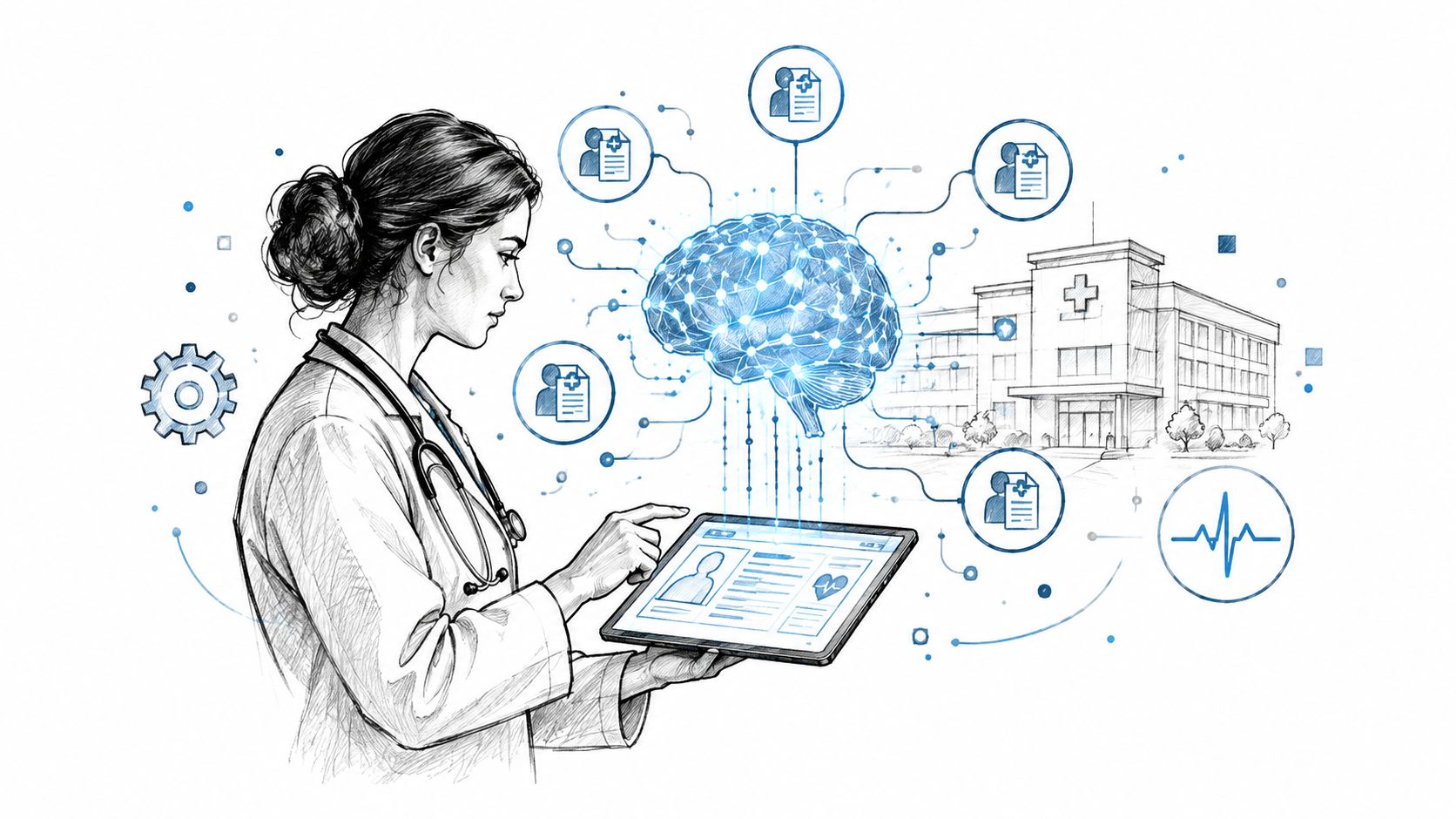
Learn what AI transformation healthcare industry means, from EHR integration to governance, ROI, and adoption roadmap for healthtech leaders.

Learn how AI-powered triage and symptom checking work in 2026, from core components and accuracy to regulation, ROI, and a practical implementation roadmap.
Connect with our team to explore how AI expertise can transform your business.