
AI in Healthcare
HIPAA-Compliant AI: How to Use LLMs With PHI Safely
How to build HIPAA-compliant AI: when LLM providers need a BAA, data minimization, de-identification, audit controls and a reference architecture.
October 16, 2026Read more
AI is personalizing patient experiences in healthcare through tailored communication, predictive insights, and smarter care delivery. It helps improve engagement, treatment experiences, and overall patient satisfaction.
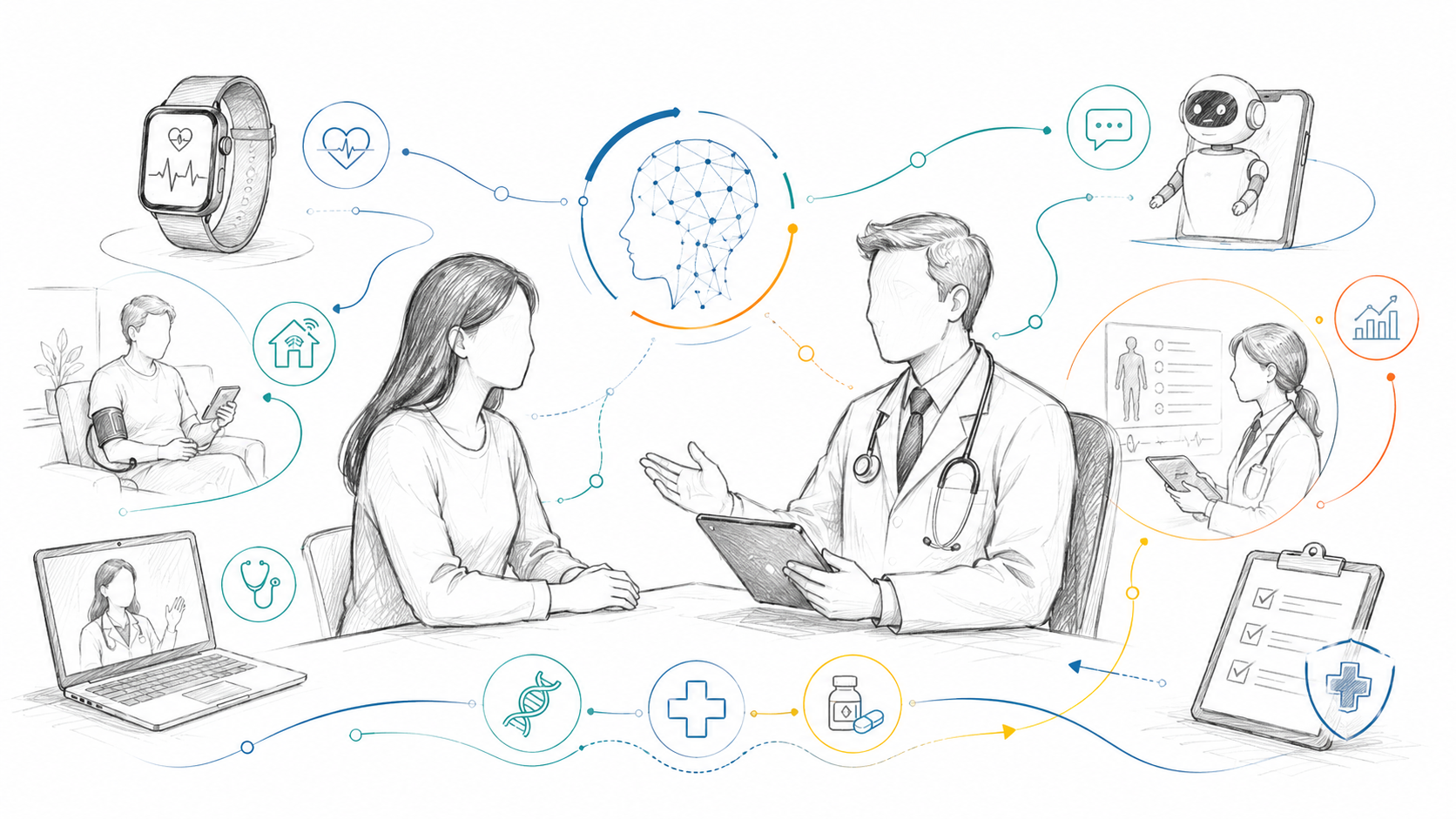
Healthcare teams now depend on data, digital tools, and smart systems for daily patient care. AI has changed how hospitals, clinics, and care teams connect with people at every stage of treatment. The rise of personalized healthcare AI has led to patient experiences that feel more relevant, timely, and less stressful. Patients now receive care plans shaped by medical records, habits, symptoms, and past visits. This approach brings clearer communication, faster replies, and better-informed clinical decisions across modern healthcare settings.
Healthcare systems now pay more attention to patient comfort, clear communication, and ease at every step of care. Long waits, slow responses, and one-size-fits-all treatment plans used to frustrate many patients. AI has shifted this experience by using intelligent systems that study patient needs and offer more suitable healthcare interactions. From virtual visits and automatic reminders to tailored treatment suggestions and remote monitoring, AI continues to build healthcare experiences that feel more connected, responsive, and centred around the patient.
Personalised patient care looks at each person's health condition, medical history, daily habits, and how they respond to treatment. AI studies large amounts of patient data and finds patterns that help clinical teams plan treatments. This process gives doctors a clearer understanding of what each patient needs at different stages of care.
Healthcare organisations now team up with a healthtech engineering partner to build digital systems that improve how patients interact with websites, portals, mobile apps, and connected devices. These systems create smoother communication between care teams and patients during visits, follow-ups, and recovery periods.
AI looks at patient behaviour, symptom patterns, medication history, and past diagnoses. These insights help healthcare professionals make better clinical decisions and communicate more effectively with patients each day. Many healthcare providers rely on healthcare AI services for data analysis, patient engagement tools, and smart monitoring systems across large healthcare networks.
AI has changed how healthcare providers interact with patients during visits, treatment, and recovery. Many organisations now use a custom AI strategy report to spot gaps in patient communication, find digital care opportunities, and understand engagement patterns across their systems.
AI chatbots answer common patient questions through websites, mobile apps, and patient portals. Virtual health assistants help patients book appointments, update prescriptions, and find basic healthcare information. This leads to faster communication across healthcare services.
Patients expect quick answers in medical situations. AI-driven communication tools offer ongoing support for appointment requests, treatment updates, and patient questions at any time of day. This creates a smoother experience throughout the patient's care journey.
Digital healthcare systems now send automatic appointment reminders, prescription alerts, and follow-up messages based on patient records. These reminders lower the number of missed appointments and improve continuity of treatment across healthcare settings.
Clear communication builds a positive patient experience. AI studies patient history, treatment progress, and how patients interact, then delivers more relevant responses during visits and digital conversations. This process creates more connected healthcare interactions for both patients and medical teams.
Healthcare providers now use AI to study patient records, treatment history, symptoms, and medical patterns so they can understand clinical needs faster. Predictive analytics leads to more informed healthcare decisions across hospitals and care facilities. Many organisations also depend on patient personalisation AI to understand patient behaviour, recovery progress, and response to treatment at different stages of care.
AI systems study patient information and spot patterns linked to future health concerns. Doctors receive alerts about possible complications, missed medications, or sudden changes in condition before situations become urgent. This process creates safer and more responsive patient care experiences.
Finding illness early plays a major role in modern healthcare. AI reviews symptoms, medical scans, lab reports, and patient history to identify risks tied to chronic illness and long-term conditions. Patients receive timely medical attention, wellness advice, and preventive care recommendations through connected healthcare systems.
Real-time data analysis gives healthcare teams faster access to patient updates and treatment information. Doctors can review health changes, track recovery progress, and respond quickly during emergencies or routine visits. Faster access to information improves communication and clinical coordination across healthcare settings.
AI now plays a major part in treatment planning across modern healthcare systems. Doctors use patient records, diagnostic reports, genetic data, and lifestyle information to create more focused care experiences. Many healthcare providers also rely on SaMD solutions for digital diagnostics, clinical analysis, and patient monitoring at different stages of treatment.
AI studies patient history, symptoms, past treatments, and recovery patterns to suggest treatment plans suited to individual health conditions. This process creates more relevant care experiences for patients across various medical specialties.
Precision medicine focuses on healthcare decisions shaped by a person's genetics, medical history, and health patterns. AI reviews large amounts of clinical data and gives doctors deeper insight during diagnosis and treatment planning.
AI gives healthcare professionals faster access to patient information, treatment updates, and recovery progress. Doctors can review medical patterns and make more informed care decisions during consultations, follow-ups, and long-term treatment journeys.
AI-powered wearable devices and remote monitoring systems have changed how healthcare providers track patient health outside hospitals and clinics. These technologies keep communication steady between patients and medical teams during treatment and recovery.
Smartwatches and wearable sensors track heart rate, oxygen levels, sleep patterns, glucose levels, and physical activity.
Healthcare providers receive continuous patient data through connected digital systems.
Patients gain more awareness about daily health patterns and wellness progress.
AI reviews patient data and identifies unusual health changes in real time.
Doctors receive faster alerts related to sudden medical concerns or recovery complications.
Continuous monitoring improves observation during chronic illness treatment and post-surgery care.
Patients can receive medical observation from home through connected healthcare devices.
Elderly patients and people living in remote areas receive easier access to healthcare communication.
Remote monitoring creates more convenient healthcare experiences during long-term treatment journeys.
Digital healthcare platforms have made it easier for patients to interact with hospitals and clinics. Patients can view their records, lab reports, prescriptions, and appointment schedules through secure online portals. Virtual consultations also make communication simpler between doctors and patients during routine visits.
Many healthcare providers turn to healthcare recommendation systems for wellness advice, preventive care tips, and patient education material. These systems study patient activity and share information that connects to their medical history and health needs.
The rise of telemedicine has also brought healthcare access to remote areas. Patients can now receive consultations, treatment advice, and follow-up care through digital channels without having to travel often.
Patients expect fast communication, easy booking systems, and accurate treatment advice during their healthcare interactions. AI improves these experiences by offering quicker scheduling, live updates, and digital engagement tools. Hospitals can also review patient feedback to improve service across different departments.
The continued growth of personalized healthcare AI has led to care journeys that feel more human and responsive. Patients receive messages and updates that match their treatment stage, health condition, and recovery progress. This approach creates smoother interaction throughout the entire care experience.
AI continues to shape healthcare delivery across hospitals, clinics, diagnostic laboratories, and remote care networks. Healthcare leaders now focus on connected patient experiences built through intelligent data systems and digital communication platforms.
Future healthcare systems may provide continuous monitoring, predictive diagnosis, and highly focused treatment planning across larger patient populations. AI-driven healthcare platforms will continue improving communication, convenience, and clinical accuracy across modern healthcare services.
AI has improved patient experiences through personalised treatment plans, predictive analysis, remote monitoring, virtual care, and smart communication systems. Healthcare providers now rely on digital tools for faster patient interaction, clearer medical advice, and better-informed clinical decisions. The continued growth of personalized healthcare AI is shaping how care feels at every stage of the patient journey.
Contact us for more insight into AI-driven healthcare transformation and modern approaches to patient experience.
Personalized healthcare AI uses patient data, medical history, and behaviour patterns to create more relevant and responsive healthcare experiences.
Patient personalization AI supports smarter communication, appointment reminders, and tailored interactions across digital healthcare platforms.
A healthtech engineering partner helps build scalable systems, integrate healthcare AI services, and improve digital patient experiences.
Tailored treatment AI and healthcare recommendation systems support accurate treatment planning, preventive care, and better clinical decisions.
A custom AI strategy report guides AI implementation, while SaMD solutions support compliant diagnostics, monitoring, and patient care systems.
How to build HIPAA-compliant AI: when LLM providers need a BAA, data minimization, de-identification, audit controls and a reference architecture.

Practical data migration planning guide for healthcare teams. Scope, mapping, compliance, validation, cutover and rollback decisions explained end to end.

Smart on FHIR guide for healthtech engineers. Learn the OAuth 2.0 launch model, scope syntax, backend services, and US regulatory requirements.
Connect with our team to explore how AI expertise can transform your business.