
AI in Healthcare
Smart on FHIR: What It Is and How It Works in Practice
Smart on FHIR guide for healthtech engineers. Learn the OAuth 2.0 launch model, scope syntax, backend services, and US regulatory requirements.
October 14, 2026Read more
Discover how healthtech platforms can streamline patient journeys, reduce referral drop-offs, and improve referral-to-care conversion rates. Learn how automation, real-time tracking, integrated communication, and data-driven insights help connect patients with timely care.
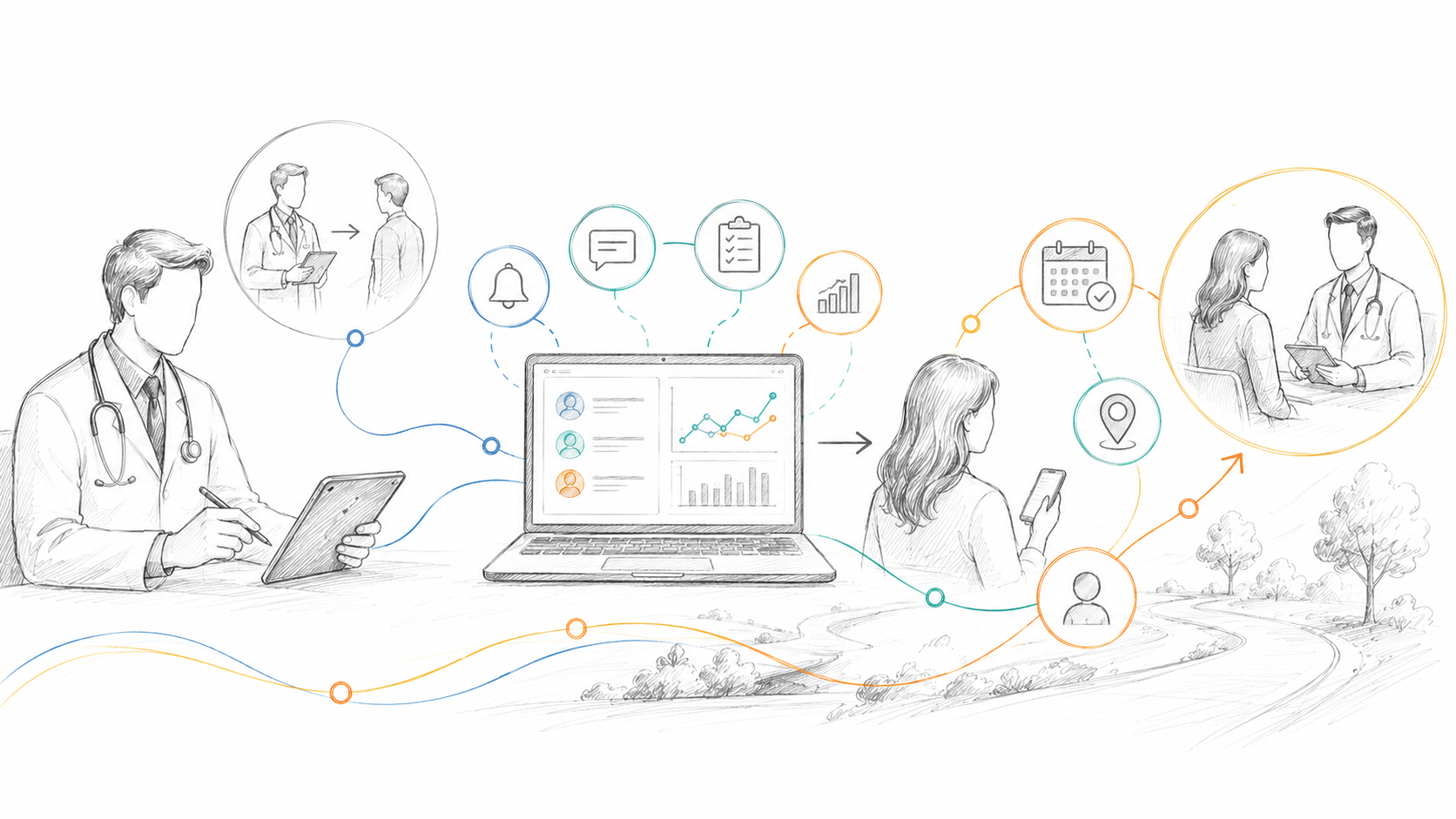
Referral-to-care conversion is the percentage of patients who move forward with treatment after being referred by a healthcare provider. When this rate is high, patients receive care quickly, and hospitals maintain continuity across the care journey. Effective healthcare referral management reduces patient drop-offs, strengthens communication, and creates a smoother path from referral to appointment completion.
For hospitals and clinics, every referral that does not result in care is a missed opportunity to treat a patient promptly. Patients often face delays, confusion, or communication gaps that prevent them from reaching the right specialist or service. Healthtech platforms address these problems with digital workflows, referral tracking, automated communication, and data-driven insights. As healthcare systems focus more on patient outcomes and operational efficiency, referral management technology is becoming an important means of connecting patients with the care they need.
Referral-to-care conversion shows how many patients follow through with the care recommended after receiving a referral. This measure reflects how well the referral process connects patients with the right provider at the right time.
Hospitals and clinics track this rate closely because incomplete referrals can interrupt treatment plans and leave gaps in patient care. For example, if 100 patients are referred and only 60 attend their specialist appointments, the conversion rate is 60 percent. The remaining patients represent drop-offs that affect both outcomes and operations.
To address these challenges, more healthcare organizations are working with a healthtech engineering partner to modernize referral workflows and improve patient journeys across different care settings.

Many patients face obstacles after receiving a referral. Delays in scheduling, limited communication, missed follow-ups, long wait times, and complex paperwork can all create barriers during the care journey. In many cases, patients are unsure about what to do next, which often leads to missed appointments or incomplete referrals. Organizations using healthcare AI services often focus on spotting referral patterns, patient behavior trends, and process gaps that contribute to these problems.
Another challenge is the lack of visibility across the referral process. Providers may not know if a patient booked an appointment, attended the visit, or completed the recommended treatment. Without timely updates and clear communication, referrals can remain unresolved for long periods. This disrupts continuity of care, affects patient outcomes, and reduces the overall impact of referral programs.
Referral leakage happens when patients do not complete the recommended referral or choose care outside the intended provider network. This creates challenges for patients, providers, and healthcare organizations.
Revenue Loss: When patients do not complete referrals within the network, healthcare organizations lose opportunities for follow-up visits, specialist consultations, and related services. Over time, this affects financial planning and overall performance.
Delayed Treatment: Incomplete referrals can slow access to specialist care and diagnostic services. These delays may extend symptoms, interrupt treatment plans, and affect patient health outcomes.
Lower Patient Satisfaction: Patients who face scheduling problems, unclear instructions, or poor communication often feel frustrated. A complicated referral process reduces trust and satisfaction with the healthcare experience.
Impact on Care Quality and Outcomes: When referrals remain incomplete, providers lack a full view of the patient’s care journey. This creates gaps in coordination, interrupts treatment continuity, and limits timely clinical decisions.
Insights from a custom AI strategy report can highlight referral bottlenecks, patient engagement patterns, and areas where completion rates can be improved.
Healthcare referral management involves tracking, coordinating, and monitoring patient referrals from the time they are created until the appointment is completed. Traditional referral methods often rely on phone calls, paper records, and manual coordination, which can be slow and difficult to manage. Digital referral systems bring more visibility and accountability across the process, making it easier for providers and patients to stay connected.
Hospitals and clinics are investing more in referral optimization because value-based care depends on timely treatment, clear communication, and measurable outcomes. In regulated care environments, SaMD solutions can strengthen clinical workflows and improve the exchange of information across care teams.
Modern platforms digitize referral submission and routing, allowing care teams to transfer information quickly. This reduces delays and cuts down on administrative work. Faster routing shortens the time between referral creation and appointment scheduling. Many hospitals combine referral workflows with patient intake automation to reduce manual data entry and improve accuracy from the very start of the patient journey.
Centralized tracking gives providers visibility across every stage of the referral process. They can monitor status, review progress, and identify patients who need additional outreach. This visibility lowers the risk of missed referrals and provides a clearer view of how patients move through the care journey.
Strong communication between primary care providers, specialists, and patients increases referral completion rates. Digital platforms create a shared view of referral activity, appointment status, and clinical updates. Many healthcare organizations use care coordination software to connect teams across departments and maintain consistent communication throughout treatment pathways.
Online scheduling gives patients an easy way to book appointments soon after receiving a referral. Shorter scheduling times often lead to higher completion rates.
SMS messages, email notifications, and phone reminders keep patients updated about upcoming appointments. Consistent communication reduces missed visits and strengthens patient engagement.
Closed-loop referral management provides visibility from referral creation through appointment completion. Providers receive updates when patients attend visits, creating a complete record of the referral journey.
Analytics dashboards highlight referral bottlenecks, track conversion rates, and measure outcomes. These insights guide operational improvements and resource planning.
Patient engagement plays a major role in referral completion. When patients understand the referral process and receive timely updates, they are more likely to follow through with recommended care. Modern healthtech platforms use different engagement tools to keep patients informed and connected throughout their care journey.
Messages tailored to a patient’s needs, referral status, or appointment schedule create a more relevant experience. Targeted communication keeps patients updated and encourages timely action.
Many patients are unfamiliar with the referral process or the reason for specialist care. Clear educational resources and care instructions guide them on what to expect, how to prepare for appointments, and why follow-up care matters.
Patient portals provide easy access to referral details, appointment information, provider contacts, and medical documents. Convenient access improves engagement and reduces missed appointments.
Uncertainty often leads to delays and incomplete referrals. Regular updates, appointment reminders, and referral status notifications create transparency and give patients a clear view of each step in the care journey.
For Patients: Patients gain quicker access to treatment, stronger health outcomes, and a smoother care experience. Clear communication reduces confusion and creates continuity across the care journey.
For Providers: Providers spend less time on manual referral tasks and gain clearer visibility across referral activity. Better communication supports more coordinated care delivery.
For Healthcare Organizations: Organizations experience lower referral leakage, stronger operational efficiency, and improved performance within value-based care programs. Higher referral completion rates also lead to more effective use of resources.
The future of healthcare referral management will focus on building a more connected and data-driven process. Advanced analytics can highlight referral bottlenecks, track patient engagement patterns, and identify patients who may need extra outreach. AI-driven recommendations can also improve referral routing by matching patients with the most suitable providers based on clinical needs and availability.
Another important development is stronger interoperability across healthcare systems. Better data exchange between providers, specialists, and care teams creates a more coordinated care experience and increases visibility across referrals. When combined with personalized communication and automated follow-ups, these advancements can raise referral completion rates and improve patient outcomes.
Referral-to-care conversion remains a key measure of healthcare performance. Delays, communication gaps, and complex administrative steps can lower referral completion and affect patient outcomes. Modern platforms address these challenges through automation, tracking, analytics, and coordinated communication. As healthcare organizations continue to strengthen healthcare referral management, they can achieve improved patient outcomes, greater provider efficiency, and stronger operational performance. Contact us to learn more about creating a more effective referral journey.
A: Healthcare referral management helps providers track, coordinate, and complete referrals efficiently, improving patient access to care and reducing referral leakage.
A: A healthtech engineering partner can build connected referral systems that streamline communication, tracking, and provider coordination.
A: Healthcare AI services help identify referral bottlenecks, automate follow-ups, and improve patient engagement throughout the referral journey.
A: A custom AI strategy report highlights workflow gaps, patient behavior trends, and opportunities to improve referral completion rates.
A: Patient intake automation, care coordination software, and SaMD solutions reduce manual tasks, improve communication, and create a smoother referral process.
Smart on FHIR guide for healthtech engineers. Learn the OAuth 2.0 launch model, scope syntax, backend services, and US regulatory requirements.
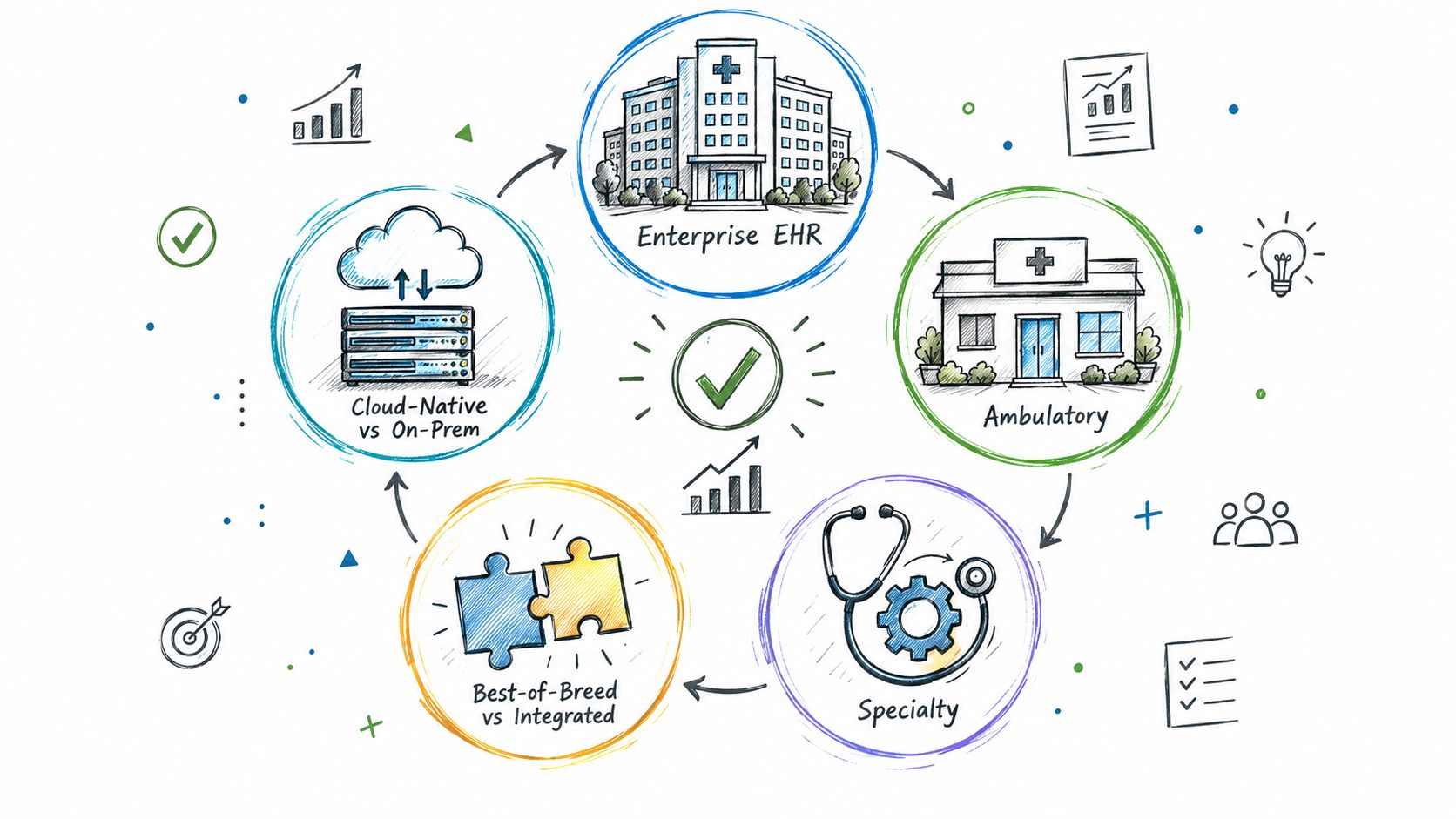
Explore the types of EHR systems by deployment model, care setting and scope. Compare integration options, trade-offs and selection tips for healthtech teams.
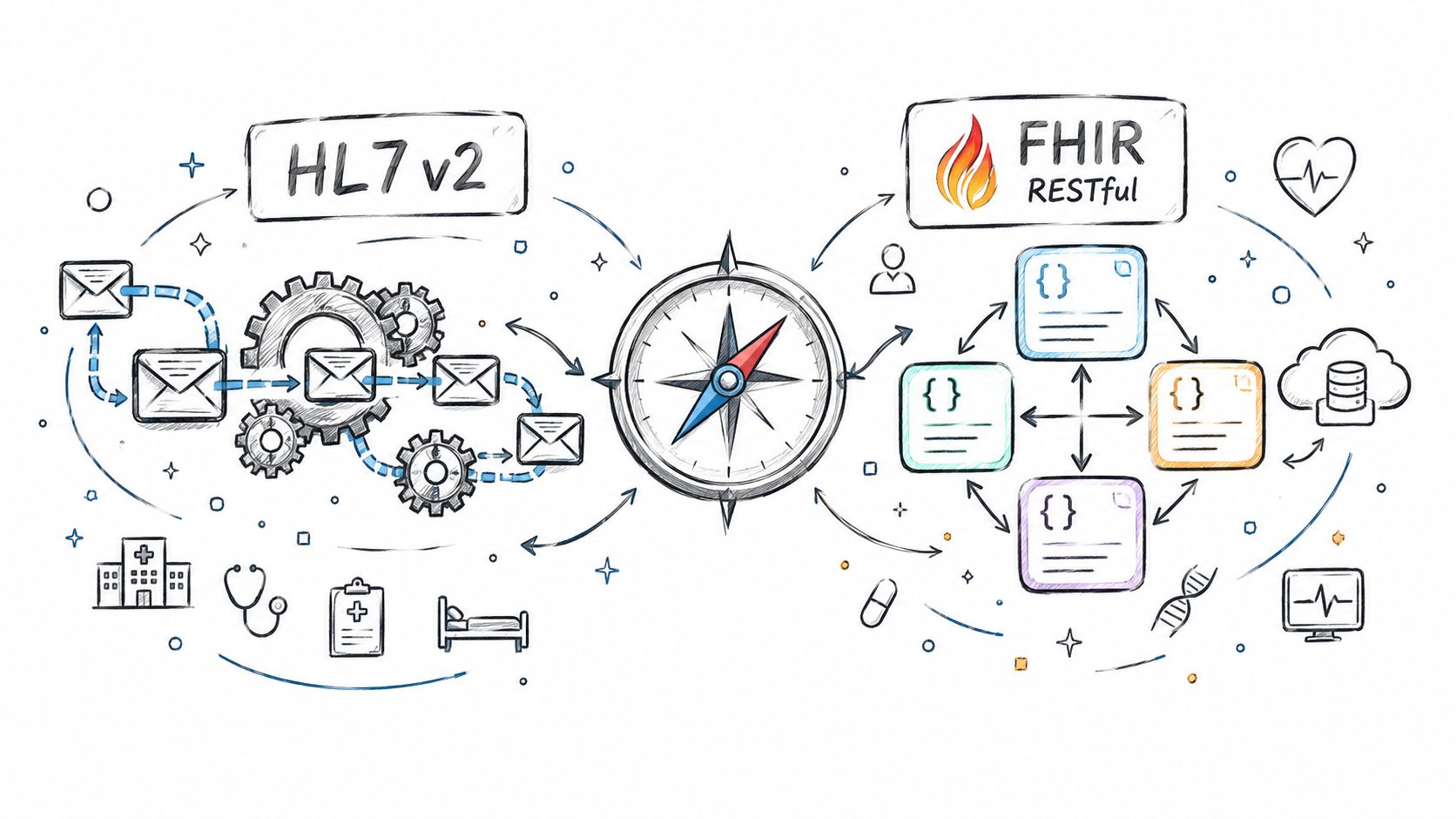
Compare Fhir vs. hl7 standards for healthtech integration. See how HL7 v2 and FHIR differ in use, mechanics, regulation, and real-world architecture.
Connect with our team to explore how AI expertise can transform your business.