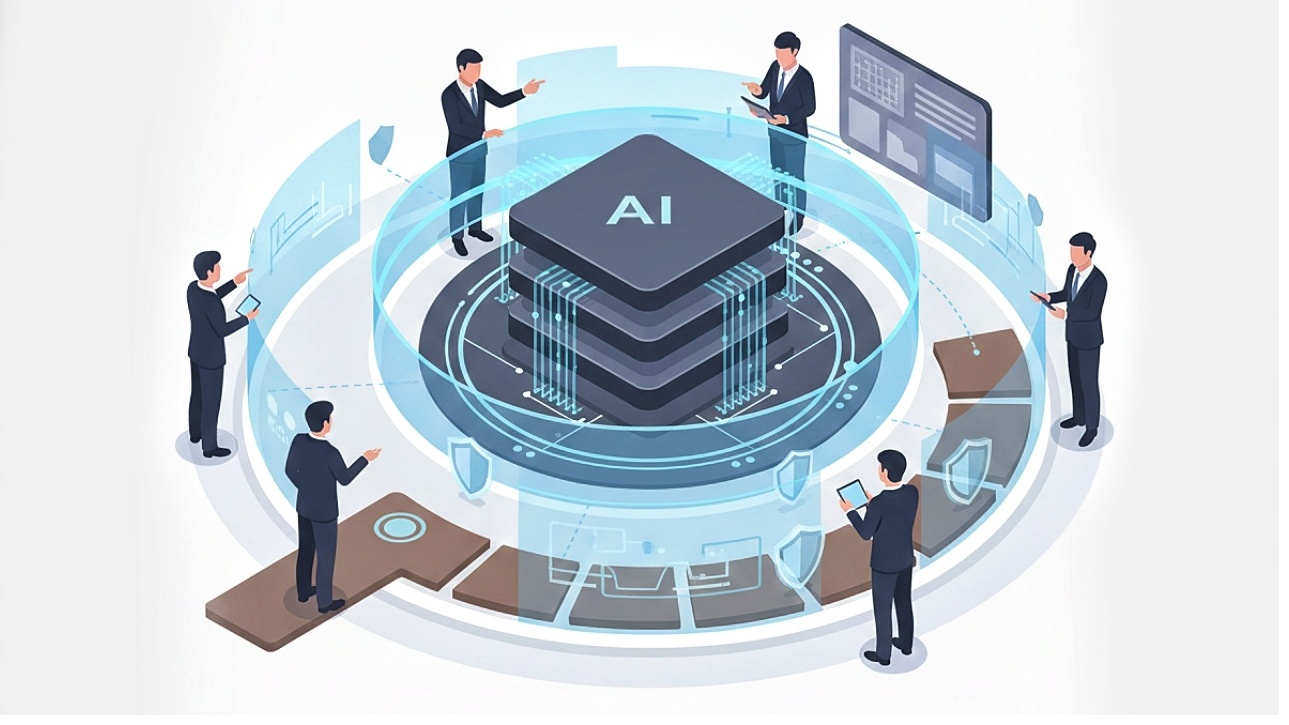
Building a safe and trustworthy AI system for a business involves more than just smart technology. It is about building a system that people can count on. This involves implementing practical steps to prevent potential problems before they arise. Enterprises don’t just need AI that works; they need AI they can trust.
That trust is built through practical, risk-aware controls, measures that ensure AI systems remain reliable, ethical, and resilient under real-world pressures. This blog explores the essential steps enterprises can take to design AI that is not only powerful but safe, responsible, and future-ready.
Why Safe AI Matters for Modern Enterprises
AI systems now operate across many areas of a business, handling customer service, managing finances, and organizing supply chains. A well-functioning system provides real value. A faulty one, however, can have significant consequences. A biased decision, an incorrect forecast, or a data leak creates tangible problems. This reality requires strong, practical controls. Following these careful steps produces AI that delivers stable, reliable results for the long term.
Many organizations begin by testing different
AI solutions. This exploration is a good first step. However, without a clear safety plan, a tool meant to help can sometimes create new problems. A structured method provides a company with the confidence to deploy AI effectively. It also helps maintain the trust of your customers, your team, and everyone involved in your business.
Understanding the Foundation of AI Risk Controls
A strong AI program begins with good planning. This early phase presents the optimal opportunity to prevent problems before they arise. Many companies work with an
AI strategy consulting team to find the right path. These experts help clarify the technical, legal, and ethical lines your project should not cross.
A solid plan gives clear answers to a few simple questions:
1. What data will the AI use
2. Who will monitor the system?
3. Where the risks may appear
4. How the system will behave during unusual situations
Addressing these questions establishes the first AI safety measures. Identifying risks early saves a business from difficult corrections later.
Structuring AI Systems for Safe Performance

Every industry uses AI in its own way. Because of this, the controls you put in place must match your specific needs. AI applications include predicting sales, automating tasks, and managing customer communications. Understanding these different
AI use cases is the first step to applying safety controls that truly work.
1. Data Quality and Access Control
A safe AI system requires clean and accurate data to function correctly. It is also important to control who can see this information. This prevents the system from being misused. This step is a core component of responsible AI. It helps the system produce trustworthy results and keeps private data secure.
2. Model Testing and Stress Checks
Before you use AI in your daily work, you should test it thoroughly. Try it out with different situations, tricky edge cases, and unusual data. An AI implementation partner provides valuable support at this stage. They observe how the model performs, locate its limitations, and suggest ways to improve it.
3. Human Oversight and Review Cycles
AI works best when people are still part of the process. Regular reviews identify problems such as performance issues, unexpected behavior, or bias. This creates a strong safety net while still allowing new ideas to flourish.
To build knowledge, many businesses review materials on responsible AI guidelines. This serves as a solid foundation for their own external research. To deepen this understanding, topics such as
data ethics principles also offer helpful direction.
Building a Practical Framework for AI Risk Reduction
A clear framework helps a company track its AI journey with confidence. Many teams begin by creating a
custom AI strategy report. This document serves as a guide, highlighting potential risks and the methods to manage them. Regular check-ups help a business understand if its AI program is just launching, gaining speed, or operating at an advanced level. Using a tool like an AI maturity model can illustrate progress and identify next steps.
As the company grows, it is also wise to evaluate current systems with an AI readiness assessment. This review identifies which areas need to be changed or enhanced for a safe and successful AI rollout.
Creating a Roadmap for Long-Term Safety
Once a business knows its current AI stage and the risks it faces, the next step is to build an AI adoption roadmap. This plan outlines how the company will grow its use of AI across various teams. It also maintains the strength and relevance of safety controls as the technology evolves.
Long-term safety also means ongoing monitoring. AI systems require regular check-ups due to data drift, performance dips, and unexpected actions. These monitoring steps act as steady AI safety measures as the system matures.
Conclusion
Building a safe AI system is a deliberate process. It needs a clear plan, careful testing, consistent monitoring, and the right partners. When a business combines thoughtful controls with straightforward workflows, AI transforms into a reliable tool. It supports growth without introducing unnecessary risks.
Ready to move beyond experimentation and build an AI your business can truly rely on? Let’s design a framework tailored to your enterprise, one that safeguards data, ensures compliance, and delivers consistent value.
Contact us to start shaping an AI strategy that’s both innovative and secure.
FAQ
1. Why Are AI Safety Measures Important for Enterprises?
AI safety measures help enterprises prevent bias, errors, and data risks while ensuring AI Solutions remain reliable and trustworthy.
2. How Does AI Strategy Consulting Support Safe AI Systems?
AI strategy consulting helps define risk controls, align AI use cases with business goals, and establish responsible AI practices early.
3. When Should a Company Involve an AI Implementation Partner?
An AI implementation partner supports model testing, stress checks, and monitoring to ensure AI systems perform safely in real-world conditions.
4. How Do AI Maturity Models and Readiness Assessments Reduce Risk?
An AI maturity model and AI readiness assessment show current capability levels and identify gaps before scaling AI systems.
5. What Role Does an AI Adoption Roadmap Play in Long-Term AI Safety?
An AI adoption roadmap, supported by a custom AI strategy report, ensures AI use cases scale responsibly while maintaining strong safety controls.