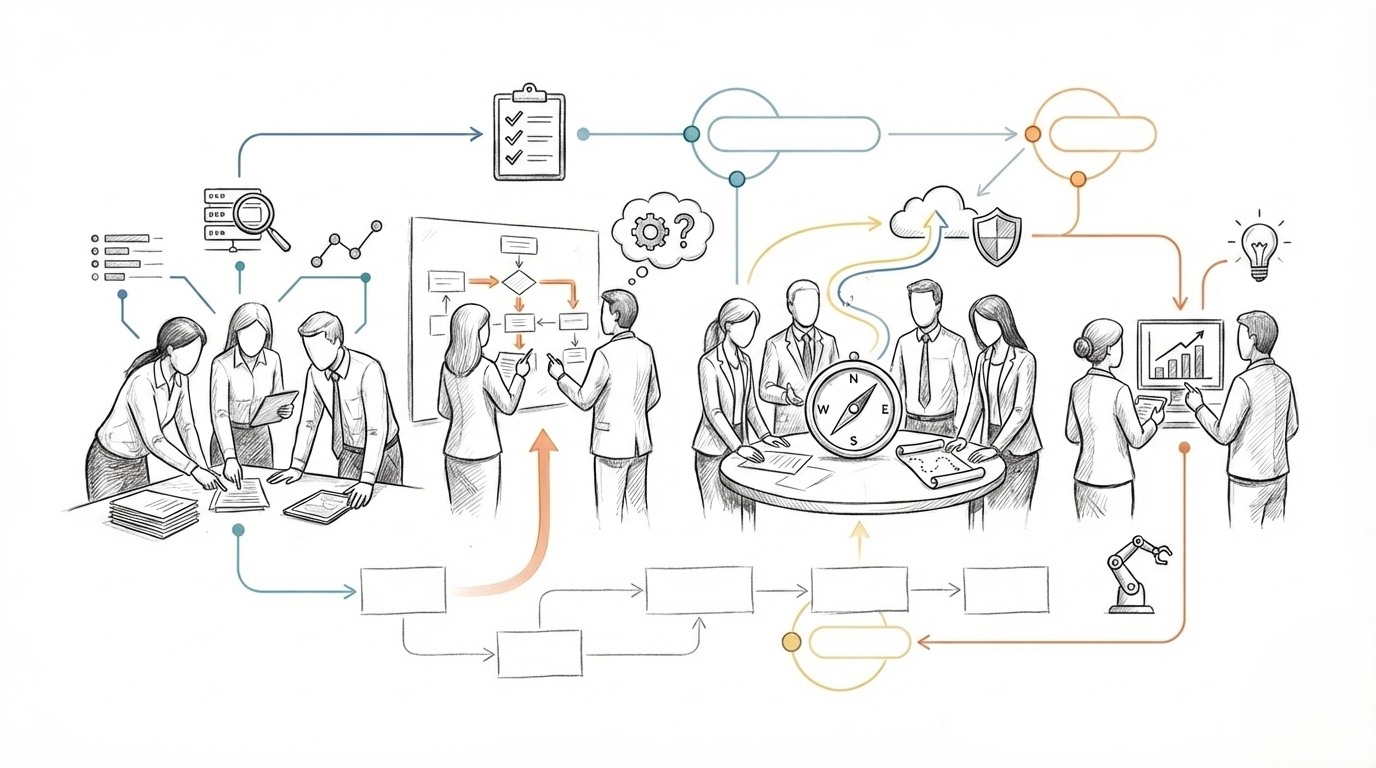
Think about building a house. You would not just start laying bricks. You would first check the land, understand the design, and gather the right materials. Starting an AI project works the same way. It is a good idea to understand your company's preparation before you start. Many teams jump straight into new tools without checking their foundation. An AI readiness audit provides a clear picture of your current situation. It shows you what to fix before you spend your time, money, and team's energy. This careful start helps you move forward smoothly, prevent problems, and get everyone on board with confidence.
Why an AI Readiness Audit Matters
Many teams start their AI journey with great excitement, hoping for quick solutions. But this momentum often slows down. The problem is usually a missing foundation. Organized data, a clear plan, supportive leaders, and the right technical setup are all critical for success. An AI readiness assessment solves this problem. It acts like a business check-up, showing your strengths and highlighting areas for improvement before you begin.
Understanding Your Business Goals
A successful audit begins with a simple question: Why do we want AI? Without a clear answer, you might choose a tool that does not help your business. First, find the specific problem you want to solve. You could aim to improve customer service, predict product demand, or complete routine work without manual effort. When you know your main challenge, you can then look for
AI use cases that are a good match for your objectives.
Setting Measurable Outcomes
A strong audit also looks at how you will measure your success. You need to set clear goals that you can monitor. Define the areas you want to improve, such as shorter response times, higher accuracy, or reduced process costs. These specific numbers will guide your choices as you move forward. They also give you a clear way to see if your AI project is producing the results you want. This step is a core part of any AI readiness assessment, as it ties your business goals to your project results.
Checking Your Data Foundation
A strong data foundation is the most important part of any AI project. In your audit, take a close look at your data. Ask where it comes from, how correct it is, and if people in your company can get to it easily. This review determines your preparation for
AI Solutions or identifies a need for data organization first.
Data Quality and Availability
Take a closer look at data formats, duplicate records, outdated entries, and missing details. These minor issues can create significant challenges during the training of an AI model. Identifying these weak spots allows you to develop a straightforward plan for improvement. This preparation paves the way for stronger results from your project.
Reviewing Your Technology Setup

A strong technology foundation supports AI projects. Your current systems must support new workflows smoothly. As part of your audit, review the tools, software, and platforms you use now. This check gives you a clear picture. This check determines if your technology is ready for the next step or requires upgrades before working with an AI implementation partner. Here, many companies also explore
digital transformation trends, which can offer helpful guidance for improving outdated systems and preparing for AI-driven improvements.
Integration and Scalability
Pay attention to how your different tools work together. When systems operate separately, AI models lack the necessary data. A scalable setup offers another advantage. It allows you to begin with a small project and expand it over time. This way, you can grow your AI efforts without the need to rebuild your entire system later.
Assessing Team Skills and Culture
Your team's abilities play a large role in the successful adoption of new technology. During your audit, you should review your team's capabilities. This review should cover both technical understanding and broader team skills. The goal is not to have a team of experts. Instead, you want people who feel comfortable using AI tools as a normal part of their daily tasks.
Training and Collaboration
You can build team confidence with new tools through hands-on workshops, open discussions, and small test projects. A supportive company culture makes the shift to AI much easier. It also motivates employees to experiment with new approaches. This is a good point to consider in
AI strategy consulting. An outside expert can provide clear guidance on the specific skills your team should develop.
Evaluating Governance and Responsibility
A complete AI readiness audit also looks at how your company makes decisions. It checks for clear rules about data privacy and understands who is responsible for the results. Having this structure in place helps prevent potential issues. It also builds a stronger sense of trust among different teams in your organization.
Ethical and Responsible AI Practices
You can build a framework of simple rules for your AI projects. These rules should address transparency, fairness, and data security. Following these responsible practices allows your company to grow its use of AI with confidence. This thoughtful approach prepares you for the more advanced stages outlined in any AI maturity model.
Building a Roadmap for the Next Steps
Once your audit is complete, the next task is to create a clear plan. This plan should outline the urgent actions and the longer-term developments. This document becomes your company's AI adoption roadmap. It must be practical and easy to follow. A good plan keeps your team focused on achieving both your immediate targets and your larger, long-term goals.
Tailored Planning
Many companies find it useful to create a
custom AI strategy report. This document identifies key tasks, proposes achievable timelines, defines team roles, and states project goals. This report acts as a valuable guide for company leaders. It also helps align the entire team, so everyone works toward the same objectives.
Running Pilot Projects
Following the audit, the logical next step is a small pilot project. Select a task that has a low risk but can still show a good result. This approach gives your team a chance to learn, make adjustments, and demonstrate success. This process builds confidence before a full company rollout.
Learning Before Scaling
A pilot project serves as a valuable learning opportunity. It shows you which methods are effective and which areas need adjustment. These small projects also allow teams to improve their collaboration skills. This practice builds their confidence for the larger projects that lie ahead.
Conclusion
An AI readiness audit gives you a clear picture of your starting point before you invest in any AI project. When you have defined goals, organized data, a solid technical setup, and a prepared team, you can move forward with greater certainty. This also helps you understand how AI readiness assessment fits into your long-term strategy. If you need support with strategy creation or preparing your business for the next phase, please feel free to
contact us.
FAQ
1. What is an AI readiness assessment, and why is it important?
An AI readiness assessment evaluates your organization’s current capabilities, data, and team skills to ensure your AI solutions succeed from the start.
2. How can AI strategy consulting help during an AI readiness audit?
AI strategy consulting provides expert advice on identifying AI use cases, preparing your team, and creating a practical AI adoption roadmap.
3. What is included in a custom AI strategy report?
A custom AI strategy report outlines key tasks, timelines, team roles, and project goals, helping leaders align their AI implementation partner and teams.
4. How does an AI maturity model support AI projects?
The AI maturity model defines stages of development, helping organizations scale pilot projects, improve processes, and plan for advanced AI use cases.
5. Why should I involve an AI implementation partner?
An AI implementation partner ensures your technology setup, integration, and data readiness support AI solutions effectively, enabling smoother execution and measurable results.