
AI in Healthcare
HIPAA-Compliant AI: How to Use LLMs With PHI Safely
How to build HIPAA-compliant AI: when LLM providers need a BAA, data minimization, de-identification, audit controls and a reference architecture.
October 16, 2026Read more
Responsible AI is no longer optional. Learn how organizations can operationalize ethical AI principles through governance, accountability, and practical implementation frameworks.
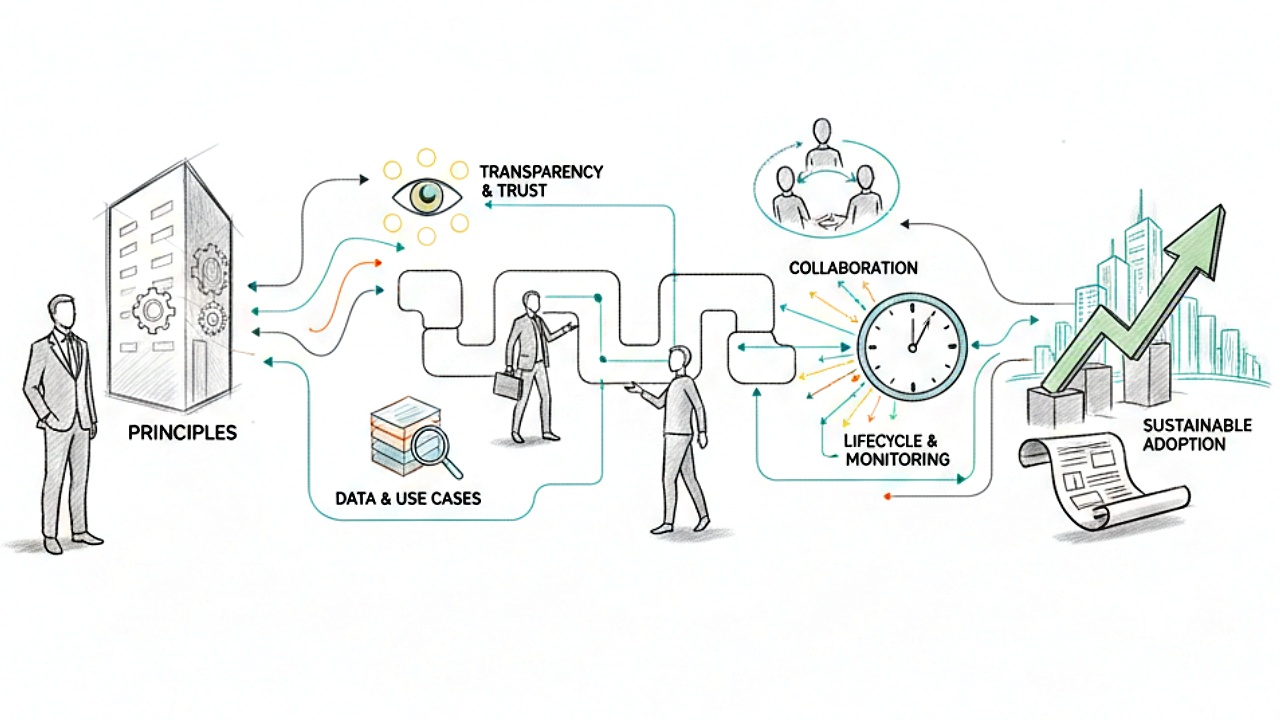
Responsible AI has moved from the sidelines to the very centre of the work. What began as an experiment is now a core part of how many organisations operate. As companies stop just testing AI and start using it in real work every day, people expect this technology to be used properly. Leaders are asking a straightforward question: how do we turn our good intentions into clear, everyday practices? It requires a clear plan that integrates ethics directly into the workflow, creating a path for innovation that is both bold and trustworthy.
Every journey with AI should start with a clear set of values. These core beliefs become the foundation for your responsible AI implementation. They guide how you choose data, design models, and shape the system. In our experience, organisations that weave these principles into their daily work, rather than just writing them down, move forward more smoothly. Simple, consistent habits like clear documentation, getting teams on the same page, and holding regular check-ins keep your ethical direction steady as your AI solutions grow.
As development advances, leadership teams often apply tools such as AI readiness assessments. These tools help them see their current strengths and identify clear gaps. These assessments pinpoint areas that need improvement, from the quality of your data to your governance rules, and then provide a clear path to develop your internal skills. This early understanding helps reduce future risks and keeps the adoption process on track.

Responsibility in AI grows stronger when you build transparency into the design from the start. Users need to see how a model makes a decision, what data it learned from, and the reasons behind its actions. This clarity builds trust and creates a stronger space for teamwork between technical teams and everyone else in the organisation.
Many organisations also use a structured method, like an AI maturity model, to measure their progress. This model supports long-term planning and gives teams clear, practical goals to work toward. With it, leaders can see how well ethical thinking is applied through every stage of a system's life. To make better decisions, some teams also study AI ethics to gain insight into responsible development frameworks used around the world.
Organisations that grow responsibly take time to find the right AI use cases before any coding begins. This careful selection allows them to avoid risks and focus on areas where AI can deliver meaningful impact. Teams often examine their daily workflows, available data, and primary business objectives to identify projects that fit their long-term vision.
A custom AI strategy report helps leaders prioritise these projects. It processes complex details and converts them into clear insights. This provides everyone involved with a clear view of where AI fits and how each project contributes to responsible development. This clarity helps an organisation move ahead with real direction and purpose.
Strong teamwork plays a central role in applying ethical principles. Developers, analysts, product managers, and compliance teams should collaborate to understand the impact of each AI system. Regular conversations allow them to identify concerns early and make adjustments before a system goes live.
At this stage, some organisations choose to bring in an AI implementation partner. Their outside experience helps teams see blind spots and follow industry best practices with more confidence. This external support leads to improved governance and more robust project outcomes. It is especially effective when teams prioritize responsible AI implementation.
Launching an AI system is just the start. Models continue to learn and can adjust their behavior over time. This makes ongoing observation important. Companies monitor accuracy, fairness, and user experience to maintain safe performance as the system encounters new data.
Structured oversight also helps teams spot unexpected results quickly. Regular reviews maintain alignment with ethical principles and support the long-term stability businesses require when adopting advanced tools.
Clear accountability helps teams remain aligned. Organisations often use internal policies to explain who is responsible for training data, model performance, and final decision-making. These guidelines bring transparency to every step of the workflow, and many teams also partner with AI strategy consulting experts to gain a clearer perspective when designing long-term governance structures.
A long-term approach to AI requires a structured plan. Companies often develop an AI adoption roadmap to guide their progress. This document leads them through each stage of development and keeps the process organised as new systems are introduced.
With responsible practices at the centre, teams can scale their systems without lowering ethical standards. They build a strong base for innovation while maintaining clarity about how AI should act and interact with people.
Responsible AI is not a temporary conversation. It is becoming a steady part of how modern systems are built and managed. When organisations combine clear principles with daily practices, they earn trust from users, teams, and stakeholders. Responsible AI implementation guides this journey by bringing structure to every decision, from preparing data to watching a system after it launches. As the field expands, companies that operate with care and clarity will guide the direction of trustworthy innovation. Contact us to learn how your business can move forward with confidence and purpose.
Responsible AI implementation is the practice of embedding ethics, transparency, and accountability into AI Solutions from design to deployment. It ensures systems remain trustworthy, fair, and aligned with business values.
An AI readiness assessment helps identify gaps in data quality, governance, and skills before launching new AI use cases. It reduces risk and supports a structured AI adoption roadmap.
An AI maturity model measures how well ethical standards and governance are integrated across systems. It guides steady improvement and strengthens long-term Responsible AI implementation.
AI strategy consulting helps design governance frameworks and create a custom AI strategy report aligned with responsible goals. An AI implementation partner supports execution, oversight, and best practices throughout deployment.
Organizations maintain accountability by monitoring performance, defining ownership roles, and updating policies regularly. A clear AI adoption roadmap ensures Responsible AI implementation continues across the entire lifecycle.
How to build HIPAA-compliant AI: when LLM providers need a BAA, data minimization, de-identification, audit controls and a reference architecture.

Practical data migration planning guide for healthcare teams. Scope, mapping, compliance, validation, cutover and rollback decisions explained end to end.

Smart on FHIR guide for healthtech engineers. Learn the OAuth 2.0 launch model, scope syntax, backend services, and US regulatory requirements.
Connect with our team to explore how AI expertise can transform your business.