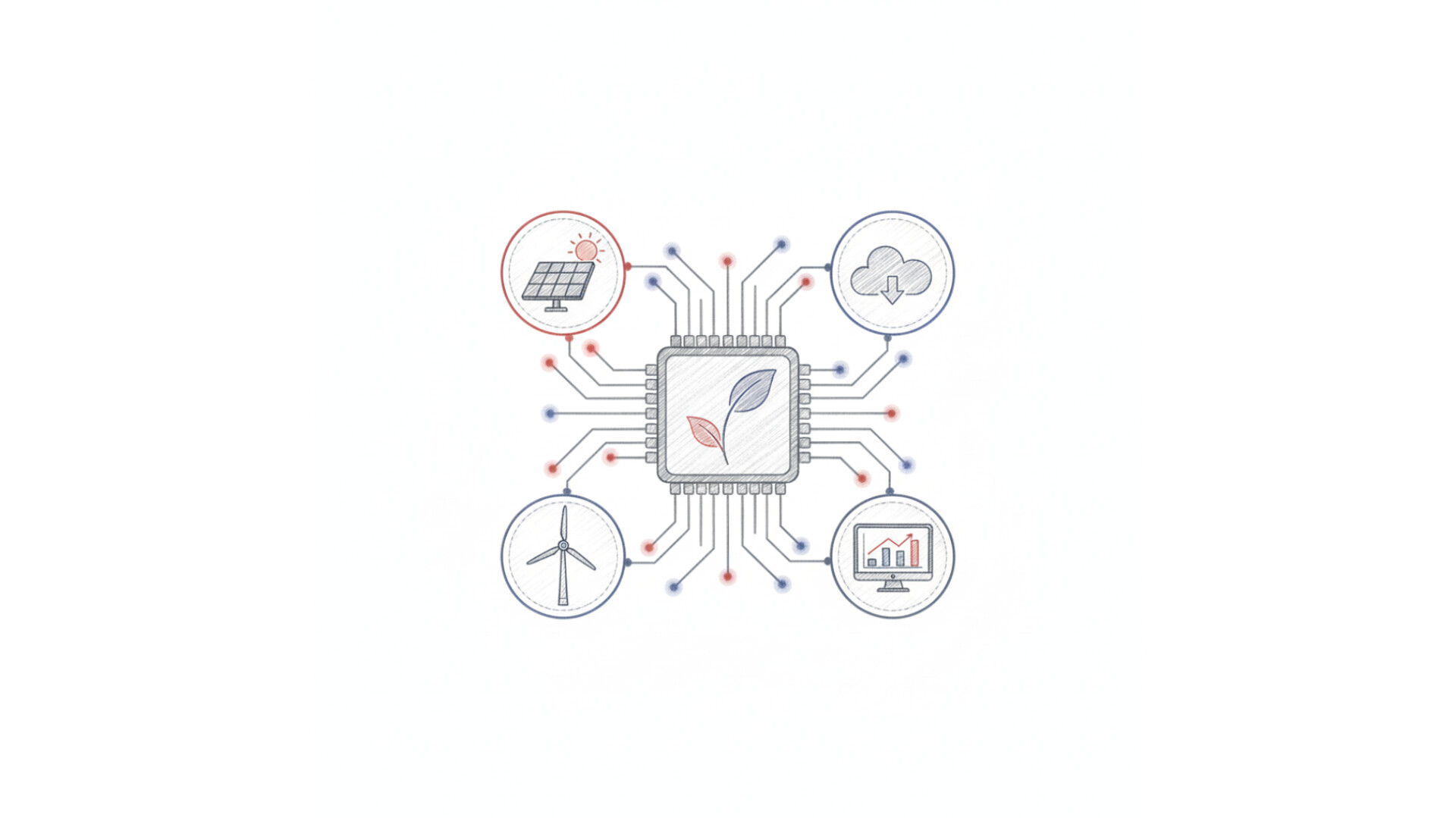
Artificial Intelligence (AI) has moved far beyond being a futuristic idea. Today, it sits at the heart of modern enterprises, shaping how industries operate, how leaders make decisions, and how customers experience products and services. From automating routine workflows to unlocking insights hidden in massive datasets, AI is powering a new era of efficiency, innovation, and growth.
Yet, behind this promise lies a challenge we cannot ignore. Training large AI models and running continuous streams of data demand vast amounts of energy. This growing appetite for power not only drives costs higher but also contributes significantly to the global carbon footprint. As organizations scale up their AI initiatives, the question is no longer just “What can AI do?” but “How can we make AI smarter, greener, and more sustainable?”
This is where the idea of sustainable AI comes in. It is not just about improving algorithms or reducing energy use, but about building systems that align with broader values of responsibility, ethics, and environmental care. Companies are starting to see that embracing sustainable AI is not only the right choice but also a competitive one. It allows them to innovate without compromise, ensuring that technological progress does not come at the planet’s expense.
A key part of this journey is AI co-creation. By working closely with an AI consulting team from the very beginning, businesses can design AI solutions that balance performance with sustainability. This collaborative approach ensures that efficiency and responsibility are baked into the AI roadmap, rather than added as an afterthought. The result is smarter innovation, built hand in hand with environmental consciousness.
What is Sustainable AI?
Sustainable AI is the practice of designing and deploying AI systems that minimise their environmental impact while still delivering strong business results. This means optimising algorithms, reducing energy consumption, and using eco-friendly infrastructure whenever possible.
It also means embedding responsibility into the way AI is planned and executed. With the help of AI strategy consulting and AI roadmap services, organisations can align innovation with sustainability, creating value for both their business and the world around them.
Why Enterprises Need Sustainable AI
AI is growing at a speed never seen before, but its energy needs are growing just as fast. Research has shown that training a single large AI model can emit as much carbon as several cars over their lifetimes. For companies looking to scale responsibly, this is a wake-up call.
By embracing sustainable AI, businesses can reduce long-term costs, strengthen their reputation, and show a genuine commitment to social responsibility. Customers, investors, and regulators are all paying closer attention to sustainability, making it a competitive advantage for organisations that act early.
Practical Ways to Build Sustainable AI
The good news is that building sustainable AI doesn’t mean slowing down innovation. Instead, it’s about making smarter choices:
Optimizing Algorithms
One of the most effective ways to achieve sustainable AI is by creating leaner and more efficient algorithms. Smarter models can deliver the same or even better results while consuming less energy. This shift reduces the environmental footprint while keeping performance levels high.
Green Infrastructure
Sustainable AI also depends on the foundations it runs on. By using renewable-powered data centers and energy-efficient cloud systems, organizations can significantly lower carbon emissions. Investing in greener infrastructure ensures that innovation does not come at the expense of the planet.
Workflow Automation
AI automation services can streamline workflows, cutting down on waste and redundancy. Smarter processes save both time and resources, making daily operations more efficient. This approach not only boosts productivity but also aligns with sustainability goals.
AI Co-Creation
Working hand in hand with an AI consulting team can help businesses balance innovation with sustainability from the very beginning. Co-creating AI systems ensures that performance, scalability, and environmental responsibility are all considered. Early collaboration builds stronger, future-ready solutions.
These small shifts can add up to a big impact, helping businesses meet both their growth goals and their environmental commitments. Refer to the real-time use cases of AI co-creation to learn more about sustainable AI integration experiences.
Real-World Use Cases of Sustainable AI
Sustainable AI isn’t just theory. It is already reshaping industries. Here are a few examples:
Energy Management
AI can play a major role in predicting energy demand in offices and factories. By forecasting usage patterns, businesses can optimize their energy consumption in real time. This leads to lower costs, reduced waste, and a smaller carbon footprint.
Smart Supply Chains
AI automation services are transforming supply chains by reducing inefficiencies and cutting down on waste. Smarter transport planning and resource allocation help minimize emissions. The result is a supply chain that is faster, leaner, and more sustainable.
Predictive Maintenance
AI solutions make it possible to detect problems in equipment before they become costly failures. By spotting potential issues early, businesses avoid downtime and unnecessary resource use. This predictive approach saves money while reducing waste.
Sustainable Finance
AI use cases in finance are helping organizations support ESG-driven investment strategies. By analyzing vast amounts of data, AI can highlight sustainable opportunities and risks. This empowers businesses to make smarter, greener financial decisions.
These examples show how partnering with an AI implementation partner can help organisations embed sustainability directly into their operations. Browse our industry-specific strategic report for more information.
Challenges Along the Way
Transitioning to sustainable AI isn’t always easy. Companies often lack clear guidance on how to balance innovation with environmental responsibility. Costs for greener infrastructure can also be higher upfront. And there’s a growing need for professionals who understand both AI technology and sustainability.
But with the right AI consulting team and a well-defined roadmap, these challenges can be overcome. It requires vision, planning, and a commitment to doing business responsibly.
The Future of Sustainable AI
Looking ahead, sustainable AI will only become more important. Governments are tightening emissions regulations, while investors and customers increasingly demand greener solutions. Companies that adapt now will not only reduce costs but also build stronger, more resilient brands.
AI roadmap services and strategy consulting will play a vital role in helping enterprises put sustainability at the heart of innovation. Tomorrow’s leading companies won’t just be defined by how advanced their AI is, but by how responsibly they deploy it.
Conclusion
Sustainable AI is no longer a “nice to have.” It’s a must for businesses that want to grow while safeguarding the planet. By embracing AI solutions, workflow automation, and AI strategy consulting with a sustainability lens, organisations can create smarter, greener, and more future-ready enterprises.
If you’d like to explore how sustainable AI can transform your organisation, let’s talk or visit our website to learn how we can help as your AI implementation partner.
FAQs
1. What is Sustainable AI, and why is it important for modern enterprises?
Sustainable AI is the practice of designing, developing, and deploying Artificial Intelligence (AI) systems that minimize their environmental impact, particularly their carbon footprint and energy consumption, while still delivering strong business results. It’s important because the energy required for training and running large AI models is rapidly increasing, contributing significantly to global emissions. Embracing Sustainable AI allows enterprises to reduce long-term costs, meet regulatory demands, and demonstrate a genuine commitment to ESG (Environmental, Social, and Governance) goals, making it a competitive advantage.
2. How can organizations practically implement a Sustainable AI strategy?
Practical implementation involves three key areas:
- Optimizing Algorithms
Creating leaner, more efficient AI models that require less computational power and energy to achieve the same or better performance.
- Utilizing Green Infrastructure
Deploying AI on renewable-powered data centers and energy-efficient cloud systems to lower carbon emissions.
- Adopting AI Co-Creation
Working with an AI consulting team from the start to embed efficiency and environmental responsibility directly into the AI roadmap and design process, ensuring sustainability is not an afterthought.
3. What is AI Co-Creation, and how does it relate to building greener AI systems?
AI Co-Creation is a collaborative approach where a business partners closely with an AI consulting or implementation partner from the initial strategy and design phase. In the context of building greener AI systems, co-creation ensures that performance, scalability, and environmental responsibility are balanced and factored into the AI roadmap simultaneously. This early collaboration is crucial for designing sustainable AI solutions that are efficient by design, preventing costly and energy-intensive retrofitting later.
4. Can Sustainable AI help reduce business costs and improve efficiency?
Yes, absolutely. While initial costs for greener infrastructure might be higher, Sustainable AI leads to long-term cost reduction in several ways:
- Lower Energy Bills: Optimized algorithms and energy-efficient infrastructure directly reduce power consumption.
- Workflow Automation: AI automation services streamline processes, cutting down on waste, redundancy, and resource use.
- Predictive Maintenance: AI detects equipment issues early, avoiding expensive failures, downtime, and unnecessary resource replacement.
5. What are real-world examples of Sustainable AI in action?
Sustainable AI is actively transforming various sectors:
- Energy Management
AI forecasts energy demand in buildings and factories, enabling real-time optimization and reducing waste.
- Smart Supply Chains
AI automation optimizes logistics and transport planning, minimizing emissions and making the chain leaner.
- Sustainable Finance
AI analyzes vast data to support ESG-driven investment strategies, highlighting sustainable opportunities for greener financial decisions.
6. What role do AI Strategy Consulting and AI Roadmap Services play in sustainability?
AI strategy consulting and AI roadmap services are vital for embedding sustainability into an enterprise's AI vision. They provide the necessary guidance and framework to:
- Align Innovation
Ensure that new AI initiatives meet both business growth objectives and environmental commitments.
- Overcome Challenges
Help businesses navigate the lack of clear guidance and the need for specialized skills in balancing AI performance with environmental responsibility.
- Future-Proofing
Position the company to adapt to tightening emissions regulations and increasing investor/customer demand for greener solutions.