
AI in Healthcare
Smart on FHIR: What It Is and How It Works in Practice
Smart on FHIR guide for healthtech engineers. Learn the OAuth 2.0 launch model, scope syntax, backend services, and US regulatory requirements.
October 14, 2026Read more
Learn the key difference between AI adoption and AI enablement, and how enterprises can move beyond implementation to achieve scalable results.
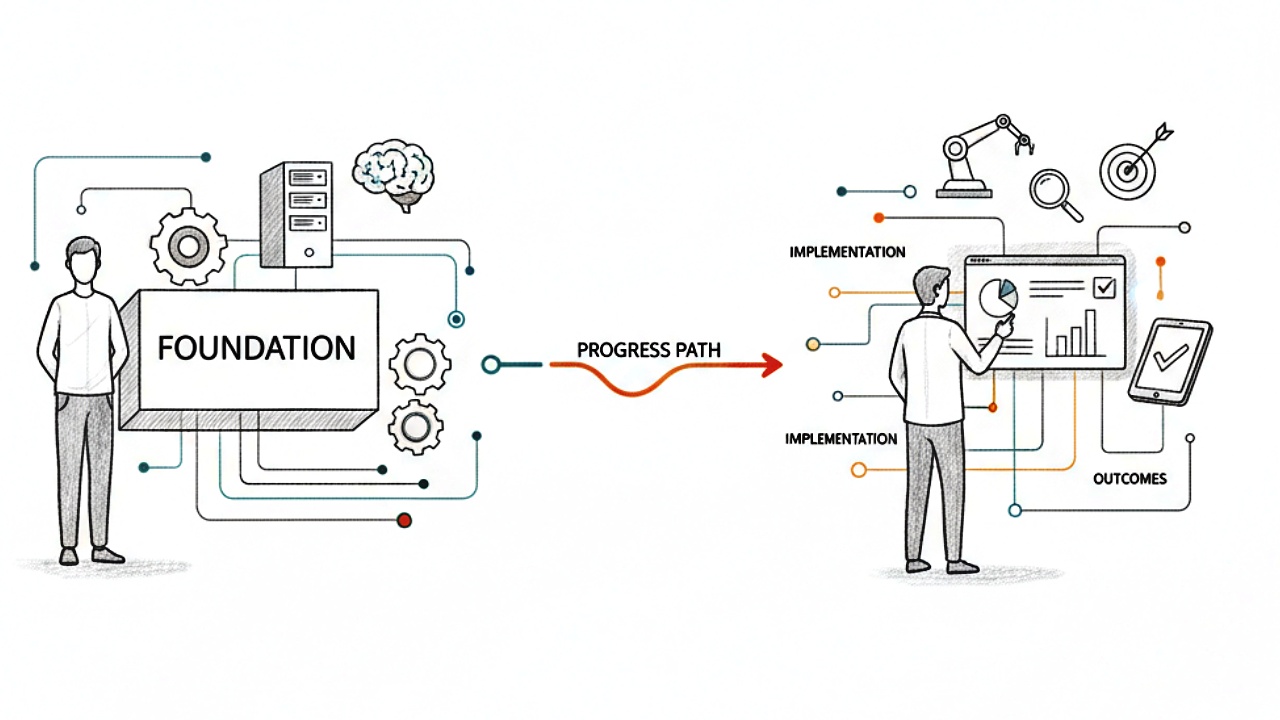
AI projects often begin with a strong interest but lose pace along the way. The issue is rarely the technology itself. In most cases, the confusion comes from treating two different ideas as one. Using AI in daily work and preparing people and systems to support it are not the same thing. When this difference is unclear, efforts become scattered and unfocused. Understanding how these two approaches differ helps organizations move forward with clarity and purpose.
AI adoption is the phase where businesses actively use artificial intelligence in their work. This involves implementing AI tools, integrating them into daily tasks, and monitoring outcomes over time. The aim is to take action. Teams move from talking to doing, applying AI to clear challenges.
Most groups start by finding solid AI use cases. These could include customer support automation, demand forecasting, fraud detection, or content recommendations. Each case has a clear target, which helps the teams to track performance.
In the conversation about AI adoption vs enablement, adoption is what you can see. It is where you find dashboards, trial projects, and updates. Still, concentrating only on adoption often creates success that fades if the underlying groundwork is not addressed.
AI enablement is about creating the groundwork that allows artificial intelligence to function well across the entire organization. This requires people, procedures, and technology to work in concert. It involves training staff, establishing clear rules, and organizing data systems that support AI solutions.
If this groundwork is weak, teams may not trust what AI produces or know how to operate the tools properly. Staff might avoid new methods or stick to familiar routines. Leaders can see projects lose momentum after a strong start.
A defined approach also promotes responsible usage. Matters like data privacy, fairness, and artificial intelligence governance become part of regular work, not just afterthoughts.

The distance between adoption and preparation becomes apparent when results are poor. Simply using AI without readiness often means tools are ignored. Building readiness without action means plans stay on paper.
Groups that grasp this difference take AI step by step. They improve their foundations while gradually introducing new tools. This approach allows for steady progress.
A seasoned AI implementation partner can guide this shift. They connect technical work with business goals and help build internal skills.
Some groups move quickly to adopt tools before their people are ready. Others plan for a long time but do not take the next step. Each path creates its own problems.
Using AI without readiness leads to confusion, poor engagement, and lost investment. Building readiness without ever acting misses chances and slows momentum. The best results happen when preparation and action advance side by side.
A skilled AI implementation partner is valuable in this balance. They assist by guiding technology selection and strengthening the organization's own capabilities.
A structured AI strategy consulting process connects business objectives with technical execution. Strategy makes clear where AI has a role and where it does not. It also guides leaders on which projects to start and which to set aside.
Many groups find a custom AI strategy report useful. It lists key priorities, potential risks, and what success should look like. This report serves as a shared guide for all teams, reducing confusion in later stages.
Strategy also influences the selection of AI Solutions. Rather than chasing what is new, teams can follow a planned path that matches their vision for the future.
Progress with artificial intelligence needs to be tracked, not assumed. An AI maturity model helps groups see their current position and identify the next moves. It points out weaknesses in skills, data, and management.
An AI readiness assessment typically occurs before major spending. It provides a realistic view of existing abilities and helps avoid overly ambitious plans.
With a clear view of readiness, leaders can create an AI adoption roadmap. This plan mixes easy early successes with important long-term building blocks. It ties what you do today to where you want to be tomorrow.
Good AI enablement builds trust in every team. Staff see how AI aids their work instead of threatening it. Leaders have a better grasp of risk and rules. Technical groups operate with improved data and defined processes.
This foundation allows adoption efforts to grow smoothly. When new tools arrive, teams adjust quickly and have more faith in the results. AI becomes part of everyday decisions, moving beyond a one-time initiative.
The core difference between AI adoption and AI enablement lies in action compared to preparation. The first one is about using the tools. The second involves preparing the organization to support those tools over the long term. When these two advance together, AI work becomes more sustainable, reliable, and worthwhile.
Groups that focus on clear strategy, foundational readiness, and consistent action see stronger results from their AI investments. If you are mapping your next phase or reviewing existing work, contact us to discuss how a balanced approach can help meet your objectives.
AI adoption is using AI solutions in daily tasks, while AI enablement prepares people, processes, and systems to support AI effectively.
It builds trust, trains staff, and organizes data, ensuring AI adoption is sustainable and reliable across the organization.
Through AI strategy consulting and a custom AI strategy report, companies can prioritize projects that align with business goals.
They evaluate current capabilities and guide improvements, forming a strong foundation for an AI adoption roadmap.
Partners help integrate AI solutions, connect strategy with execution, and strengthen internal skills for smooth adoption and enablement.
Smart on FHIR guide for healthtech engineers. Learn the OAuth 2.0 launch model, scope syntax, backend services, and US regulatory requirements.
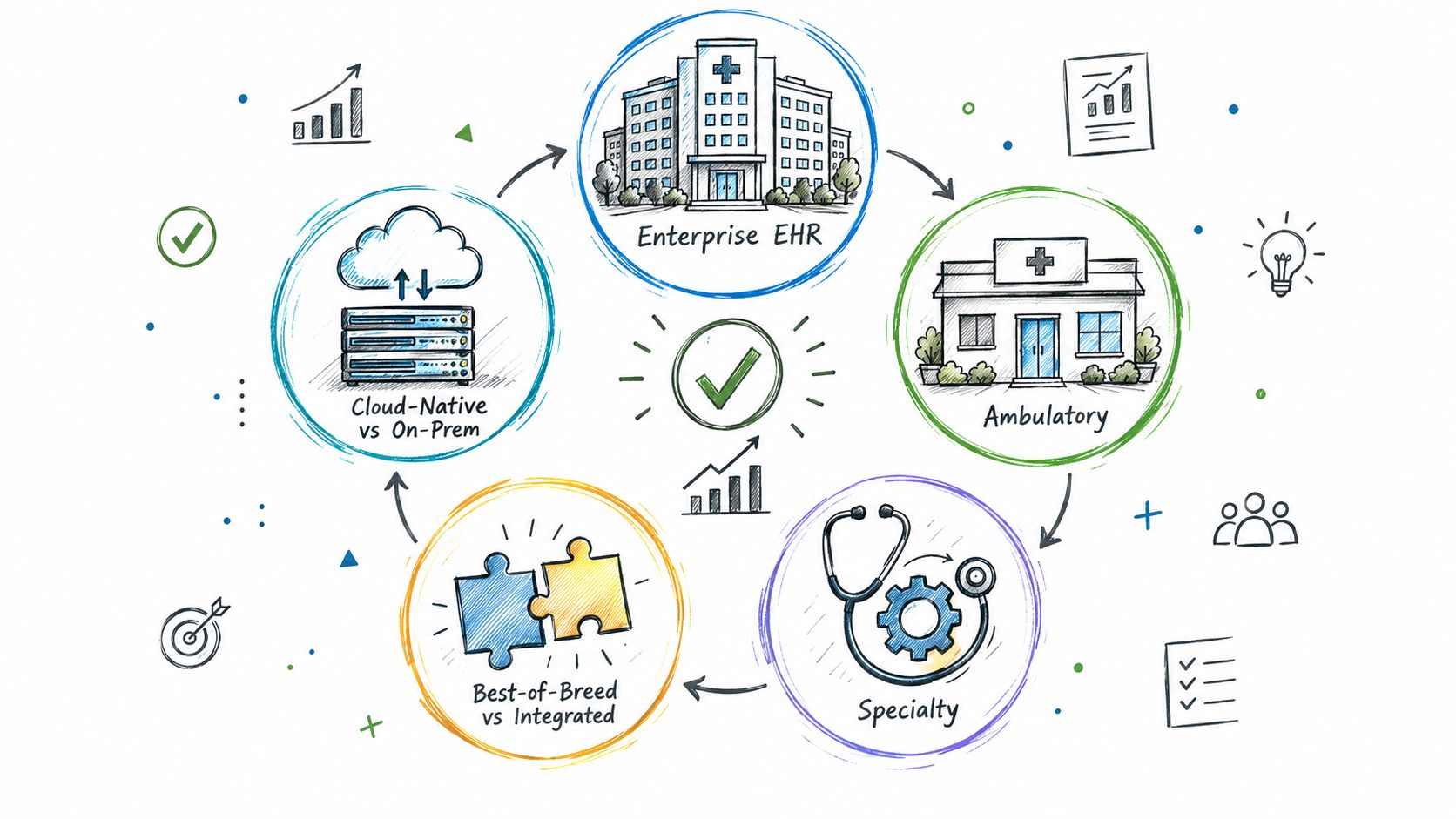
Explore the types of EHR systems by deployment model, care setting and scope. Compare integration options, trade-offs and selection tips for healthtech teams.
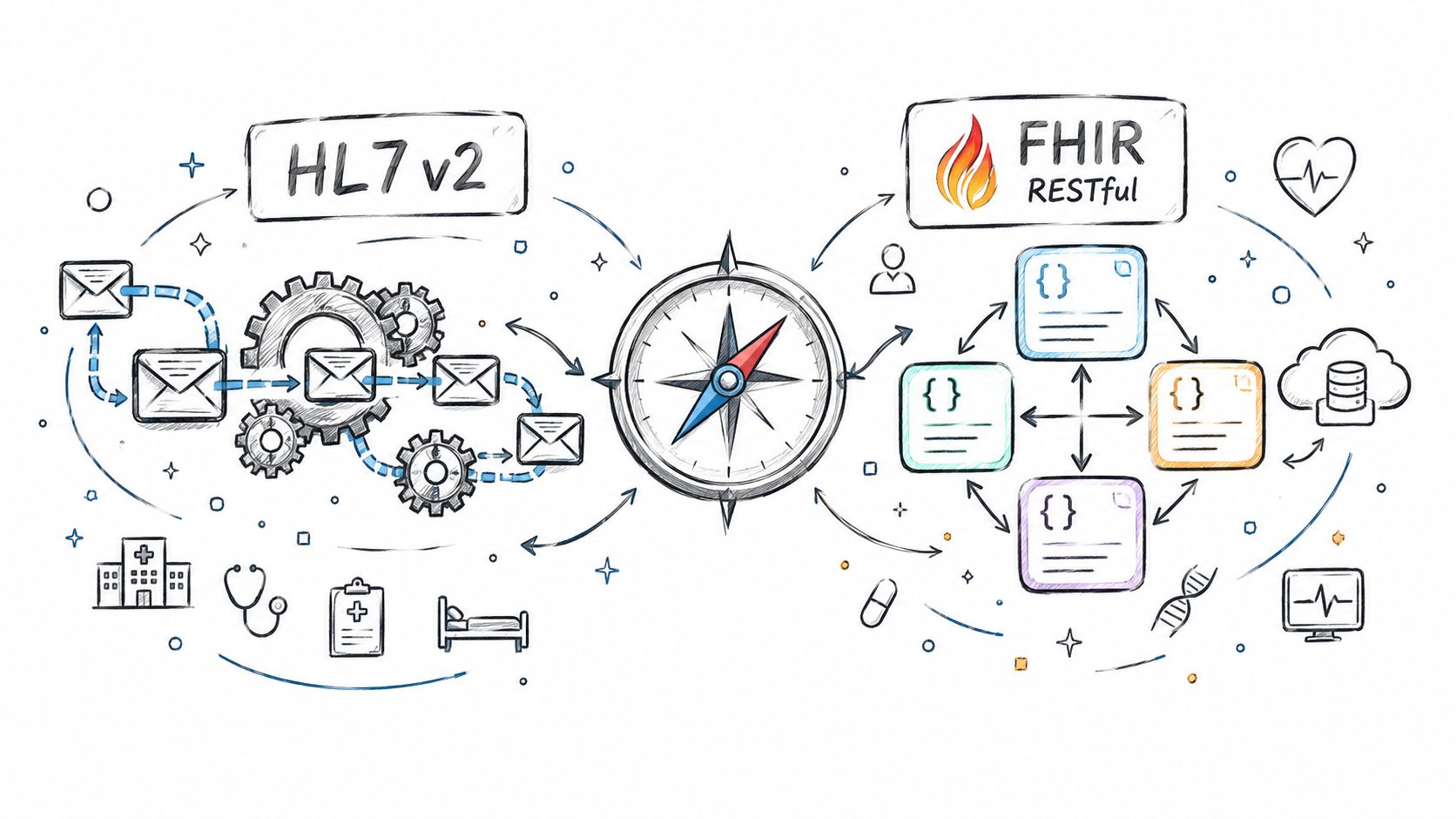
Compare Fhir vs. hl7 standards for healthtech integration. See how HL7 v2 and FHIR differ in use, mechanics, regulation, and real-world architecture.
Connect with our team to explore how AI expertise can transform your business.