AI in Healthcare
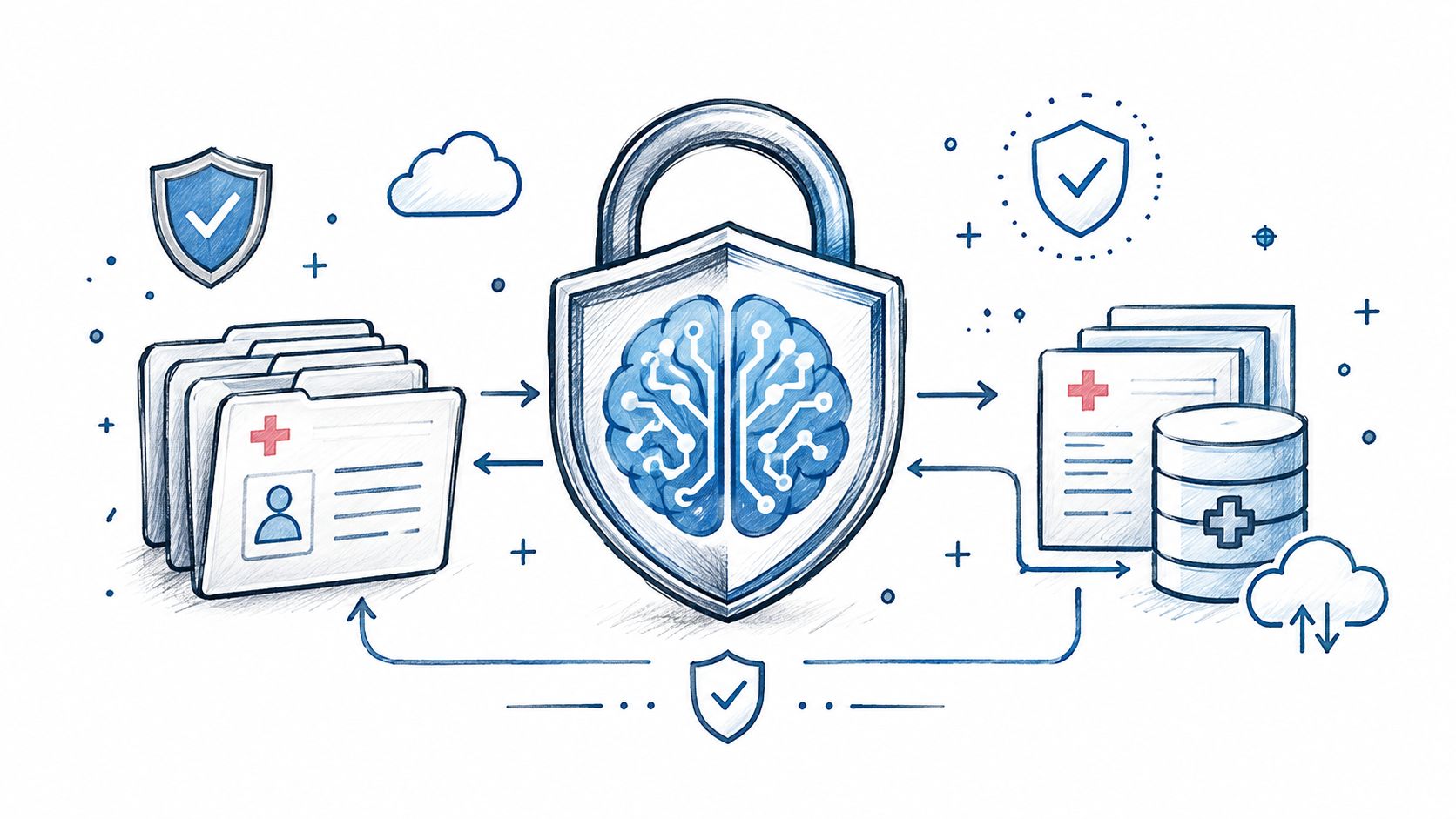
HIPAA-Compliant AI: How to Use LLMs With PHI Safely
How to build HIPAA-compliant AI: when LLM providers need a BAA, data minimization, de-identification, audit controls and a reference architecture.
October 16, 2026Read more
Discover how workflow intelligence streamlines home healthcare, boosts caregiver productivity, improves coordination, and enhances patient care.
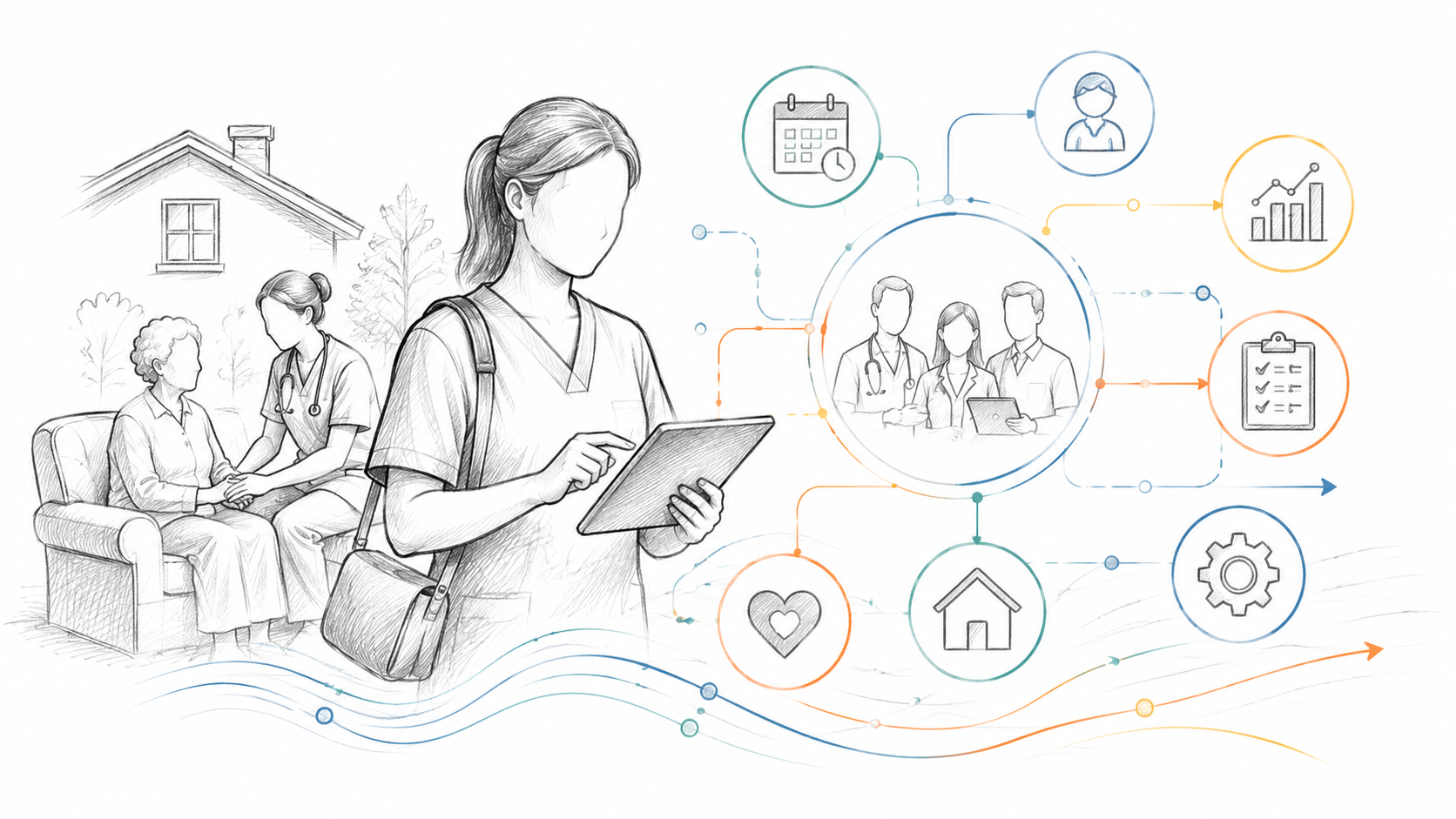
Home healthcare continues to expand as more people prefer receiving care in the comfort of their own homes. This shift places new responsibilities on agencies, caregivers, and administrators who manage daily care. Tasks such as paperwork, complex scheduling, communication delays, and staffing shortages often take time away from direct patient care.
Healthcare workflow intelligence offers a practical way to manage these challenges. By bringing together automation, clear data insights, real-time visibility, and informed decision-making, agencies can simplify everyday processes. With smarter workflows in place, teams can focus more on patients while maintaining consistent quality across every stage of care delivery.
Healthcare workflow intelligence is about connecting people, processes, and technology to make daily work in healthcare run more smoothly. It brings together automated tasks, real-time information, performance tracking, and guided actions that support everyday operations. With a connected workflow in place, teams can cut down delays, improve coordination, and manage responsibilities with greater efficiency.
Traditional workflows often depend on manual updates, paper records, phone calls, and separate systems. These methods slow down communication and make it harder for teams to access patient information quickly. Modern workflow intelligence creates a connected environment where the right information reaches the right people at the right time. This reduces communication gaps and gives managers clearer visibility into operations. A skilled healthtech engineering partner can help design and implement these intelligent workflows to ensure they align with real clinical needs and existing systems.
In-home healthcare workflow intelligence makes coordination easier across visits, documentation, referrals, and patient communication. Caregivers and administrators gain access to accurate information throughout the care journey, enabling them to respond more quickly to patient needs. As a result, agencies can raise productivity, maintain service quality, and bring more order to the way home healthcare is delivered.

Caregivers spend much of their day filling out forms, updating patient records, and meeting compliance requirements. These tasks take valuable time away from direct patient care and reduce the hours available for meaningful interaction. Many healthcare AI services now offer solutions that automate documentation and reduce this administrative load, allowing caregivers to focus more on patients.
When scheduling is handled manually, it often leads to overlapping visits, travel delays, or uneven workloads. Even small errors in planning can affect caregivers and patients throughout the day, creating unnecessary stress and inefficiency.
Care teams often rely on information coming from different sources. When updates are slow or incomplete, caregivers, patients, and office staff may face confusion. This lack of clarity disrupts coordination and can affect the continuity of care.
Patient numbers continue to rise across many regions, while staffing levels remain tight. Agencies are under constant pressure to manage larger caseloads with fewer caregivers, which makes productivity challenges even more difficult to overcome.
Digital records and automated forms reduce repetitive data entry. Teams spend less time searching for information and have more time to focus on patient care. A well-structured custom AI strategy report helps agencies identify which administrative tasks to automate first for the greatest efficiency gains.
Smart scheduling tools match caregiver availability with patient needs and travel routes. This reduces downtime and creates a fairer balance of work across the team.
When caregivers, coordinators, and administrators share the same view of patient information, communication becomes faster and smoother. Quick access to updates supports seamless care transitions and stronger continuity.
Managers gain a clear view of workforce performance, service trends, and daily operations. With healthcare workflow intelligence, teams can spot delays, assign resources more effectively, and respond quickly to changing demands.
Referral intake often involves multiple steps and several people. Workflow automation speeds up information exchange, reduces waiting times, and creates a smoother path from referral to care delivery.
Caregivers often spend much of their day on paperwork, updating records, and managing administrative tasks. Workflow intelligence reduces the time spent on these activities by automating steps and simplifying processes. This gives caregivers more time with patients, helps them manage schedules more effectively, and makes daily responsibilities easier to handle.
A well-organized workflow contributes directly to the patient experience. When appointments are scheduled accurately, information is shared promptly, and care teams remain connected, patients receive more consistent and timely care. Improved communication also reduces confusion and creates a smoother experience throughout the care journey, from referral and onboarding to ongoing treatment and follow-up visits.
A well-structured workflow directly improves the patient experience. When appointments are scheduled correctly, information is shared quickly, and care teams stay connected, patients receive timely and consistent care. Clear communication also reduces confusion and creates a smoother journey from referral and onboarding through treatment and follow-up.
Heavy workloads and repetitive tasks can place pressure on caregivers and support staff. Workflow intelligence simplifies routine activities, balances workloads, and gives teams clearer visibility into daily operations. A more organized environment reduces stress and contributes to higher job satisfaction.
Home healthcare providers must keep accurate records and meet regulatory requirements. Workflow intelligence supports consistency through standardized processes and automated documentation. This reduces errors, improves data accuracy, and strengthens compliance by keeping records clear and well-organized for audits, reporting, and quality checks. Many SaMD solutions are now designed to support these documentation and compliance needs directly within clinical workflows.
Identify Workflow Bottlenecks: Start by reviewing current processes to find delays, repetitive tasks, and communication gaps that reduce productivity.
Prioritize High-Impact Processes for Automation: Focus on areas such as scheduling, referrals, documentation, and reporting where automation can bring clear improvements.
Ensure System Integration and Data Accessibility: Connected systems create a steady flow of information across teams and departments, making coordination easier.
Train Staff for Technology Adoption: Simple and clear training sessions help staff feel comfortable with new tools, stay engaged, and use them correctly in daily work.
Continuously Monitor and Optimize Performance: Regular reviews of performance provide insights that guide ongoing workflow improvements and support operational growth.
The next stage of workflow intelligence will bring stronger use of predictive planning, advanced automation, and more personalized care pathways. Real-time visibility will continue to guide workforce planning and patient care decisions. As technology grows, agencies will gain deeper insights across every step of care delivery. This evolution marks a significant shift in how digital healthcare operations are managed, moving from reactive coordination to proactive, data-driven management.
Future workflow systems are expected to provide a more connected view of patients, caregivers, schedules, and clinical information throughout the care journey. With faster access to clear insights, healthcare organizations can respond more effectively to changing patient needs, allocate resources more accurately, and improve coordination across care teams. This progress will lead to a more efficient, data-driven approach to managing home healthcare and delivering services.
Home healthcare providers face rising demands, complex workflows, and higher expectations for quality care. Healthcare workflow intelligence offers a clear way to improve productivity by connecting processes, automating routine tasks, and using real-time insights to guide decisions.
Agencies that adopt intelligent workflows can strengthen caregiver satisfaction, improve patient experiences, and raise overall performance across the care journey. Contact us to learn more about workflow-driven approaches that support modern home healthcare.
A: Healthcare workflow intelligence uses data, automation, and analytics to improve clinical and administrative processes across digital healthcare operations.
A: A healthtech engineering partner helps healthcare organizations design, integrate, and modernize systems that improve efficiency and operational analytics.
A: Healthcare AI services automate routine tasks, provide insights from data, and support faster decision-making across care and operational teams.
A: A custom AI strategy report identifies workflow gaps, technology opportunities, and implementation priorities to support long-term digital healthcare operations.
A: SaMD solutions enable digital monitoring, data analysis, and clinical support tools that enhance workflow visibility and operational performance.
How to build HIPAA-compliant AI: when LLM providers need a BAA, data minimization, de-identification, audit controls and a reference architecture.
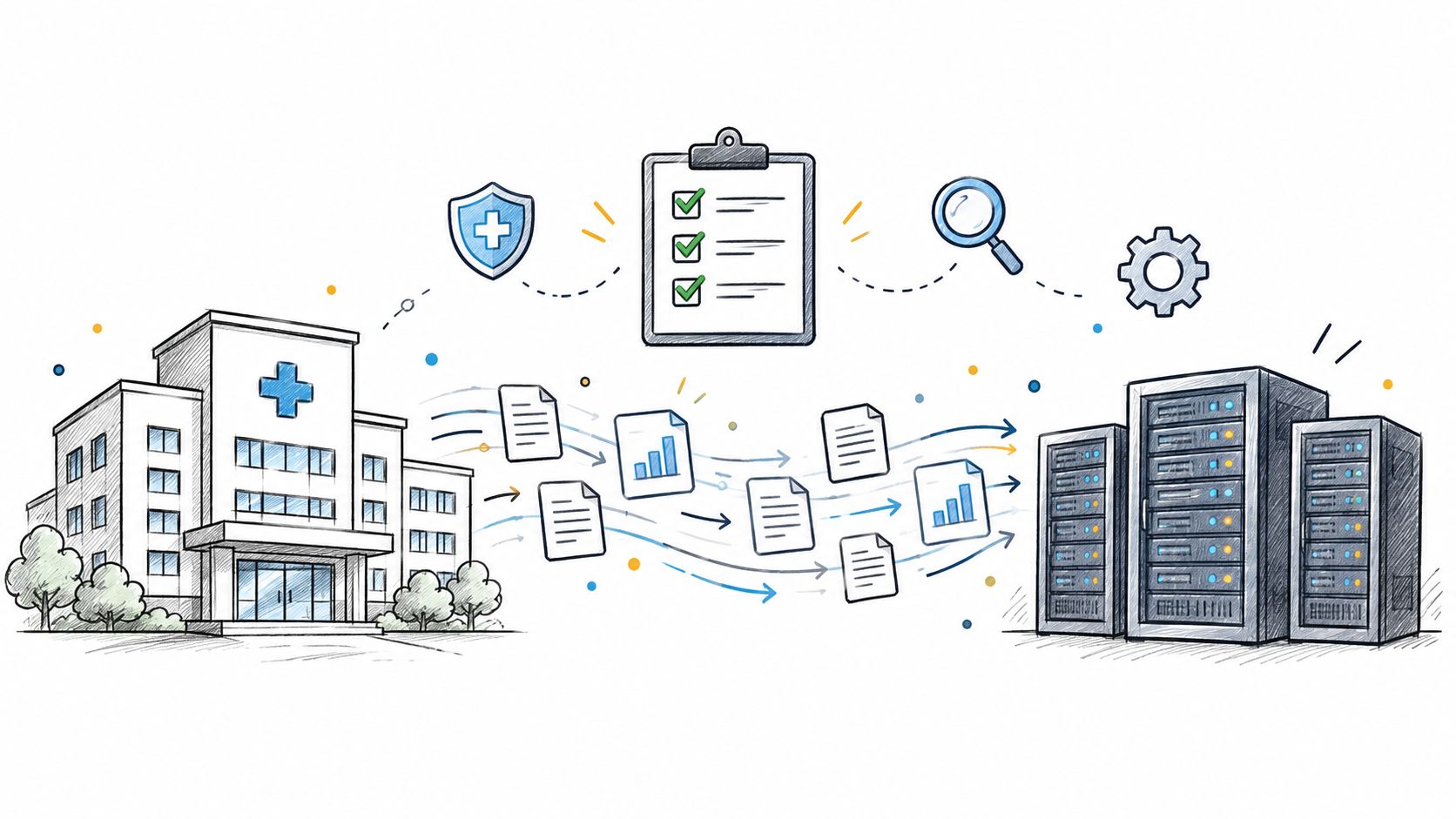
Practical data migration planning guide for healthcare teams. Scope, mapping, compliance, validation, cutover and rollback decisions explained end to end.
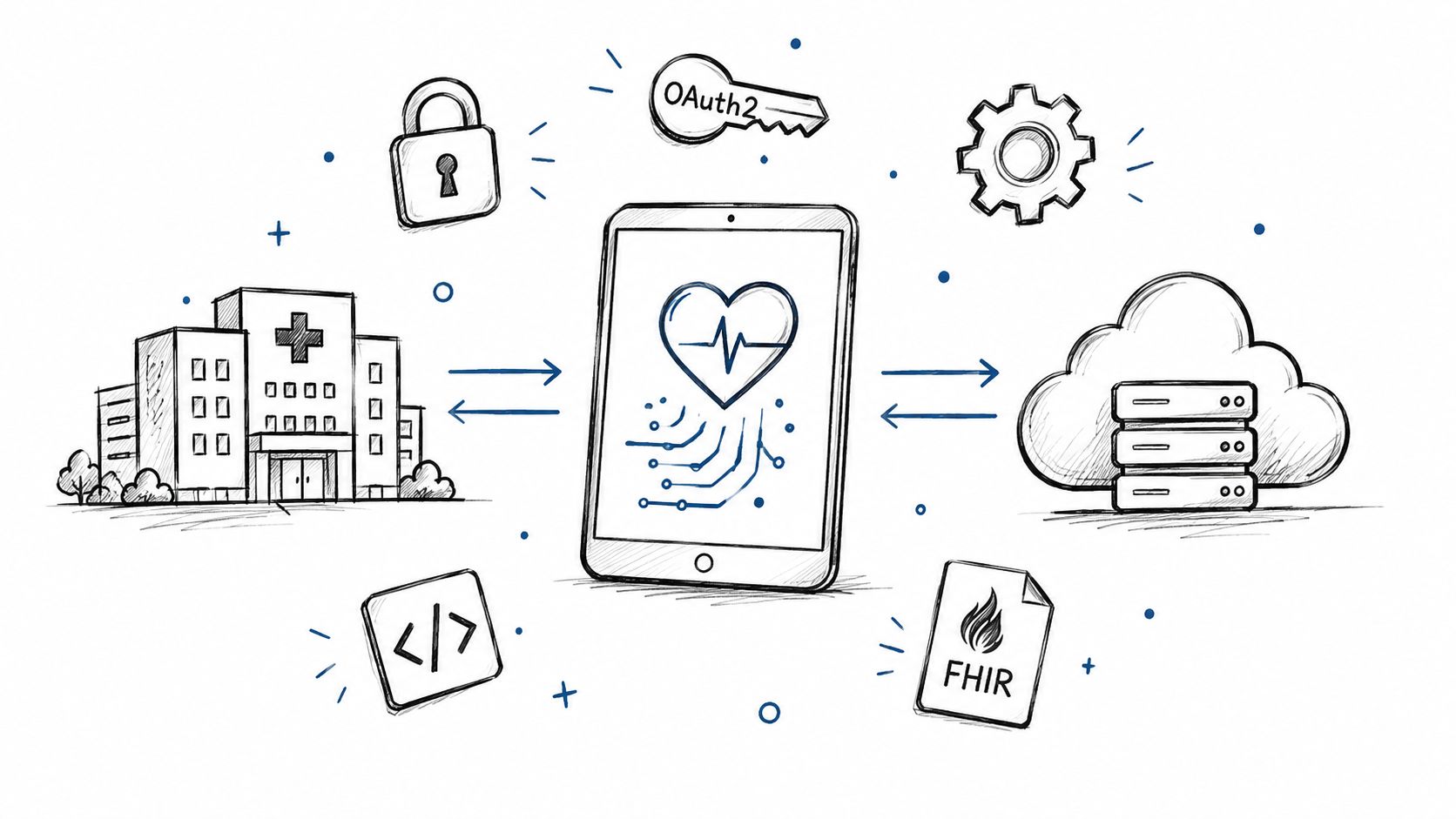
Smart on FHIR guide for healthtech engineers. Learn the OAuth 2.0 launch model, scope syntax, backend services, and US regulatory requirements.
Connect with our team to explore how AI expertise can transform your business.