AI in Healthcare
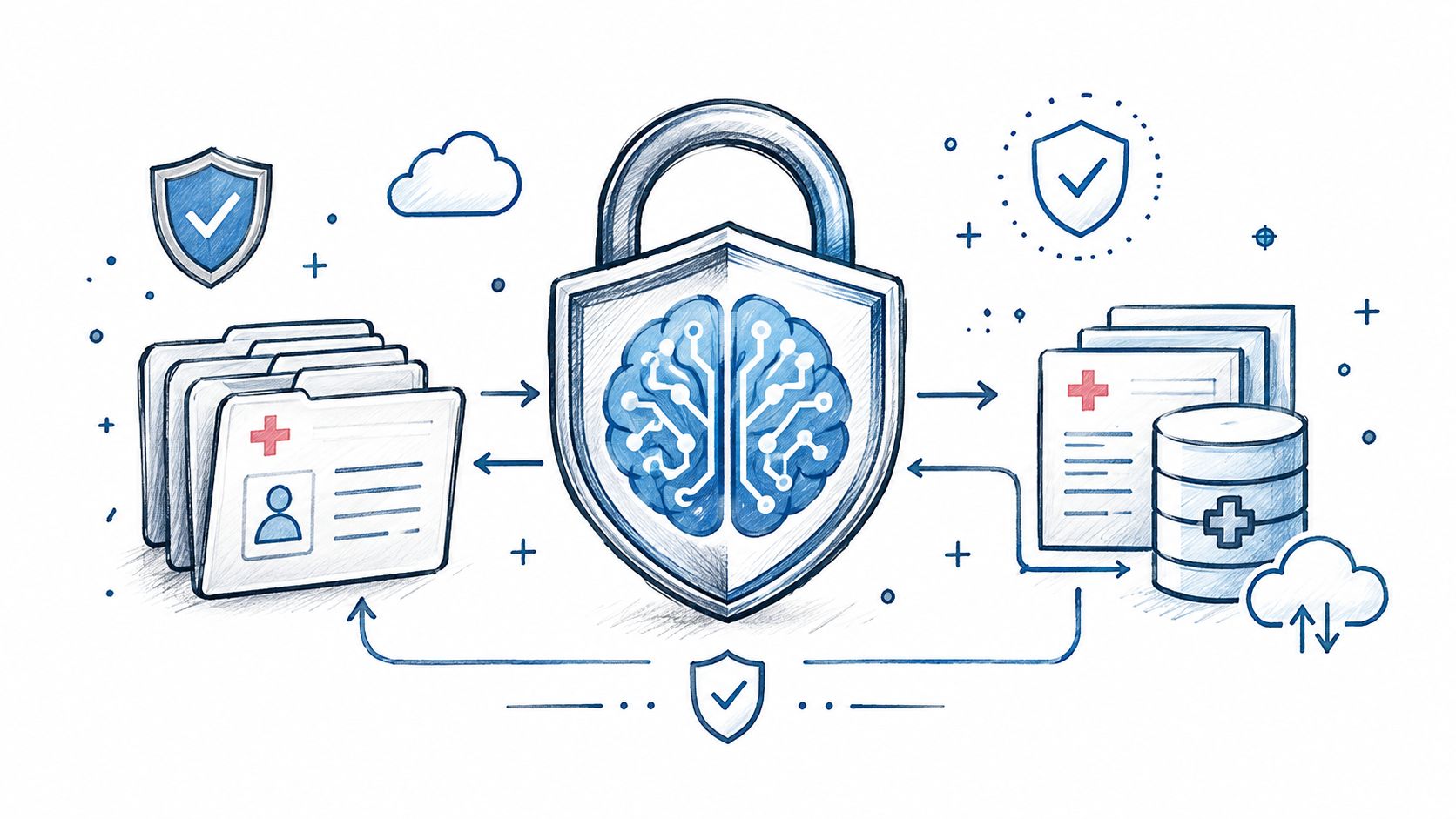
HIPAA-Compliant AI: How to Use LLMs With PHI Safely
How to build HIPAA-compliant AI: when LLM providers need a BAA, data minimization, de-identification, audit controls and a reference architecture.
October 16, 2026Read more
AI-powered care navigation is transforming post-acute healthcare by improving coordination, tracking recovery, and guiding patients through treatment pathways. It enhances efficiency, reduces gaps in care, and supports better outcomes.
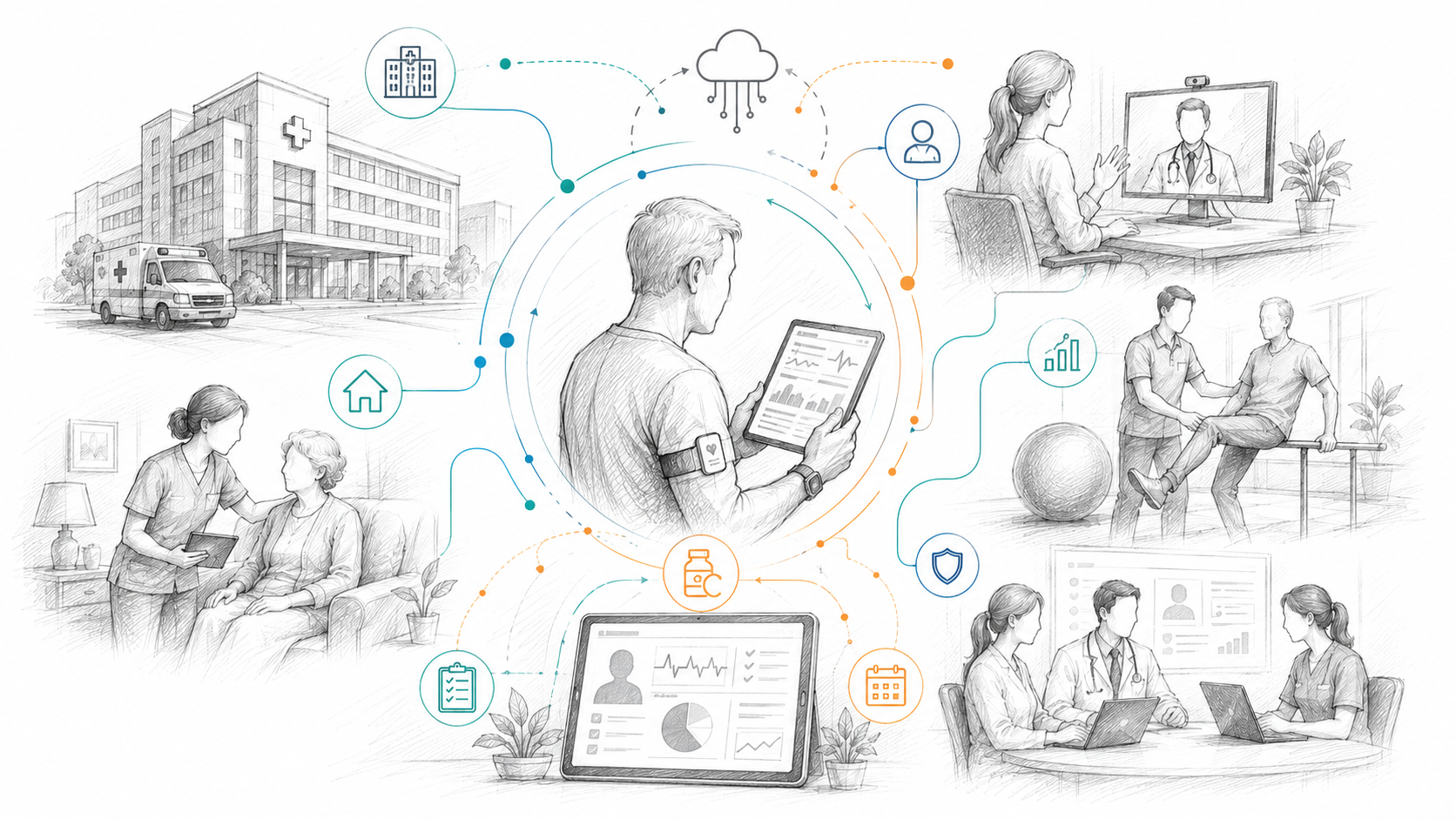
Patient care continues well beyond the hospital stay. Recovery often involves therapy, medication schedules, follow-up visits, and daily monitoring across different care settings. Post-acute healthcare now plays a larger role in recovery, especially for older adults, people healing after surgery, and those living with chronic conditions. AI care navigation is becoming part of this journey, guiding recovery through digital communication, patient tracking, and connected updates shared across care teams.
A person recovering from surgery may meet several healthcare providers within weeks of leaving the hospital. One day could include a virtual appointment with a doctor, a rehabilitation session, reminders to take prescribed medicine, and a nurse visiting at home. Families remain closely involved during this stage, often coordinating with multiple professionals.
Connected recovery systems now bring these interactions together, creating smoother communication between hospitals, caregivers, rehabilitation specialists, and outpatient services. With the growing use of healthcare AI services, this digital coordination is reshaping how post-acute healthcare works across modern recovery settings.
Post-acute healthcare means the medical support patients receive once they leave a hospital. This recovery period can happen after a surgical procedure, a major health episode, a physical trauma, or an extended course of medical care. Care during this phase happens in different places, such as a patient's home, rehabilitation centres, skilled nursing facilities, or outpatient programmes. Health systems now spread recovery services across multiple locations because more patients are being admitted to hospitals, recovery times are longer, and the overall demand for care has increased.
Take the example of a patient recovering from hip surgery. They may leave the hospital just a few days after the procedure. Recovery then continues with physical therapy, visits from nurses, checks on their medications, and follow-up appointments with doctors. Family members often take over the responsibility of booking appointments, arranging travel, and staying in touch with different healthcare providers during this time. Good communication between everyone involved is essential at every step of recovery.
As recovery care expands across more locations, the need for well-connected healthcare systems has grown. Hospitals, doctors, nurses, rehabilitation teams, and family caregivers all need to receive the same updates about how the patient is doing. Delays in sharing information can lead to confusion about when to take medication, how therapy is progressing, or what follow-up care is needed.
To address these challenges, many healthcare groups now work with a healthtech engineering partner to strengthen digital communication across recovery teams, patient records, and telehealth systems in post-acute care environments.

Recovery now continues across home care, rehabilitation centers, outpatient clinics, and skilled nursing facilities. Patients often spend fewer days in hospitals and continue treatment through connected recovery programs after discharge.
During recovery, patients may receive care from several teams. Doctors, nurses, therapists, and caregivers all need updated information at each stage to keep recovery on track.
Moving a patient from a hospital to a recovery facility works best when everyone shares information clearly. Details about medications, therapy timings, discharge summaries, and follow-up care need to reach every person involved in the patient's treatment without any delay.
When healthcare systems are disconnected, important updates may be missed, appointments may be delayed, and recovery can become confusing. Patients and families often struggle when providers do not share clinical information.
AI-powered care navigation refers to digital systems designed to guide patients through recovery after leaving the hospital. These systems follow patient activity, clinical observations, medication schedules, appointment reminders, and communication between care teams.
For instance, a patient healing from cardiac care might require routine blood pressure monitoring, medication assessments, therapy appointments, and visits with their doctors. Digital recovery systems collect information from different sources and share updates with healthcare professionals. This process creates smoother communication and keeps recovery management organized.
Many healthcare teams now request a custom AI strategy report before starting large digital recovery projects. These reports often review patient flow, communication patterns, remote monitoring needs, and future digital planning across post-acute care programs.
Post-acute care technology now connects hospitals, rehabilitation teams, home care providers, and outpatient services through shared digital platforms. Patient records, recovery plans, appointment schedules, and clinical updates are available across different recovery settings.
Modern recovery systems manage patient tasks, follow-up schedules, discharge updates, and caregiver communication through connected digital workflows. These systems reduce delays during patient transitions after leaving the hospital.
Healthcare teams use AI-powered monitoring tools to observe recovery, track patient risks, and receive remote clinical updates. These tools review patient conditions continuously and alert care teams when recovery patterns change.
Recovery often involves several providers across multiple locations. Post-acute care technology creates connected patient journeys through telehealth platforms, digital communication systems, and shared recovery updates among healthcare professionals.
Digital coordination platforms organize discharge planning, patient outreach, appointment tracking, and follow-up communication through automated workflows. Providers gain faster access to patient information during recovery management.
Recovery care often involves physicians, nurses, rehabilitation specialists, caregivers, and outpatient providers. Connected digital systems bring patient information together across these groups through shared communication platforms.
Care teams can access discharge summaries, therapy updates, medication schedules, and recovery notes through connected records. Faster information flow reduces confusion when patients move between different care settings.
Healthcare organizations are now investing in intelligent care coordination, with AI care navigation playing a growing role in recovery planning, patient communication, and connected clinical management across post-acute healthcare systems. Many providers are also exploring SaMD solutions to strengthen monitoring, streamline recovery observation, and improve clinical response during this stage of care.
Healthcare systems now combine telehealth platforms, AI systems, patient records, and recovery tracking tools within one connected environment.
Doctors, nurses, therapists, and caregivers receive faster access to patient information during recovery care.
Digital coordination creates smoother communication across different recovery settings.
Hospitals, rehabilitation centers, outpatient clinics, and home care providers now work through shared digital systems.
Connected healthcare environments reduce delays in patient updates and follow-up communication.
Care teams remain informed about therapy progress, medication schedules, and recovery observations.
Patients now interact with healthcare providers through virtual consultations, mobile alerts, remote monitoring systems, and digital recovery updates.
Families receive appointment reminders, medication notifications, and recovery instructions through connected platforms.
Digital communication creates clearer recovery experiences after hospital discharge.
Post-acute healthcare continues expanding across home-based recovery programs and virtual care environments.
AI-driven recovery coordination is becoming part of long-term healthcare planning.
Digital ecosystems now shape the future direction of connected patient recovery management.
Post-acute healthcare now includes connected recovery systems across hospitals, rehabilitation centers, outpatient programs, and home care services. AI care navigation continues to shape recovery by supporting digital communication, patient monitoring, and coordinated updates across care teams. These connected systems are becoming increasingly important in modern healthcare delivery. Contact our team for more information about digital recovery coordination across post-acute healthcare environments.
AI care navigation is a system that guides recovery after discharge using digital tracking, communication, and monitoring. It improves coordination in post-acute care technology and supports intelligent care coordination across providers.
A healthtech engineering partner helps design connected recovery platforms, integrate data systems, and build scalable AI care navigation workflows for better patient outcomes.
healthcare AI services improve patient monitoring, automate communication, and enhance intelligent care coordination across hospitals, rehab centers, and home recovery settings.
A custom AI strategy report helps define recovery workflows, improve digital coordination, and guide AI care navigation adoption across post-acute care systems.
SaMD solutions support remote monitoring, clinical alerts, and data-driven recovery tracking, strengthening post-acute care technology and intelligent care coordination.
How to build HIPAA-compliant AI: when LLM providers need a BAA, data minimization, de-identification, audit controls and a reference architecture.
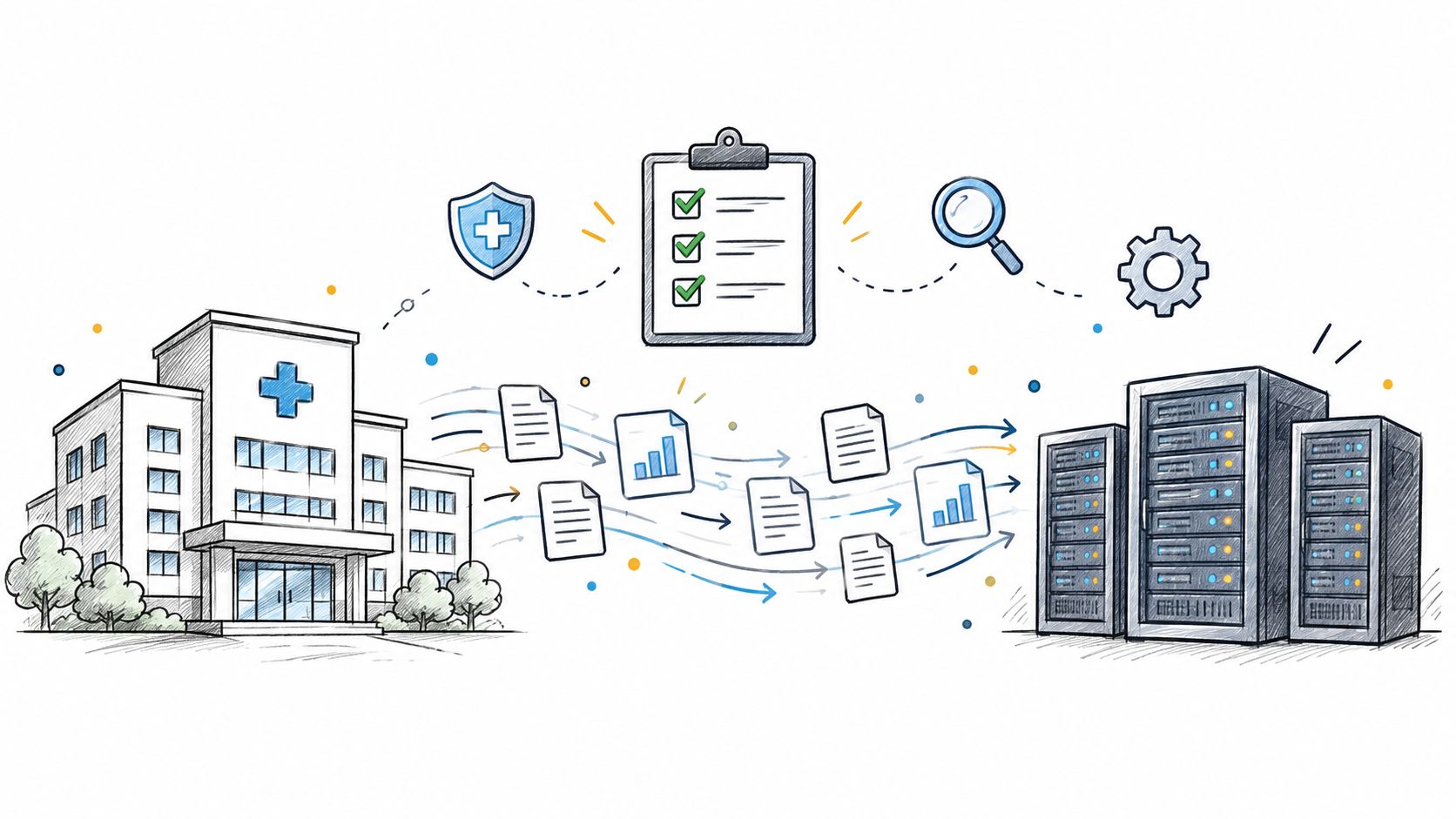
Practical data migration planning guide for healthcare teams. Scope, mapping, compliance, validation, cutover and rollback decisions explained end to end.
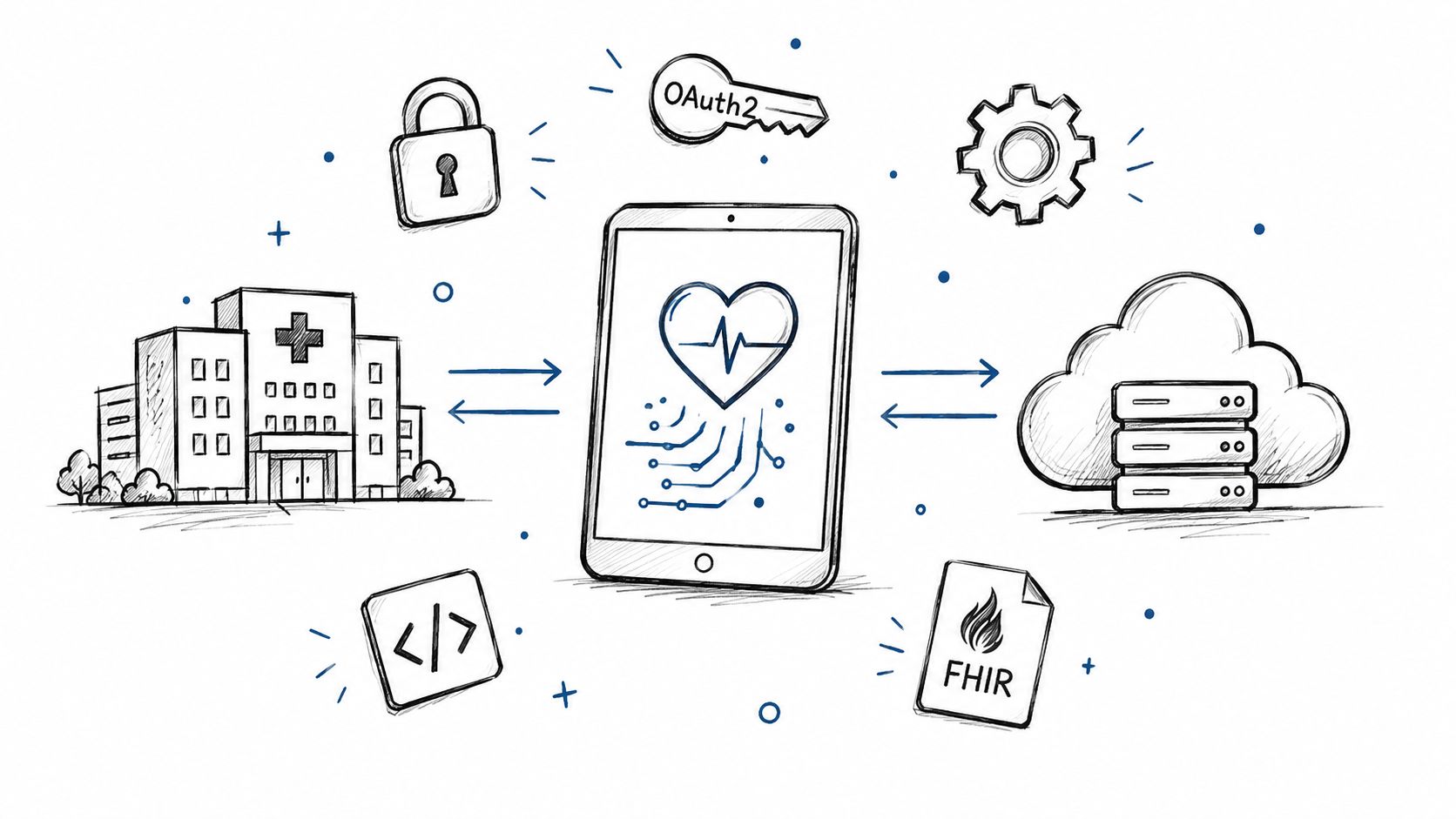
Smart on FHIR guide for healthtech engineers. Learn the OAuth 2.0 launch model, scope syntax, backend services, and US regulatory requirements.
Connect with our team to explore how AI expertise can transform your business.