
AI in Healthcare
Smart on FHIR: What It Is and How It Works in Practice
Smart on FHIR guide for healthtech engineers. Learn the OAuth 2.0 launch model, scope syntax, backend services, and US regulatory requirements.
October 14, 2026Read more
Automation is helping home care providers reduce missed visits by improving scheduling, communication, and care coordination. It streamlines workflows, enhances reliability, and supports better patient experiences.
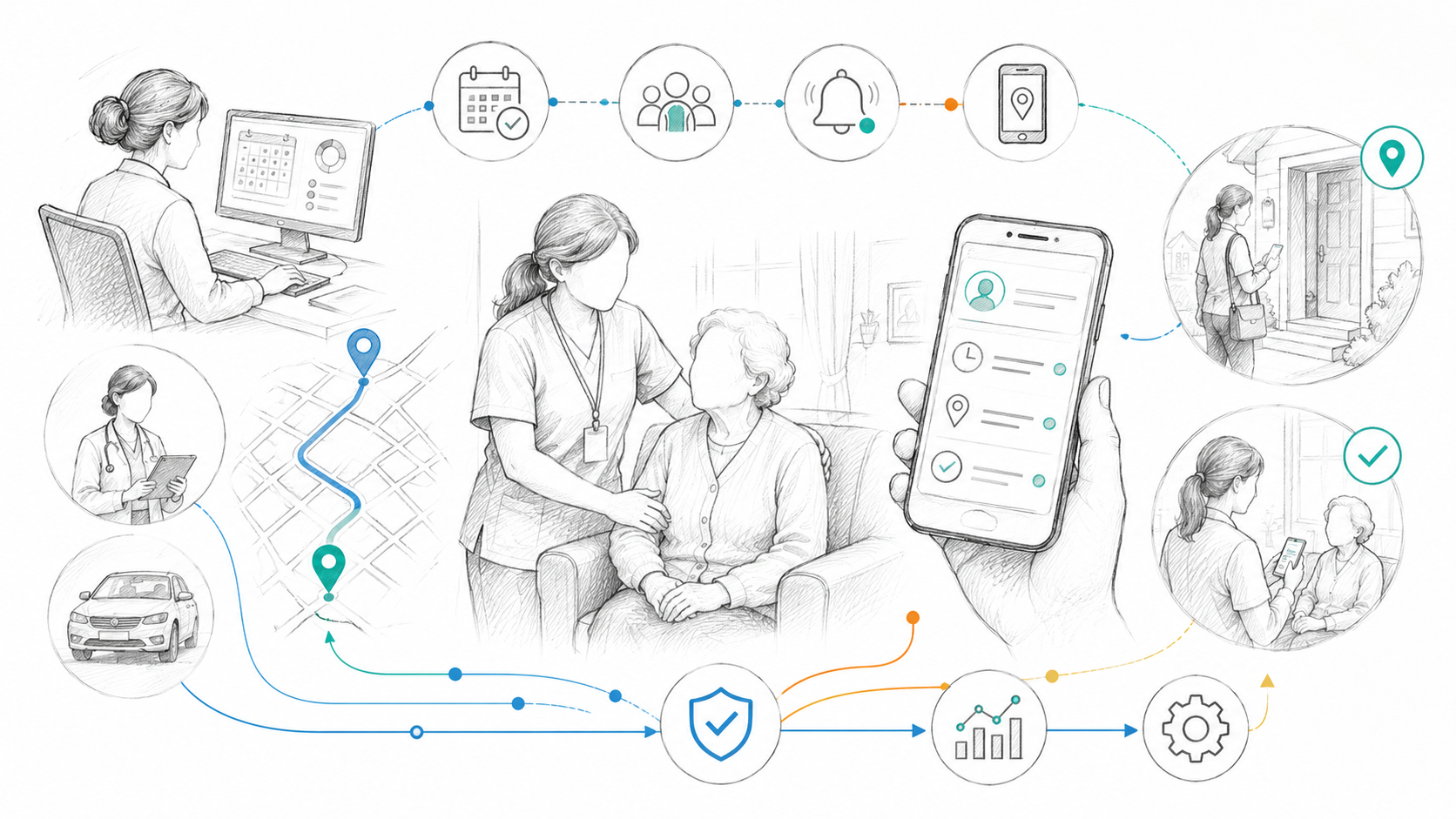
Missed caregiver visits can disrupt an entire day for patients who depend on timely medicine, meals, personal care, or companionship. What may seem like a small scheduling error often grows into bigger challenges for home care agencies, caregivers, and families who rely on consistent care.
These missed visits also leave gaps in records, slow down communication, and cause frustration for patients expecting reliable service. Home care automation offers agencies a practical way to improve scheduling, strengthen caregiver coordination, and track visits more effectively through connected digital systems and real-time communication.
Home care agencies handle a large number of caregiver visits each day. Even one delay can affect several patients across different locations. Traffic, unclear updates, missed phone calls, or staff absence often lead to gaps in visits during busy hours. When agencies rely on paper records and manual coordination, office teams face extra pressure. Staff spend long hours checking schedules, calling caregivers, and updating patient records. Small mistakes during these tasks can disrupt multiple visits in a single day.
Patients depend on regular care for comfort, safety, and peace of mind. Missed visits can be stressful for elderly patients, those recovering from illness, and people living with long-term conditions. Families also expect timely updates from agencies. Repeated scheduling failures create audit concerns, negative feedback, and financial strain for agencies. Accurate records and timely visit logs carry significant value during compliance reviews. A skilled healthtech engineering partner can guide agencies toward modern scheduling platforms with clear workflows and reliable coordination tools.
Many agencies still rely on paper charts, spreadsheets, and phone calls to plan caregiver visits. These methods often slow things down when shifts change suddenly or when a caregiver is absent. Office staff may spend hours checking different schedules to find availability. Communication gaps add more confusion between coordinators and caregivers. A missed call or a delayed message can disrupt several patient visits in one route.
Some agencies continue to track staff availability through manual records. This process takes time and often leaves gaps during busy periods. To address these challenges, many providers are now exploring healthcare AI services for route planning, caregiver matching, and visit tracking across large care networks.
Home healthcare agencies manage many daily tasks, including caregiver scheduling, patient visits, route planning, communication, and record updates. When these activities are handled manually, delays and confusion often occur, especially with large numbers of visits each day.
Automation brings these tasks together in one connected system. Digital platforms organize schedules, caregiver details, patient information, and visit records in a single place. Coordinators gain quicker access to updates, and caregivers receive clear visit instructions through mobile applications. This approach reduces scheduling gaps and strengthens daily coordination across care teams.
Digital care management systems bring together data from different parts of the care process. They track caregiver availability, patient needs, shift timings, completed visits, and daily notes through a single dashboard.
When a new visit is added, the system checks caregiver availability, travel distance, qualifications, and current workload before assigning the shift. Coordinators receive live updates if there are delays, missed check-ins, or changes in the schedule. Mobile access gives caregivers quick visibility into patient details, route information, and care instructions during visits.
In the past, many agencies relied on spreadsheets, paper files, phone calls, and manual coordination to manage daily operations. This approach consumed time and often led to communication gaps during busy schedules.
Automated workflows simplify these tasks through connected scheduling and communication systems. Visit assignments, reminders, caregiver notifications, attendance tracking, and daily reports flow through digital platforms with fewer manual steps. Office teams spend less time checking records and contacting staff across multiple channels. Caregivers also receive faster schedule updates through mobile systems, which improves coordination during unexpected staffing changes.
Centralized scheduling systems give agencies a complete view of caregivers, patient visits, routes, and staffing patterns in one place. Coordinators can quickly identify open shifts, delayed visits, or staffing shortages before they affect patient care.
These systems also strengthen communication between office teams and caregivers in the field. Real-time updates reduce confusion and improve visit accuracy across large service areas. Agencies gain clearer visibility, faster reporting, accurate visit records, and smoother daily coordination through connected scheduling platforms. Insights from a custom AI strategy report can further guide agencies in refining these systems, making scheduling and coordination more reliable across daily operations.

Automated scheduling platforms assign caregivers based on shift availability, location, and working hours. This reduces manual coordination and gives agencies faster scheduling during busy periods.
Patients often need different levels of care and support. Smart scheduling systems match caregivers with patients according to experience, language preference, medical knowledge, and specific care requirements. This creates smoother service delivery.
Manual scheduling can lead to overlapping shifts, missed updates, and duplicate assignments. Automated systems track schedules in real time and reduce conflicts through accurate planning and instant updates.
Smart scheduling gives coordinators a clear view of caregiver routes, workloads, and active visits. Agencies manage staff time more effectively, reduce travel delays, and improve daily productivity across care teams.
Real-time alerts give coordinators immediate updates when caregivers are delayed, miss a check-in, or are suddenly absent.
Office teams receive quick notifications about uncovered visits, which improves response time during urgent scheduling situations.
Automated reminder alerts guide caregivers about upcoming visits, route details, shift timings, and patient care instructions.
Instant schedule updates reduce communication delays between coordinators and field staff during busy work hours.
Mobile notifications give caregivers clear access to visit changes without repeated phone calls or manual follow-ups.
Faster communication improves coordination across care teams and reduces missed visit risks during daily operations.
Digital alert systems also create accurate visit records for reporting, audits, and operational reviews.
Many agencies use visit management systems for live caregiver tracking, scheduling visibility, digital visit logs, and daily coordination across multiple care locations.
GPS check-in tools create accurate visit records for agencies and families. Coordinators can view arrival times, departure logs, and visit updates through connected mobile apps. Digital records also reduce confusion during billing reviews and client discussions. Clear data gives agencies a dependable record of daily care activity. SaMD solutions add further value by strengthening the accuracy and reliability of these digital records across different care settings.
Care teams need quick communication during schedule changes and urgent patient requests. Mobile apps give caregivers direct access to visit notes, route details, and updated care instructions. Digital messaging tools reduce missed information between office teams and caregivers in the field. Faster communication creates smoother coordination during busy schedules.
Automated scheduling and real-time updates reduce missed visits and delays. Patients receive consistent assistance, medication reminders, and daily care services through organized visit coordination.
Digital scheduling systems cut down paperwork, manual data entry, phone coordination, and repetitive tasks. Office teams spend less time managing records and more time focusing on care operations.
Automated platforms keep accurate visit records, caregiver check-ins, and daily activity logs. These records simplify reporting and give agencies clear documentation during audits and compliance reviews.
Smart scheduling tools organize caregiver routes, visit timings, and workload distribution more effectively. Caregivers receive clear schedules and faster updates, which improve daily productivity and visit reliability.
Smart Scheduling Tools: Smart scheduling tools assign caregivers based on availability, location, workload, and patient care needs. These systems reduce conflicts and improve coordination across daily visits.
Mobile Caregiver Applications: Mobile applications give caregivers quick access to schedules, patient notes, route details, and visit updates in one place. This strengthens communication between office teams and staff in the field.
Automated Reminders and Alerts: Automated alerts send reminders for upcoming visits, delayed arrivals, schedule changes, and missed check-ins. Fast notifications improve response time during unexpected staffing situations.
Real Time Monitoring Dashboards: These dashboards give coordinators a clear view of caregiver activities, visit progress, staffing gaps, and ongoing schedules. Agencies track daily operations more accurately through centralized monitoring systems.
Reporting and Analytics Capabilities: Reporting tools generate visit records, caregiver activity logs, operational reports, and performance data. These insights guide agencies during compliance reviews, workforce planning, and operational analysis.
Home care automation is moving toward smarter digital systems for daily scheduling, caregiver coordination, and patient care planning. Future platforms may use predictive staffing models to identify gaps before they affect patient visits. Advanced route planning tools may also reduce travel delays and improve caregiver time management across busy service areas.
Connected care platforms are changing how agencies review operational data. Managers may gain quicker access to staffing trends, patient care patterns, caregiver availability, and service demands through centralized dashboards and analytics tools. These insights give agencies a clearer view of daily operations and create more reliable care experiences for patients and families.
Missed visits place heavy pressure on patients, caregivers, and agencies across daily home care services. Digital scheduling, GPS records, mobile communication, and automated alerts provide agencies with a practical way to coordinate visits accurately and manage operations more smoothly. Home care automation is helping agencies deliver care more effectively by streamlining workflows, improving communication, and ensuring schedules run smoothly. Contact us for more information about digital solutions for modern home care services.
Home care automation improves scheduling, communication, and real-time tracking, helping agencies reduce missed visits and strengthen daily care coordination through connected digital workflows.
A healthtech engineering partner helps home care agencies modernize operations with caregiver scheduling software, mobile apps, and automated coordination systems.
Healthcare AI services support route planning, caregiver matching, automated alerts, and visit management systems to improve operational efficiency across home care networks.
A custom AI strategy report helps agencies identify workflow gaps, optimize staffing, and strengthen home care automation through better scheduling and coordination practices.
SaMD solutions improve digital visit records, GPS tracking, remote monitoring, and caregiver coordination, making visit management systems more accurate and reliable.
Smart on FHIR guide for healthtech engineers. Learn the OAuth 2.0 launch model, scope syntax, backend services, and US regulatory requirements.
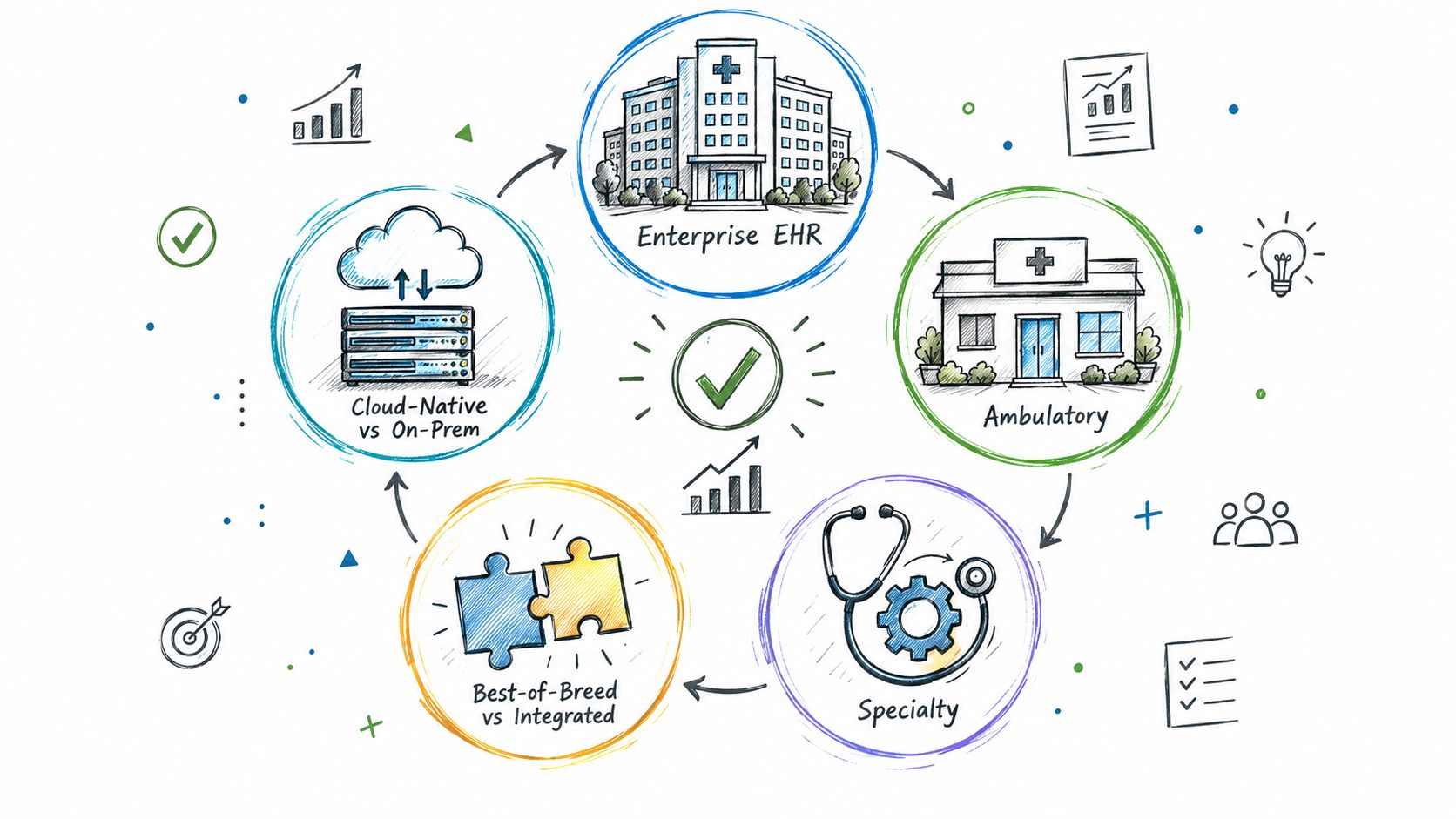
Explore the types of EHR systems by deployment model, care setting and scope. Compare integration options, trade-offs and selection tips for healthtech teams.
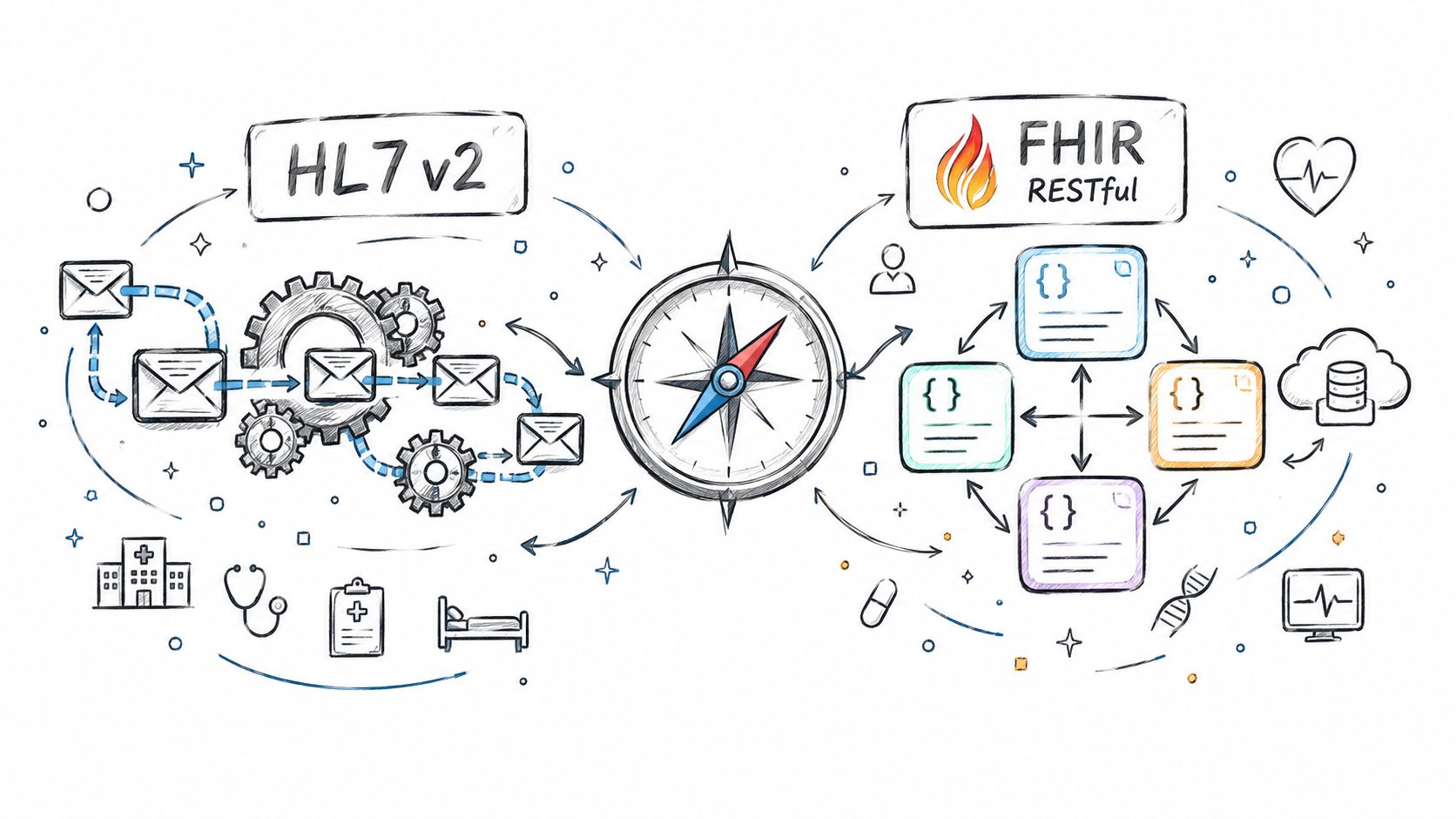
Compare Fhir vs. hl7 standards for healthtech integration. See how HL7 v2 and FHIR differ in use, mechanics, regulation, and real-world architecture.
Connect with our team to explore how AI expertise can transform your business.