
AI in Healthcare
HIPAA-Compliant AI: How to Use LLMs With PHI Safely
How to build HIPAA-compliant AI: when LLM providers need a BAA, data minimization, de-identification, audit controls and a reference architecture.
October 16, 2026Read more
AI maturity depends more on leadership alignment, vision, and execution than on technology alone. Discover why strong leadership drives sustainable AI success.
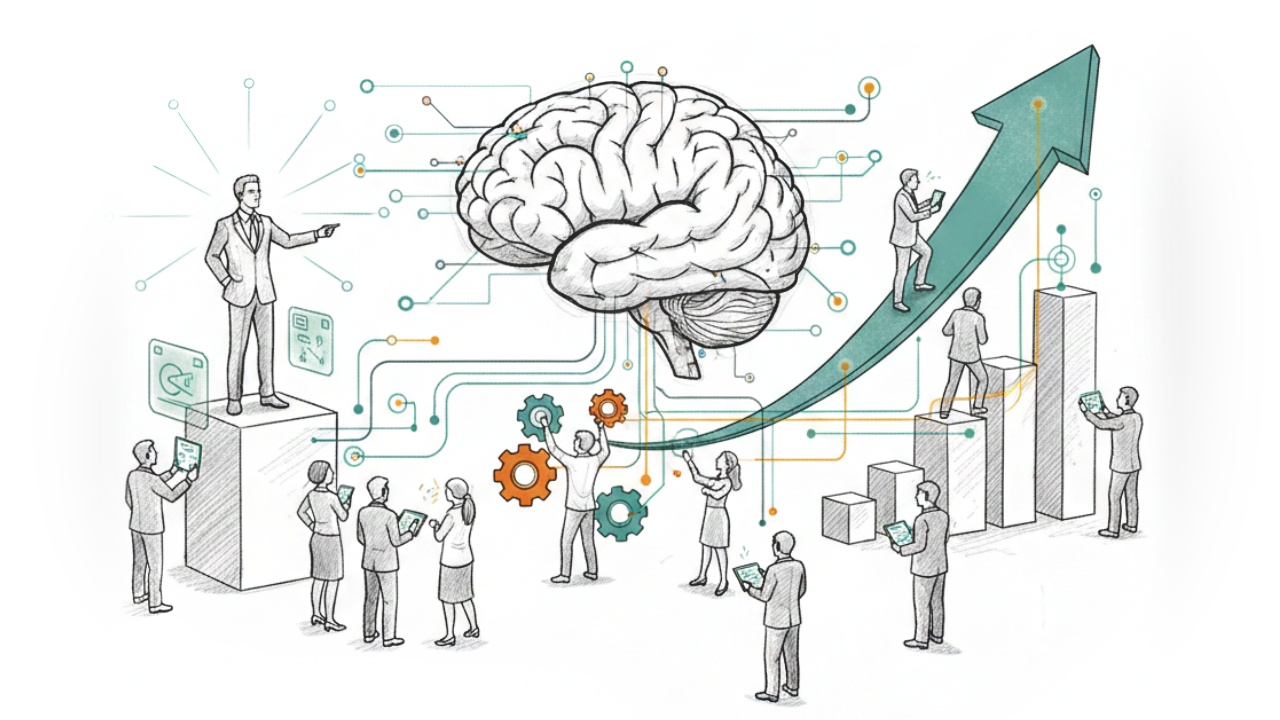
Progress with artificial intelligence can look exciting from a distance. Dashboards look polished, systems that work with huge amounts of information, and fresh tools that teams try out quickly. But this excitement can fade. The real cause of this slowdown is rarely the technology itself. The problem becomes clear when people lack direction, when leaders give conflicting instructions, and when no one is certain who has the authority to choose. The gap between owning smart tools and reaching meaningful outcomes makes one thing clear. True AI maturity leadership is the core of lasting success, not any single piece of software.
Without strong organizational change management, experimentation leads to scattered efforts and short-term successes that rarely grow into lasting impact. The distance between having intelligent tools and achieving real business results highlights a deeper problem. Technology can produce insights, but it cannot align priorities, establish accountability, or build a shared sense of direction. Real progress with AI depends on leadership, not on any single piece of software, regardless of how advanced it may be.
Real maturity with artificial intelligence does not come from purchasing advanced AI Solutions. The software can process information, spot patterns, and perform routine tasks. But it cannot choose what matters most or point the way forward. Leadership choices create the atmosphere for these tools to operate and produce results. Without that direction, groups view AI as a temporary test, disconnected from a collective purpose. Maturity builds only when leaders make AI a natural part of how the organization thinks and moves.
Leadership makes responsibility clear. When a system makes a prediction or a suggestion, teams must understand who holds the authority to approve or reject it. This understanding does not come from technology. It comes from leaders who grasp its limits, its compromises, and its possible risks. Clear guidance from leadership moves AI use cases from ideas into practice. This is where targeted AI strategy consulting connects business goals with real-world results.

Confidence in artificial intelligence depends on trust. Teams trust the technology when leaders explain its purpose and how its findings fit actual work. When leaders remain distant, trust weakens and adoption stalls. Real trust forms when leaders talk openly about results, about limitations, and about errors. This open discussion shifts projects from simple tests toward genuine AI use cases that people welcome and apply with conviction.
Culture shapes the ability to learn. Artificial intelligence brings uncertainty, and uncertainty needs open conversation. Leaders who invite questions and accept small setbacks create a foundation for progress. Without this culture, teams stay silent and avoid responsibility. Organizations that find success frequently work with an AI implementation partner. This partnership provides technical expertise and supports structured learning and a common understanding.
Many organizations use step-by-step plans to measure progress. An AI maturity model can outline a path, but it cannot change how people work. Progress stalls when leaders treat maturity as a score to achieve, instead of a habit to practice. The growth of leadership matters more than checking boxes. Real maturity comes from repeated decisions, open reviews, and clear direction.
Readiness often gets measured through data or systems. A genuine AI readiness assessment starts with leadership clarity. Leaders define priorities, grant time, and explain the level of risk that is acceptable. Without this clarity, even capable teams struggle to move. Readiness grows when leaders give focused attention and take responsibility for results.
Progress with artificial intelligence falters when speed overtakes purpose. Leaders who push for rapid adoption without a clear purpose create confusion. A solid AI adoption roadmap matches timing with the capacity to learn and adapt. It creates clear expectations and prevents fatigue. Direction provides stability, even as tools evolve or results shift.
Strategic clarity does not come from general advice. It develops through careful thought on objectives, constraints, and values. A custom AI strategy report holds value only when leaders engage with its findings and take action. Reports can inform thinking, but leadership action builds outcomes. This method aligns with established research on organizational change, including the principles outlined in this overview of change management principles.
At its core, AI maturity leadership reflects how leaders adapt their thinking, communication, and refine decision-making habits. Technology follows the direction set by leadership, not the other way around. Leaders who develop their skills as AI develops guide teams through uncertainty with calm and clarity. This growth changes AI from a simple tool into a trusted partner for daily work.
Artificial intelligence reaches maturity only when leadership grows alongside it. Tools, plans, and reports can support progress, but clear direction and genuine trust determine the results. Organizations pursuing long-term value must concentrate on leadership choices, culture, and accountability. These elements create the environment where AI can move from a promising concept to a core part of daily operations.
AI maturity leadership remains the central driver of progress, transforming potential into tangible achievement. Contact us to explore how thoughtful leadership can shape meaningful AI adoption.
AI maturity leadership focuses on direction, accountability, and culture, ensuring AI Solutions deliver real business outcomes instead of remaining isolated experiments.
Leaders define ownership and priorities, turning AI use cases into practical initiatives aligned with business goals through AI strategy consulting.
An AI maturity model provides structure, but real progress depends on leadership behavior, decision clarity, and consistent follow-through.
An AI readiness assessment evaluates strategic clarity, risk tolerance, and organizational alignment to ensure effective scaling of AI initiatives.
An AI implementation partner enables technical execution, while a clear AI adoption roadmap and custom AI strategy report guide leaders from insight to action.
How to build HIPAA-compliant AI: when LLM providers need a BAA, data minimization, de-identification, audit controls and a reference architecture.

Practical data migration planning guide for healthcare teams. Scope, mapping, compliance, validation, cutover and rollback decisions explained end to end.

Smart on FHIR guide for healthtech engineers. Learn the OAuth 2.0 launch model, scope syntax, backend services, and US regulatory requirements.
Connect with our team to explore how AI expertise can transform your business.