
AI in Healthcare
HIPAA-Compliant AI: How to Use LLMs With PHI Safely
How to build HIPAA-compliant AI: when LLM providers need a BAA, data minimization, de-identification, audit controls and a reference architecture.
October 16, 2026Read more
Healthcare AI success depends more on data readiness than model accuracy. Learn how strong data foundations drive better outcomes and reduce risk.
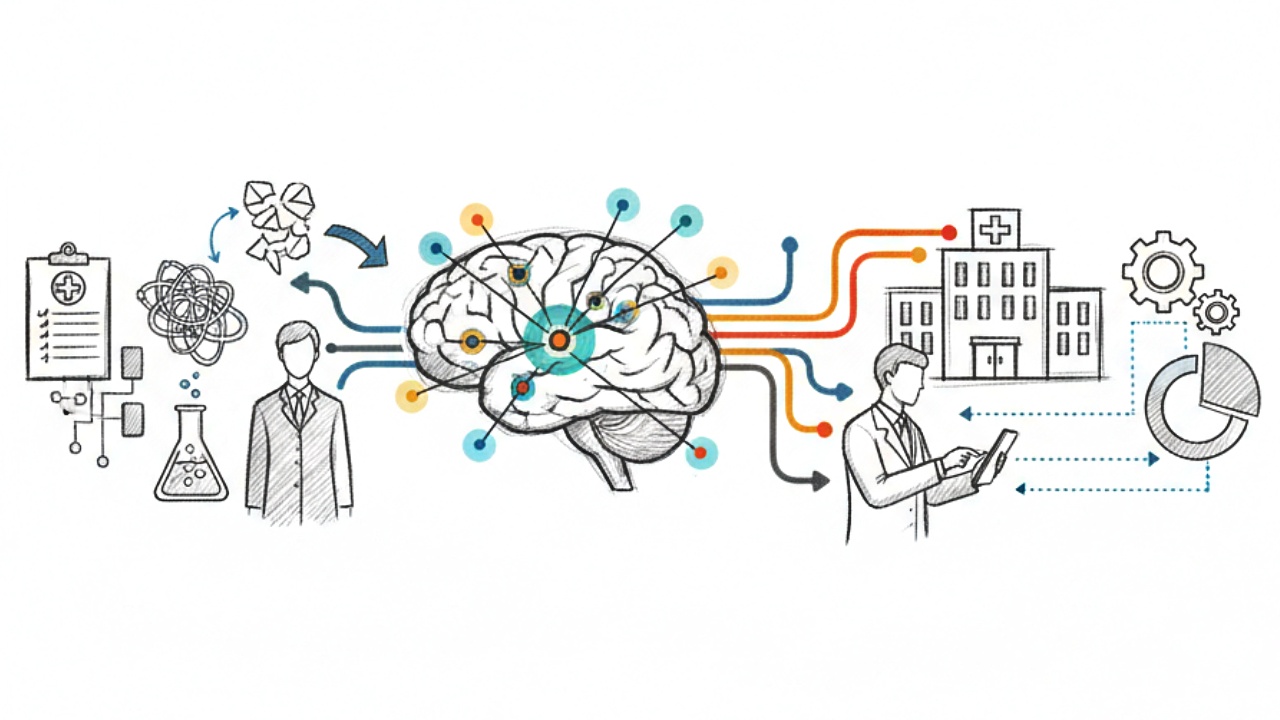
Conversation about healthcare AI often focuses on metrics, scores, and performance graphs. A strong accuracy number is compelling, but the true worth of a system is measured against the complex reality of clinical information, where AI solutions depend heavily on the quality of the data they receive. Healthcare settings manage scattered patient records, inconsistent data formats, and evolving clinical standards. If this foundation is not solid, even a sophisticated model cannot produce reliable results. This space between theoretical performance and tangible results highlights a more fundamental need. Healthcare AI data readiness determines how an artificial intelligence system functions in a real clinical environment. It influences the system's reliability, the trust it earns, and its long-term position in patient care.
Accuracy shows how a model performs on a set of tests. In healthcare, the test data seldom match actual live conditions. Clinical notes follow varied structures, imaging quality differs, and patient information originates from multiple separate systems. When a model trained on ideal data encounters actual clinical inputs, the accuracy score cannot reflect practical performance, a gap often highlighted during the development of a custom AI strategy report. Mistakes often start with missing information, inconsistent patient identifiers, or old records. These problems demonstrate that model accuracy without a solid data foundation leads to unstable results.
Data readiness refers to clinical data that generate reliable AI outcomes in any setting, with data quality playing a significant role in how information is prepared and maintained. This means data is uniform, complete, traceable, and carries context. Healthcare AI data readiness unites clinical notes, imaging files, lab reports, and operational records into a single coherent framework. Without this unified structure, AI predictions lose their relevance in an actual application.
Healthcare data originates from electronic records, diagnostic machines, and administrative software. Every source operates with distinct formats and schedules. Data readiness emphasises alignment over quantity. A unified record system reduces uncertainty and maintains consistent AI performance across different departments and phases of care.
Clinicians need clarity and confidence to work with AI results. When data sources are unclear or changeable, trust fades. Data readiness provides transparency by connecting predictions to clear, traceable information. This understanding fosters greater acceptance of both clinical choices and operational plans. Healthcare AI data readiness also supports governance structures.

AI systems connect with scheduling software, clinical routines, and reporting tools. Inconsistent data interrupts these connections. Data readiness aligns inputs with operational facts, decreasing friction in daily work. Healthcare AI data readiness maintains stable integration across both clinical and administrative areas.
As AI expands from small pilots to wider use, data issues multiply. Readiness frameworks manage this expansion by standardising data practices from the start. This method permits steady growth without constant adjustments or restarting the entire system.
Healthcare leaders view AI as a single component of a wider transformation effort. Data readiness supports strategic planning by revealing gaps in infrastructure, staff skills, and management practices. This base supports healthcare AI services by connecting technology projects with the organization's main goals. Data readiness also informs choices about AI Solutions by making clear which AI use cases align with current data conditions.
AI use cases work when they align with actual data conditions. Predictive analytics, tools for clinical notes, and operational forecasts each need particular data formats. Data readiness reviews identify where changes are needed before launch. This alignment permits smoother collaboration with an AI implementation partner.
Organizations often adopt structured methods, such as an AI maturity model, to measure readiness across technical and operational areas. An AI readiness assessment finds gaps in data quality, system integration, and management rules. These findings form a practical AI adoption roadmap that links goals with real capacity.
Healthcare AI requires clear accountability and supervision. Data readiness supports governance by establishing data ownership, audit trails, and update schedules. Practices tied to clinical data governance improve compliance and transparency for all AI projects. These frameworks inform AI strategy consulting by basing advice on data reality, not theory.
When data foundations align with clinical routines, AI results become stable. Organizations can move their focus from constant fixes to meaningful review. Custom projects, such as a custom AI strategy report, often rely on data readiness findings to guide long-term plans. This method creates lasting value rather than short-term tests.
Progress with healthcare AI begins long before selecting a model. Data readiness determines reliability, trust, and adoption in both clinical and operational settings. Accuracy still matters, but it cannot fix fractured or unclear data foundations. Healthcare AI data readiness imposes order on complexity, steering AI systems toward stable performance and managed growth. Organizations that want lasting AI results do well to base their strategy on data reality, not just technical scores. For support in aligning data foundations with AI objectives, contact us to start a direct conversation.
Healthcare AI data readiness ensures clinical data is complete, aligned, and traceable so AI Solutions perform reliably in real-world settings.
High accuracy cannot compensate for fragmented data. Without healthcare AI data readiness, even strong AI use cases may fail in practice.
An AI readiness assessment and AI maturity model help identify gaps in data quality, governance, and infrastructure, enabling organizations to scale AI initiatives effectively.
AI strategy consulting uses insights from a custom AI strategy report to align healthcare AI services with realistic data conditions and goals.
An AI implementation partner connects AI Solutions to operational systems and follows an AI adoption roadmap built on strong data foundations.
How to build HIPAA-compliant AI: when LLM providers need a BAA, data minimization, de-identification, audit controls and a reference architecture.

Practical data migration planning guide for healthcare teams. Scope, mapping, compliance, validation, cutover and rollback decisions explained end to end.

Smart on FHIR guide for healthtech engineers. Learn the OAuth 2.0 launch model, scope syntax, backend services, and US regulatory requirements.
Connect with our team to explore how AI expertise can transform your business.