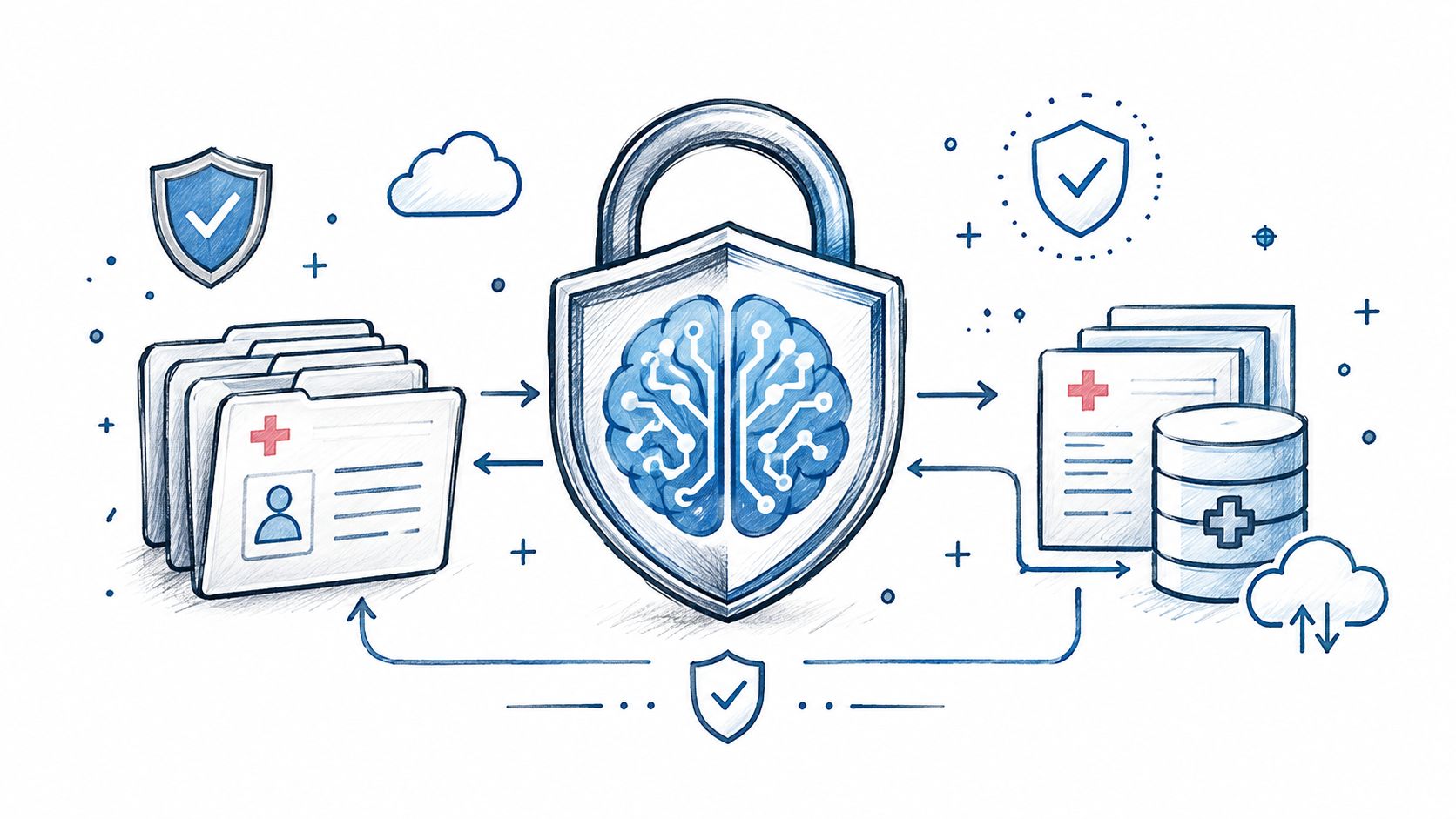
AI in Healthcare
HIPAA-Compliant AI: How to Use LLMs With PHI Safely
How to build HIPAA-compliant AI: when LLM providers need a BAA, data minimization, de-identification, audit controls and a reference architecture.
October 16, 2026Read more
Fragmented systems remain a major challenge in healthcare. Discover how AI-driven data interoperability connects siloed platforms and enables faster, more coordinated patient care.
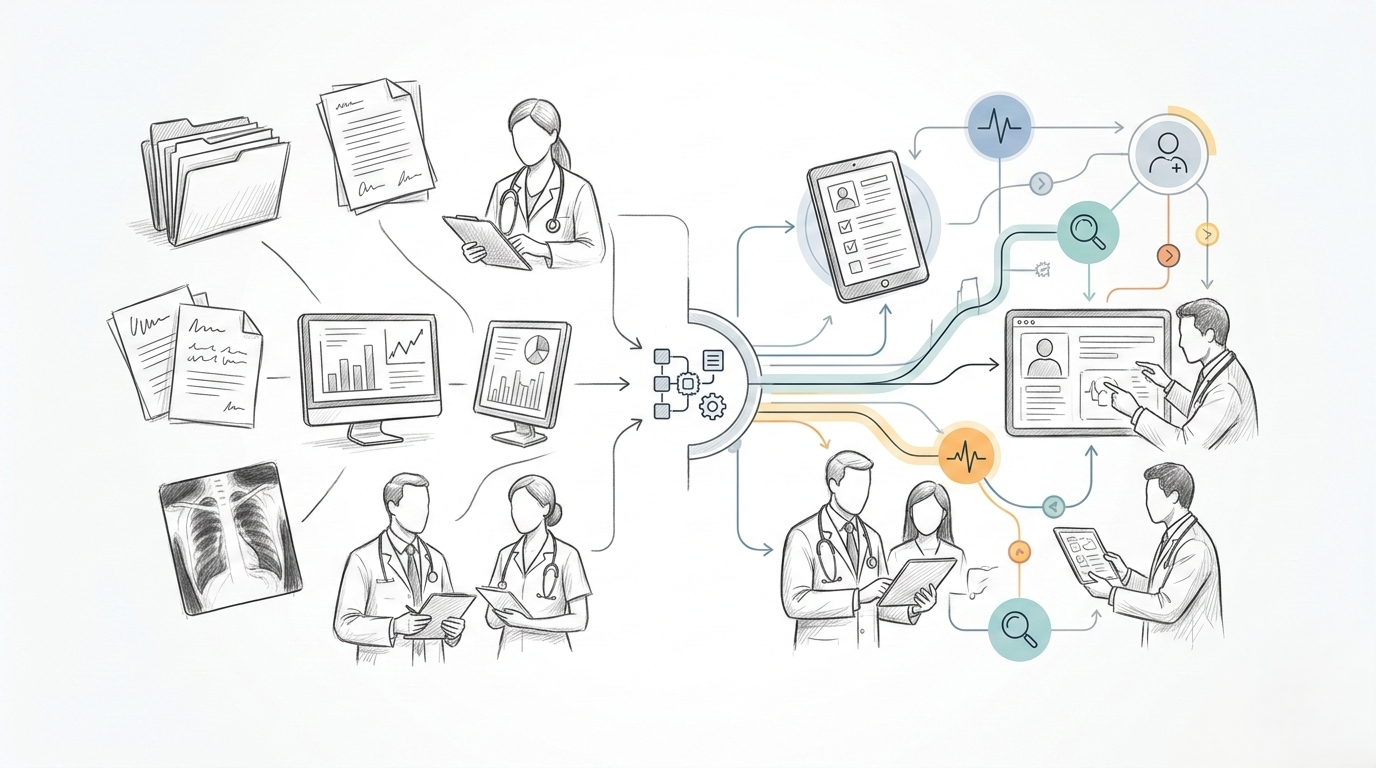
Healthcare systems generate streams of information, including clinical notes, test results, imaging records, and patient histories. Much of this information is stored in separate places, which creates challenges for clinicians seeking complete details for accurate decisions. Healthcare data interoperability AI provides a structured method to align these systems, allowing patient information to be shared across different platforms. By combining data with intelligence, hospitals and clinics gain unified patient profiles, improving diagnostic accuracy and operational efficiency.
Hospitals often face challenges when patient information is stored in different formats or scattered across departments. When records are divided, treatment can slow down, paperwork increases, and specialists struggle to coordinate effectively. Modern systems built for interoperability can process and reshape unstructured data into clear, consistent formats. This change reduces duplication, letting care teams focus on patient outcomes instead of spending time reconciling scattered details.
AI systems can read unstructured documents, interpret medical language, and convert the information into clear, consistent formats. By using AI solutions, different systems can share information easily, and clinicians can trust that the details they use are reliable and accurate. With data presented consistently, hospitals can maintain organized records that support sound decisions, medical research, and compliance requirements.
Many healthcare systems still use legacy systems that were not designed to share information easily. Bringing these systems in line with modern platforms is not simple; it requires tools that can read records and reshape them into formats that are practical today. Healthcare AI services play a central role, providing solutions that align with existing infrastructure and blend into daily routines without causing disruption.
For data integration to be effective, healthcare organizations should have a clear plan that connects technology with everyday priorities. A practical roadmap should outline the steps, highlight key milestones, and explain how progress will be measured. With this kind of structure, organizations can navigate complex changes and collaborate with experienced professionals, including those offering AI strategy consulting, who help align new technology with daily operations and long-term goals.

Data interoperability is a practical reality in healthcare. Hospitals and clinics use AI models that extract, normalize, and harmonize data from multiple sources. These AI use cases demonstrate practical benefits such as reducing duplicate tests, speeding up patient admissions, and supporting predictive analytics. Clinicians receive timely insights from complete datasets, which improves patient care and strengthens operational efficiency.
Selecting the right technical collaborator matters when introducing intelligent systems. An experienced AI implementation partner can handle complex integration projects, resolve data issues, and maintain compliance with healthcare standards. Working with reliable partners allows organizations to build confidence during adoption and manage risks throughout deployment.
Each healthcare organization has its own workflows and data structures. To make information meaningful, organizations need to review existing systems and understand their needs. A custom AI strategy report reviews current practices, points out areas that can be improved, and suggests solutions suited to the organization’s environment. These reports support decision-makers in planning actions and tracking progress effectively.
This process helps teams see things more clearly, even when they usually work separately. When information is shared straightforwardly, both technical and non‑technical groups understand the same priorities and know the next steps. Good documentation reduces confusion, keeps departments working in sync, and builds confidence during execution. Over time, this kind of guidance allows organizations to act with purpose rather than reacting to problems as they arise.
Reviewing an organization’s readiness becomes a key step before introducing intelligent data systems. Tools such as AI readiness assessment and AI maturity model provide structured ways to review technical capacity, workforce skills, and process alignment. By understanding these areas, healthcare leaders can plan phased integration strategies with confidence.
For intelligent systems to be adopted sustainably, organizations need clear direction and a gradual rollout. An AI adoption roadmap offers a step-by-step plan that highlights priorities, sets timelines, and defines expected outcomes. With this approach, institutions can shift from fragmented systems to fully integrated platforms while limiting disruption.
Lasting success depends on clear ownership and shared responsibility across all teams. Leadership groups set data standards, access rules, and review cycles that guide everyday work. Clinical, technical, and compliance teams work together through regular checkpoints to monitor data quality and system performance. This structured approach fosters trust across departments, minimizes confusion, and keeps integration efforts focused on patient care priorities over time.
Healthcare data that remains fragmented often creates barriers to quality care, delaying choices and complicating daily operations. With intelligent solutions, organizations can align records, manage information flow, and offer better patient experiences. Implementing healthcare data interoperability AI turns isolated datasets into practical insights, improving both clinical outcomes and operational efficiency. To explore how structured strategies, expert guidance, and tailored AI applications can help build a truly integrated healthcare ecosystem, connect with us today.
Predictive analytics in healthcare uses unified datasets to generate early insights, improving coordination and informed clinical decisions.
Healthcare AI services standardize, extract, and harmonize data across platforms using AI Solutions that improve interoperability and reliability.
AI strategy consulting aligns AI use cases with operational goals and provides direction through a custom AI strategy report.
An AI readiness assessment evaluates infrastructure and skills, while an AI maturity model measures progress toward integrated AI capabilities.
Partnering with an AI implementation partner and following a structured AI adoption roadmap supports phased, long-term integration.
How to build HIPAA-compliant AI: when LLM providers need a BAA, data minimization, de-identification, audit controls and a reference architecture.
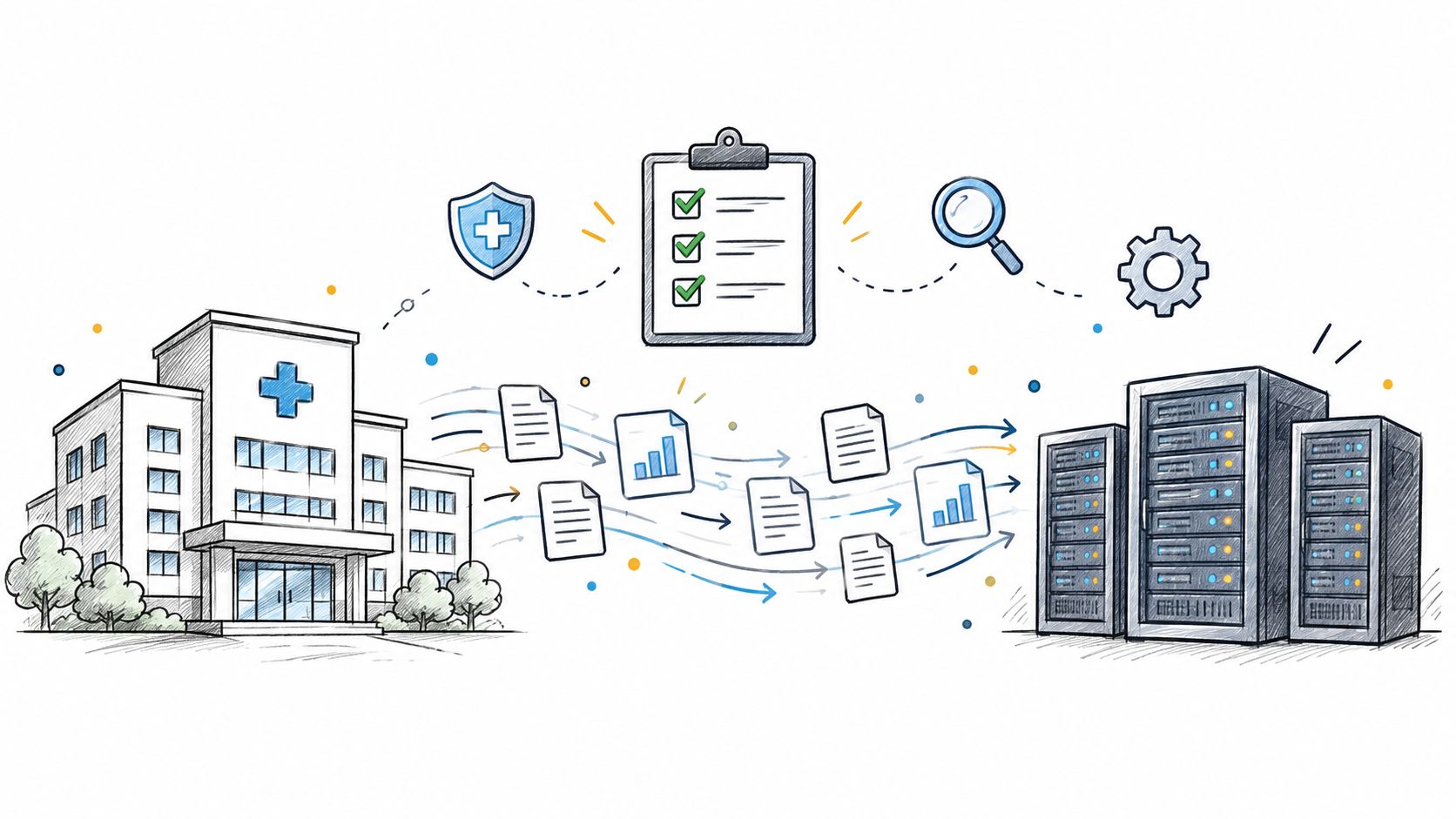
Practical data migration planning guide for healthcare teams. Scope, mapping, compliance, validation, cutover and rollback decisions explained end to end.
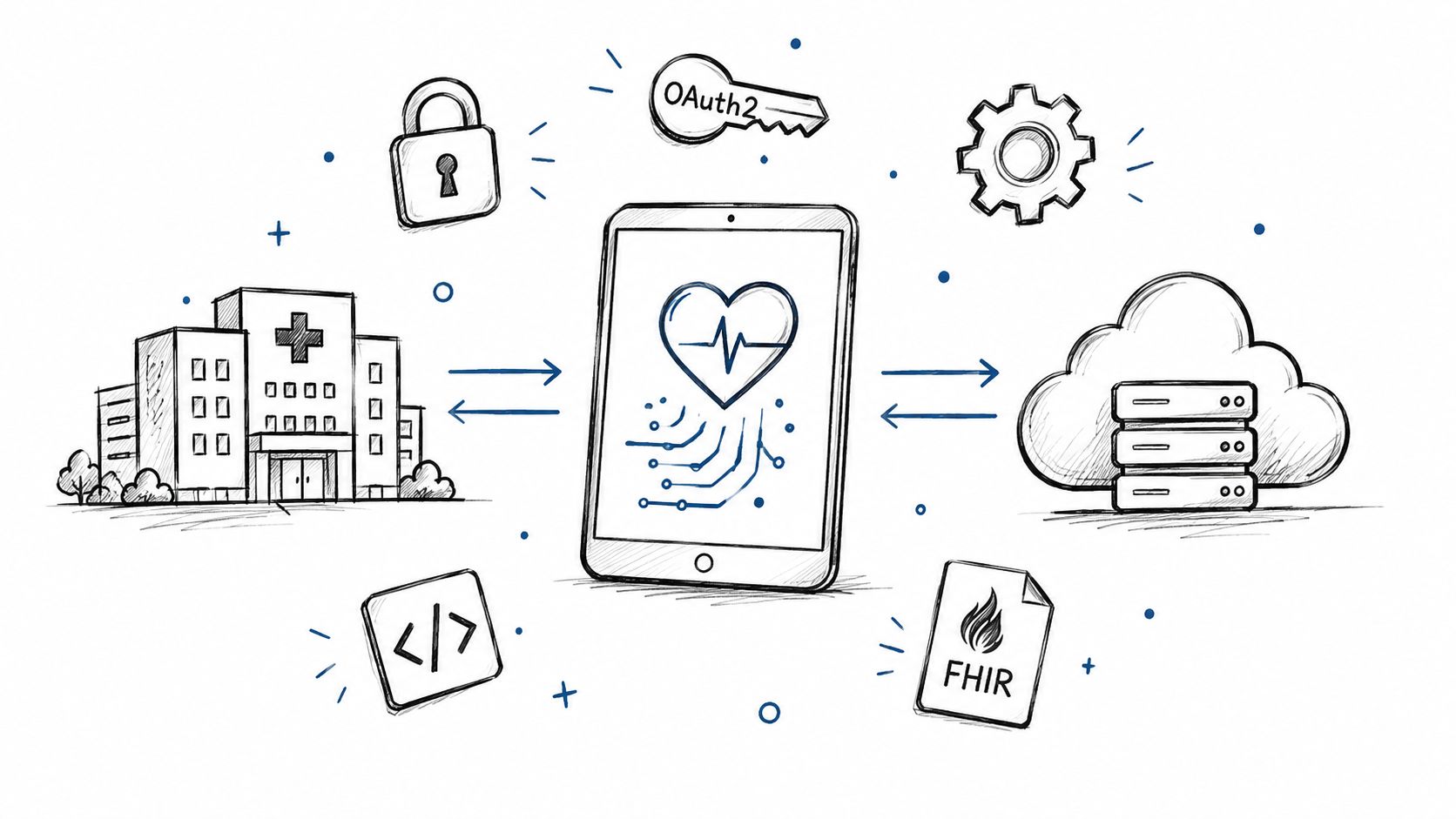
Smart on FHIR guide for healthtech engineers. Learn the OAuth 2.0 launch model, scope syntax, backend services, and US regulatory requirements.
Connect with our team to explore how AI expertise can transform your business.