AI in Healthcare
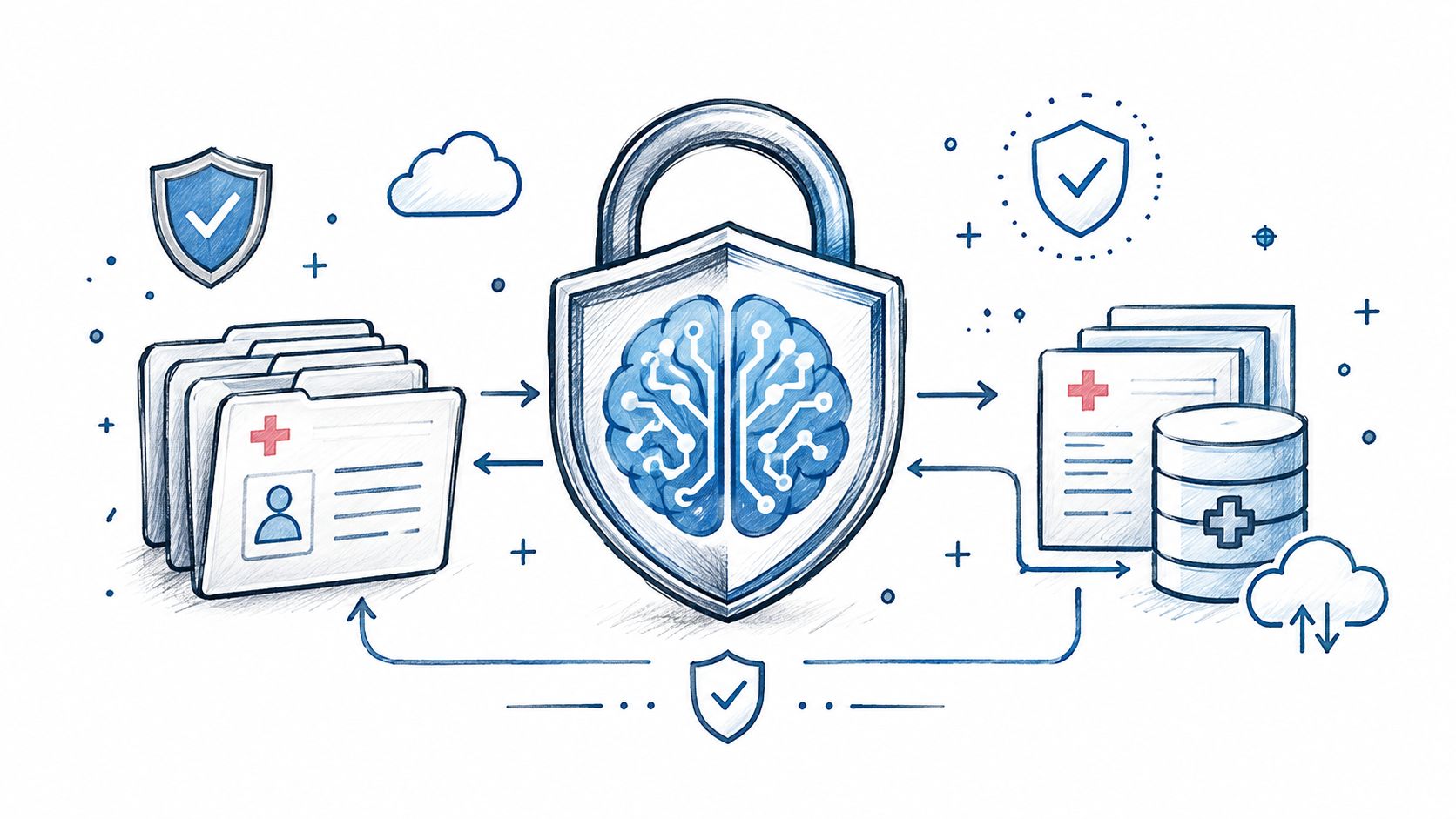
HIPAA-Compliant AI: How to Use LLMs With PHI Safely
How to build HIPAA-compliant AI: when LLM providers need a BAA, data minimization, de-identification, audit controls and a reference architecture.
October 16, 2026Read more
Discover how AI transforms revenue cycle management by automating processes, minimizing claim errors, and accelerating reimbursements.
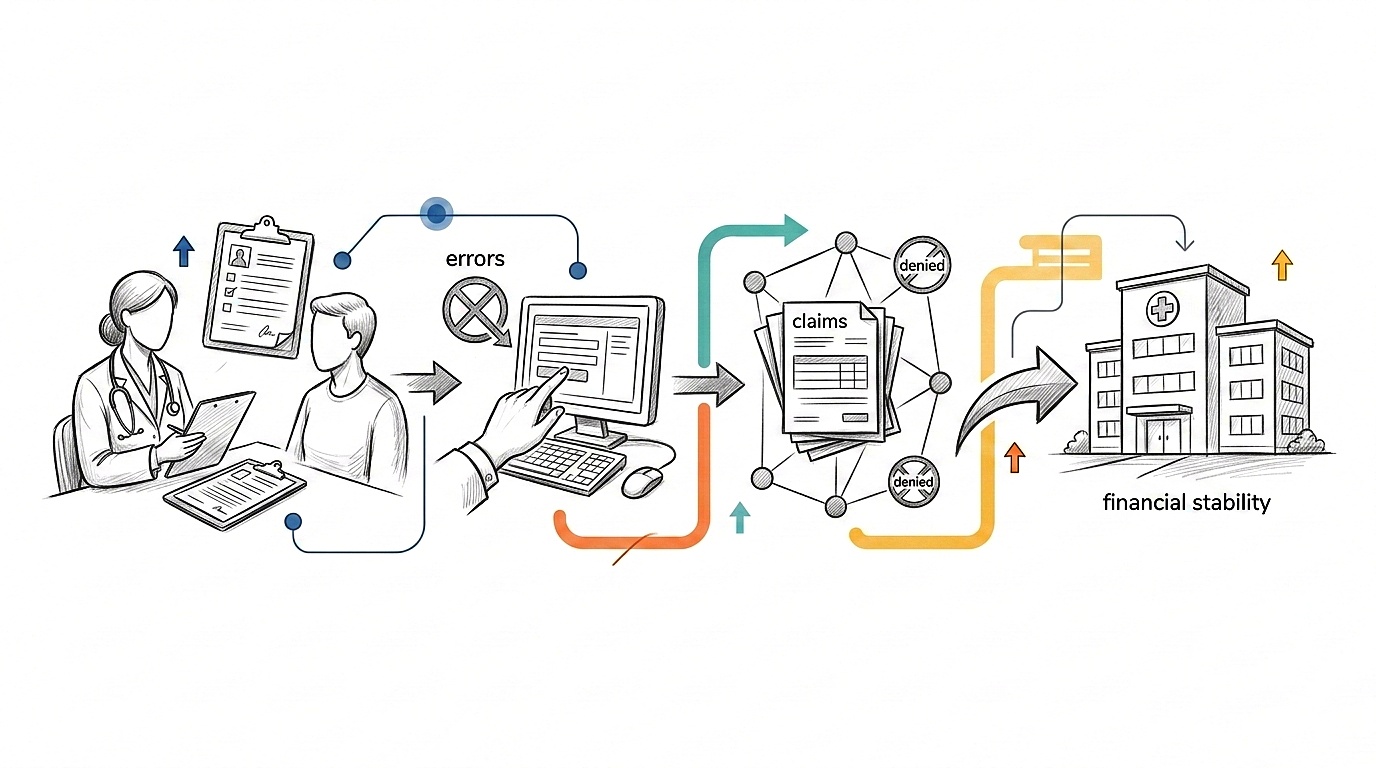
Healthcare finance teams face constant challenges, including late payments, denied claims, and missing billing information. Every part of the revenue cycle interacts with clinical records, insurance policies, and patient accounts, creating potential for errors throughout the process. Artificial intelligence now plays a critical role in this work, introducing accuracy, consistency, and clarity to highly complex financial tasks. AI revenue cycle management in healthcare demonstrates how data-driven systems can direct decisions, lower manual work, and ensure steady cash flow. This change is about building precision, trust, and long-term financial stability for healthcare organizations.
Revenue cycle work starts well before a claim is sent to an insurance company. It begins with patient registration, checking eligibility, coding, and proper documentation. These early steps form the foundation for every financial transaction. An incomplete data point at this stage can slow the process down later.
Many teams still depend on manual reviews and disconnected systems, which often leads to repeated work, write-offs, and slower payments. Over time, these problems reduce cash reserves and make financial planning less reliable. Using healthcare AI services can simplify these tasks. The technology provides intelligent insights and reduces manual work.
AI-driven systems can process large amounts of past and current data across all parts of the revenue cycle. They highlight patterns in claim denials, coding errors, and payer behavior. With this insight, teams can act in advance instead of reacting after money is lost. This change turns daily work from constant correction into planned execution.

Billing in healthcare involves thousands of transactions that demand close attention. Staff must verify codes, review payer requirements, and track claim status across various systems. With heavy workloads and time limits, mistakes become more likely. Intelligent automation changes this process by using clear rules and predictive analysis to guide tasks. AI Solutions can simplify these workflows. They bring different systems together and offer consistent, accurate guidance for every transaction.
AI systems can review clinical documents and identify coding issues before claims are submitted. Claims at risk of rejection are identified early, allowing teams time to correct them. Payment posting also becomes faster with automation. These functions automate repetitive work, freeing skilled staff to focus on complex cases that require judgment.
The value of AI revenue cycle management in healthcare is clear at this stage. Automation brings consistency while maintaining human oversight. Finance teams retain control and experience fewer disruptions across billing cycles.
Stable cash flow depends on both timing and accuracy. When payments arrive late, payroll planning, vendor commitments, and service growth all suffer. Traditional reports often point out problems only after they have already caused damage. Predictive insight changes this pattern by giving early warnings. AI strategy consulting helps finance teams apply predictive models effectively. It connects these powerful insights to the team's most important daily goals.
AI models review payer response times, denial patterns, and patient payment behavior. Finance leaders receive warnings about potential delays and shortfalls early. Teams can plan schedules early to stop cash gaps from growing. This shortens payment cycles, as issues are fixed before they grow.
Patient payment processes also improve through clear predictions. Clear cost estimates, accurate billing statements, and timely reminders reduce confusion. Payments arrive more consistently when financial communication is clear and patient-friendly.
Mistakes in coding and billing are a major reason for lost revenue. These problems originate from incomplete records, outdated code lists, or misinterpretation of payer rules. Manual audits find some issues, but they cannot cover everything on a large scale.
AI-based validation reviews each claim against current coding standards and insurance rules. Any differences are identified before submission, which prevents errors from reaching payers. Over time, these systems learn from past corrections and improve accuracy even further. As a result, error rates drop, and processes become more consistent. A custom AI strategy report helps organizations pinpoint where validation gaps exist. It then outlines clear steps to strengthen coding accuracy in billing workflows.
The second application of AI revenue cycle management in healthcare functions as a practical method to enhance quality control. Finance teams secure an additional review step without slowing billing cycles.
Technology works well when it becomes a natural part of daily work. AI tools connect registration, health records, and billing systems. This lets information move easily between departments, and shared visibility makes data easier to track and manage.
Leadership teams gain clear dashboards that reflect the financial position in simple terms. Metrics such as denial rates, payment timelines, and payer performance guide planning and discussions. Decisions are based on facts rather than assumptions. Clearly defined AI use cases help leadership link these insights directly to daily operational priorities across the revenue cycle. This alignment strengthens governance and builds accountability across revenue cycle operations.
Bringing AI into revenue cycle work requires practical planning. Success depends on clean data, clear processes, and trained staff. Many organizations begin with specific tasks such as denial prediction or automated code review. Expansion comes step by step once value is proven. Working with an experienced AI implementation partner helps teams apply these changes in a structured and controlled manner. A clear approach to AI adoption lets teams scale their efforts without interrupting daily work.
Staff involvement is key throughout this journey. Open communication about why the system is used builds trust. Teams see that technology improves accuracy and consistency without replacing their expertise. This balance supports steady adoption and generates lasting value over time.
Revenue cycle performance affects the financial health of every healthcare organization. Artificial intelligence has become a practical tool that brings accuracy, stability, and clear insight to billing operations. From spotting errors early to predicting cash flow patterns, these systems add structure to financial processes that are often complex. The impact of AI revenue cycle management in healthcare can be seen in steadier payments, fewer corrections, and improved operational visibility. Contact us to explore how an AI-driven approach can improve revenue cycle performance with precision.
AI revenue cycle management healthcare uses AI Solutions to automate billing, reduce coding errors, and improve cash flow stability.
Healthcare AI services analyze claims, detect denial patterns, and streamline workflows through targeted AI use cases.
AI strategy consulting aligns predictive tools with financial goals and outlines improvements through a custom AI strategy report.
An AI readiness assessment evaluates data quality and processes, while an AI maturity model measures financial automation capabilities.
Partnering with an AI implementation partner and following a structured AI adoption roadmap ensures phased, sustainable integration.
How to build HIPAA-compliant AI: when LLM providers need a BAA, data minimization, de-identification, audit controls and a reference architecture.
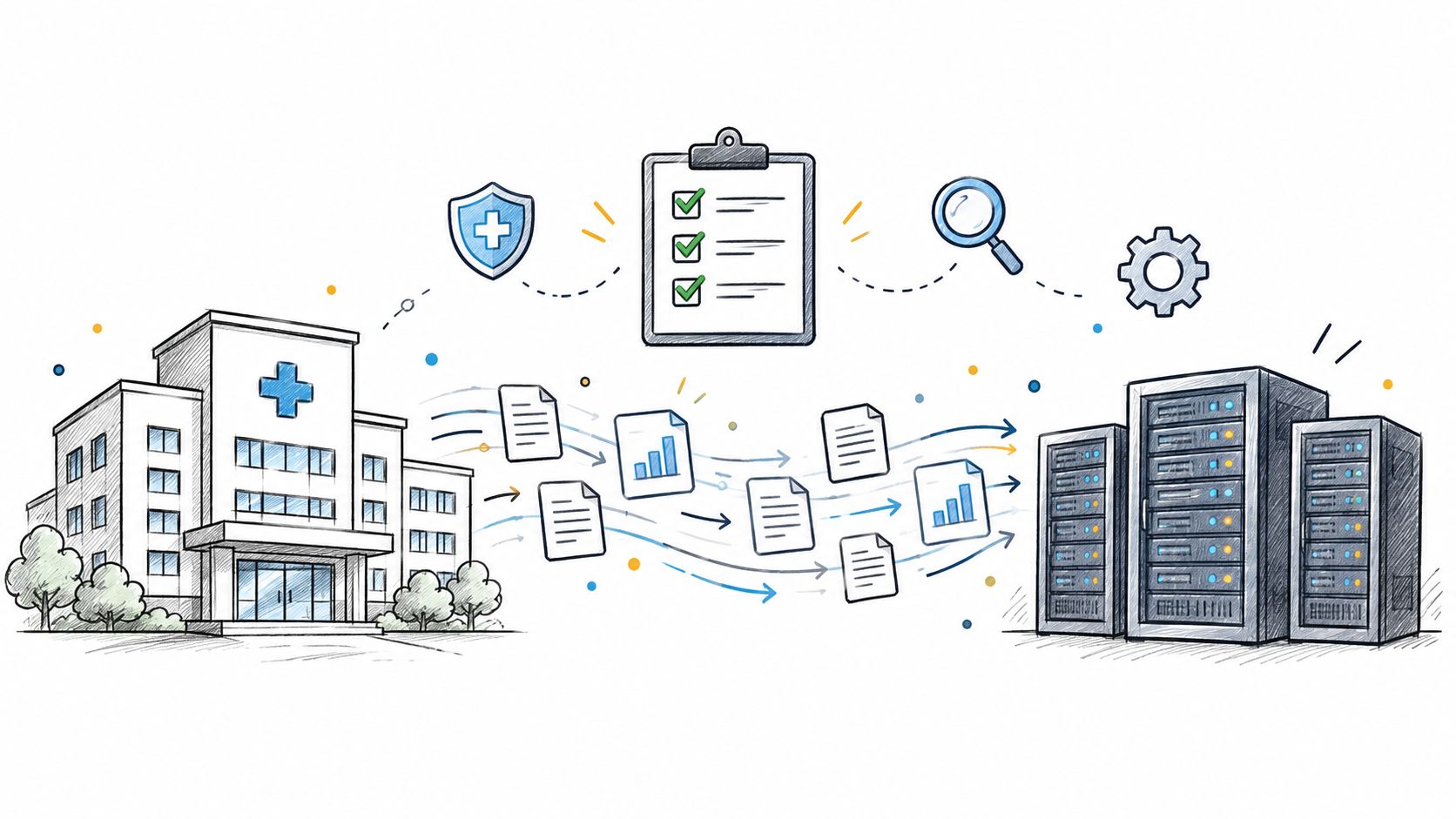
Practical data migration planning guide for healthcare teams. Scope, mapping, compliance, validation, cutover and rollback decisions explained end to end.

Smart on FHIR guide for healthtech engineers. Learn the OAuth 2.0 launch model, scope syntax, backend services, and US regulatory requirements.
Connect with our team to explore how AI expertise can transform your business.