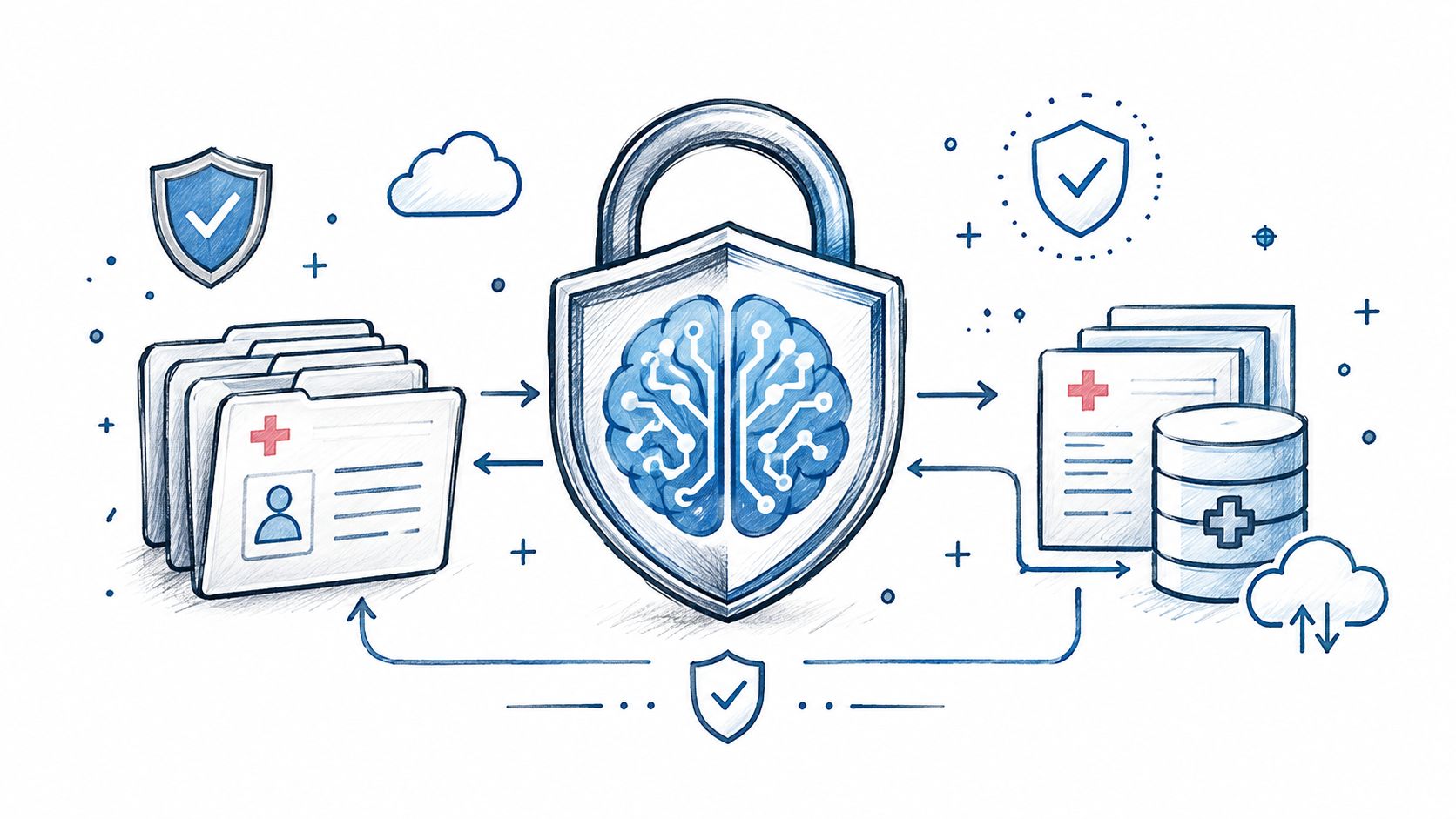
AI in Healthcare
HIPAA-Compliant AI: How to Use LLMs With PHI Safely
How to build HIPAA-compliant AI: when LLM providers need a BAA, data minimization, de-identification, audit controls and a reference architecture.
October 16, 2026Read more
AI in healthcare must align with strict regulations and compliance standards. Learn how organizations can navigate requirements, ensure data security, and deploy AI responsibly in clinical environments.
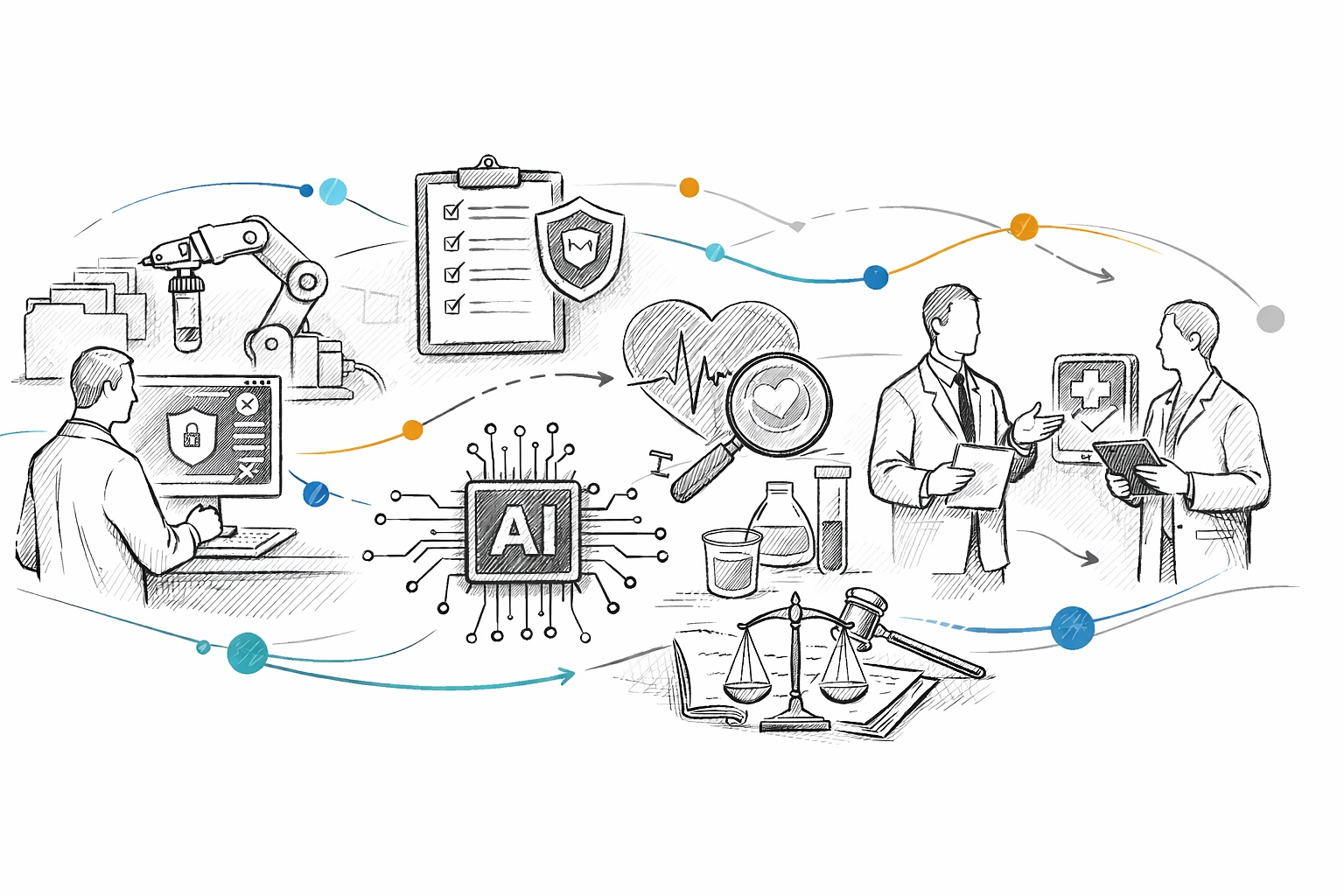
Healthcare systems today run on AI-driven tools that speed up diagnosis and bring more intelligence to patient care. Hospitals and care providers now use advanced tools to handle large amounts of data, improve clinical decisions, and make operations more efficient.
This rapid growth brings new duties, especially around keeping patient information safe and ensuring clinical results stay accurate. With this change, healthcare AI regulations have become a major focus across the industry. Risks like data misuse, unfair outcomes, and wrong predictions can affect patient safety and erode trust. Clear rules and compliance frameworks give organisations a path to use AI responsibly. This blog explains the key regulations and compliance requirements shaping AI in healthcare today.
Artificial intelligence in healthcare means using smart systems that read medical data and assist with clinical and administrative tasks. These systems power diagnostic tools, predictive analytics, and virtual assistants that guide patient care and strengthen decision-making. By processing large amounts of data quickly, AI reduces manual work and brings greater accuracy to healthcare operations. With AI workflow automation, routine tasks move forward without constant human input, allowing staff to focus on more complex responsibilities.
More providers are adopting AI as they look for faster insights, better patient outcomes, and smoother operations. Many organisations also work with a healthtech engineering partner to design and deploy AI systems that meet industry standards and technical needs. As usage grows, healthcare AI regulations set the rules for how these systems operate within legal and ethical boundaries, guiding their safe and responsible use.
Healthcare organisations using healthcare AI services must follow clear regulatory frameworks. This helps them manage risks and keep trust intact.
Healthcare data holds sensitive personal and medical information. Regulations lay out rules for how to collect, store, and share this data with strong privacy controls.
AI systems influence clinical decisions. Compliance frameworks demand testing and validation to lower the chance of wrong outcomes.
Patients and providers want transparency. Clear rules give people confidence in how AI systems work and arrive at decisions.
Failing to comply can bring financial fines and legal trouble. Regulations offer clear expectations for using AI safely and lawfully.

Data privacy laws define how patient information must be protected. Rules like HIPAA in the United States and GDPR in Europe focus on keeping data confidential, controlling who can access it, and transferring it securely. These laws guide healthcare providers in handling patient records with care and responsibility.
AI systems used for diagnosis or treatment often fall under the category of Software as a Medical Device. These systems need strict validation and approval before doctors can use them. Regulatory bodies review their safety, performance, and reliability to confirm they meet medical standards.
New regulatory frameworks now focus directly on artificial intelligence. The European AI Act introduces a risk-based approach. It classifies systems based on how much impact they have. High-risk systems face tighter requirements, including transparency, ongoing monitoring, and proper documentation.
Regulations differ from one region to another. This creates complexity for healthcare providers who operate across borders. Organisations must follow multiple frameworks and adjust their compliance strategies to meet both local and international rules. For SaMD solutions, this often means navigating different approval pathways and documentation requirements in each region.
Healthcare AI systems need clear compliance practices to run safely and responsibly. These requirements cover data protection, system accuracy, transparency, and accountability. The following areas show how organisations can align AI systems with regulatory expectations and keep trust strong in healthcare settings. A well-documented custom AI strategy report helps organisations map out these requirements from the start.
Healthcare organisations must handle data through secure collection, storage, and sharing methods. Patient consent and openness remain central to keeping trust and meeting compliance rules.
AI systems need testing before they go live. Ongoing monitoring tracks system performance and spots risks during real-world use.
AI decisions must be clear to healthcare professionals. Good documentation of models and processes improves understanding and accountability.
Bias in AI systems can lead to unfair results. Ethical frameworks guide developers to build systems that treat every patient fairly.
AI systems must stay protected against cyber threats. Regular audits and security checks lower the risk of data breaches.
Organisations must assign clear roles and responsibilities. Internal policies and governance structures guide compliance work across all teams.
Rules and frameworks keep shifting. This means organisations must constantly update their compliance approaches. Even with AI automation services handling some tasks, staying current remains a challenge.
Different regions follow different rules. This creates confusion for healthcare providers who operate across multiple countries.
Older systems often do not line up with modern AI requirements. This brings both technical difficulties and compliance risks.
Meeting compliance demands money for technology, staff training, and governance structures. These costs can add up quickly.
Planning early lowers risks and keeps systems in line with regulations from day one. With proper AI implementation support, organisations can embed compliance into every stage of development.
Work With Legal and Regulatory Experts: Expert advice brings clarity to complicated compliance requirements.
Maintain Proper Documentation: Clear records improve transparency and make audits easier to handle.
Regular Audits and Updates: Ongoing reviews keep systems aligned with regulations as they change over time.
Use Secure and Scalable Systems: Reliable infrastructure supports long-term compliance and gives room to grow.
AI regulation in healthcare is taking on a more defined shape. Compliance frameworks are getting stricter, and oversight bodies are paying closer attention. Ethical standards are gaining ground as organisations focus on fairness and responsibility. Different regions are also working toward better alignment, which may lower the complexity of running healthcare operations across borders. As new AI use cases emerge in clinical settings, regulations will need to keep pace. These trends point to a future where healthcare AI regulations become more controlled, transparent, and predictable.
AI continues to shape healthcare through powerful data analysis and better clinical workflows. At the same time, following healthcare AI regulations sets the boundaries for how safely and responsibly these systems operate. Organisations must balance new ideas with clear regulatory alignment to protect patients and hold onto trust. Contact us to understand how structured compliance strategies can guide AI adoption in healthcare.
Healthcare AI regulations define rules for safe AI use, data protection, and ethical practices across various AI use cases.
Healthcare AI services use AI workflow automation and AI automation services to ensure systems follow healthcare AI regulations efficiently.
A healthtech engineering partner offers AI implementation support and ensures SaMD solutions meet regulatory and safety standards.
A custom AI strategy report outlines compliance needs and aligns AI use cases with healthcare AI regulations.
AI implementation support ensures smooth integration of AI workflow automation while meeting healthcare AI regulations and compliance requirements.
How to build HIPAA-compliant AI: when LLM providers need a BAA, data minimization, de-identification, audit controls and a reference architecture.

Practical data migration planning guide for healthcare teams. Scope, mapping, compliance, validation, cutover and rollback decisions explained end to end.
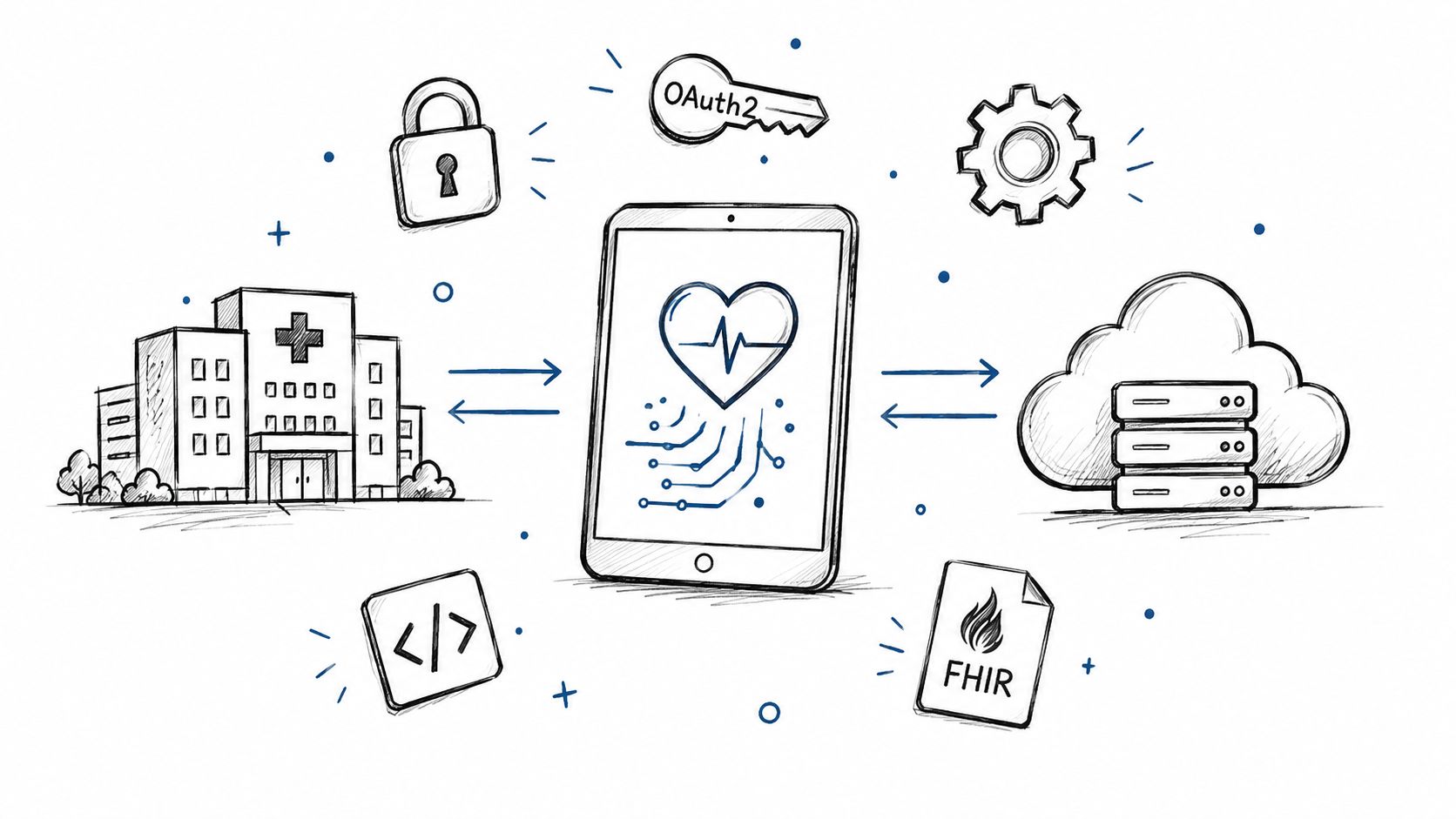
Smart on FHIR guide for healthtech engineers. Learn the OAuth 2.0 launch model, scope syntax, backend services, and US regulatory requirements.
Connect with our team to explore how AI expertise can transform your business.