AI is reshaping manufacturing by introducing intelligent systems that think, learn, and make real-time decisions. These systems optimize production, predict equipment failures, ensure quality, and streamline supply chains, resulting in factories that are smarter, more responsive, and more efficient.
The Rise of Smart Factories
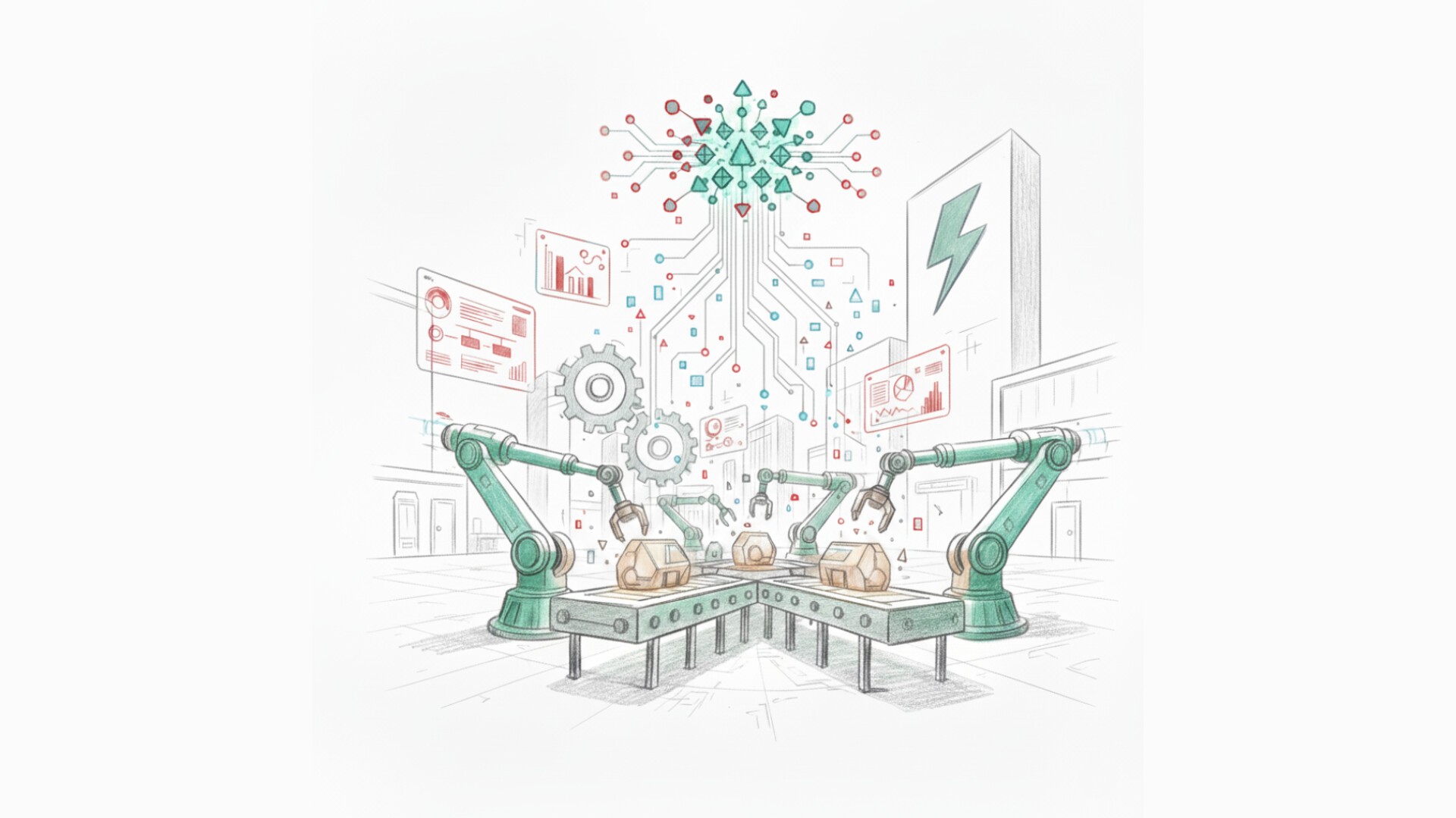
A few years ago, a fully connected factory seemed like science fiction. Today, it's our reality. This change is powered by AI solutions that bring together machines, sensors, and data. These intelligent systems act as the factory's brain. They turn raw data into practical insights that move the entire operation forward.
Smart factories thrive on real-time data. This allows them to streamline operations like never before. Imagine a system that predicts machine failures before they occur. It can adjust production schedules automatically and spot tiny defects invisible to the human eye. This goes beyond saving time. It achieves new levels of precision, slashes waste, and lifts productivity to new heights.
Understanding AI in the Manufacturing Landscape
At its heart, manufacturing has always been a race for perfection, striving for better precision, more speed, and greater efficiency. In the past, this depended mostly on manual controls and human intuition. But now, AI in Manufacturing is changing the game. Factories are increasingly powered by intelligent algorithms that can sift through massive amounts of data. These systems don't just collect information; they identify trends, predict potential issues, and even suggest improvements, all on their own.
For example, consider predictive maintenance. By using machine learning to analyze data from machine sensors, vibrations, and temperature, these systems can accurately forecast potential breakdowns before they happen. This not only prevents costly, unplanned downtime but also significantly reduces repair expenses. On the quality control side, AI-powered visual inspection systems use advanced deep learning to spot tiny product defects in milliseconds. This ensures a consistently high level of quality that is difficult to achieve through manual checks.
Companies are also exploring AI use cases in generative design. Here, the AI creates numerous design options that meet specific performance goals. This helps engineers develop lighter, more cost-effective products while using less material.
The Role of AI Strategy Consulting and Implementation Partners
Shifting to a smart factory involves more than just buying new technology; it requires a smart, tailored plan. This is precisely where AI strategy consulting and a reliable AI implementation partner become essential. These experts guide manufacturers through the entire process. They help you assess your current readiness, build a practical AI roadmap, and ensure every step you take supports your core business objectives.
With a well-planned AI adoption roadmap, manufacturers can introduce AI in manageable stages. They can start with small pilot projects to see how it works, and then expand the technology across their operations as they see positive results. This step-by-step approach promotes steady, sustainable growth and helps avoid the common mistakes that come with rushing into new technologies.
Key AI Technologies Powering Smart Factories
1. Machine Learning (ML) and Predictive Maintenance
Machine learning lets systems learn from data to make accurate predictions. In manufacturing, this powers predictive maintenance. It monitors equipment health to forecast failures before they happen. This reduces downtime, cuts production losses, and boosts equipment efficiency.
2. Deep Learning for Quality Control
Using high-resolution cameras and deep neural networks, factories can now inspect thousands of parts in mere seconds. AI use cases like automated visual inspection spot even the tiniest defects, ensuring that only flawless products move down the assembly line.
3. Generative Design
With AI-driven generative design, engineers simply input their design goals, and the software produces a range of possible solutions. The results are often designs that are more efficient, lighter, and stronger than those from traditional methods. This helps manufacturers accelerate innovation and bring better products to market faster.
4. Robotics and Automation
AI-powered robots are introducing a new level of flexibility to assembly lines. These advanced machines can adapt to new tasks, collaborate safely with human workers, and increase production speed without compromising quality.
5. Digital Twins
A digital twin is a virtual replica of a physical factory or machine. This powerful model allows manufacturers to simulate and test different scenarios without ever disrupting the actual production line. With the right AI implementation partner, companies can use these digital twins to monitor and optimize their operations in real time.
Building the Foundation: AI Readiness and Maturity
Before diving into AI, a company needs to take an honest look at its current digital capabilities. Conducting an AI readiness assessment is the perfect first step. It helps pinpoint gaps in your data, technology, and team skills, ensuring your business is genuinely prepared to integrate AI tools smoothly and effectively.
Once a company understands its readiness, the next step is to measure its progress using an AI maturity model. This framework shows how a company's AI capabilities grow, from basic automation to fully intelligent, self-improving systems. With help from AI strategy consulting firms, manufacturers can receive a custom AI strategy report. This document serves as a personalized guide, detailing the specific steps required to advance to the next level of AI maturity.
This disciplined approach makes sure that every investment in AI in Manufacturing pays off, directly boosting long-term efficiency, improving product quality, and driving sustainable business growth.
How Smart Factories Redefine Efficiency
Modern manufacturing efficiency means working smarter, not just faster. Smart factories achieve this by redefining operations through:
Predictive Operations: AI anticipates equipment failures and supply issues before they disrupt work.
Real-Time Insights: Live dashboards give managers immediate visibility into every performance metric.
Improved Quality: Automated inspections ensure consistent, error-free output.
Resource Optimization: AI use cases in energy management cut waste and lower operational costs.
Flexibility: Production lines quickly adapt to changing customer demands and custom orders.
Manufacturers following a strong AI adoption roadmap don't just boost productivity; they build sustainable operations. Reduced waste, improved energy efficiency, and more intelligent logistics deliver both economic and environmental benefits.
The Future of AI in Manufacturing
The potential for AI in Manufacturing is truly exciting. As more companies embrace digital tools, our factories will grow smarter and more connected than ever before. AI will keep improving, making production more precise, reducing downtime, and enabling the efficient large-scale production of custom goods.
Using frameworks such as an AI maturity model and a custom AI strategy report will help businesses track their growth and maintain a competitive advantage. As AI technology becomes more affordable, smaller manufacturers will also be able to use these advanced systems to boost their own efficiency.
Ultimately, the close partnership between AI strategy professionals and manufacturers will be key. Together, they'll build intelligent environments where data, team members, and technology all work in harmony.
Conclusion
The world of manufacturing is being reshaped by AI. Smart factories, driven by AI, are not just improving but completely reimagining what's possible, setting new benchmarks for efficiency, quality, and sustainability.
By combining the right AI solutions, expert AI strategy, and a trusted AI implementation partner, any manufacturer can confidently step into the future of intelligent production. Starting with an AI readiness assessment and a clear AI adoption roadmap makes this journey smooth and successful.
There's no better time to begin. Investing in a custom AI strategy report and understanding your AI maturity model is your first step toward building the smart factory of tomorrow.
If you're ready to unlock the potential of AI for your business, please contact our team. We're here to provide the expert guidance and support you need.
FAQ
1. How is AI in manufacturing transforming production processes?
AI in manufacturing drives smarter factories by predicting failures, improving quality, and optimizing workflows, ensuring greater precision, reduced waste, and sustainable production efficiency.
2. Why is AI strategy consulting important for manufacturers?
AI strategy consulting helps companies align business goals with AI solutions, ensuring smooth transformation through data-driven planning and expert guidance for measurable performance improvement.
3. What are some effective AI use cases in manufacturing?
Popular AI use cases include predictive maintenance, automated inspections, generative design, and robotics - each enhancing product quality, minimizing downtime, and optimizing factory operations.
4. How do AI readiness assessment and AI maturity model support growth?
An AI readiness assessment identifies capability gaps, while the AI maturity model tracks progress, helping manufacturers plan improvements through a clear AI adoption roadmap.
5. What value does a custom AI strategy report offer manufacturers?
A custom AI strategy report provides tailored insights for integrating AI in manufacturing, guiding technology investment, and boosting competitiveness with a scalable, future-ready framework.