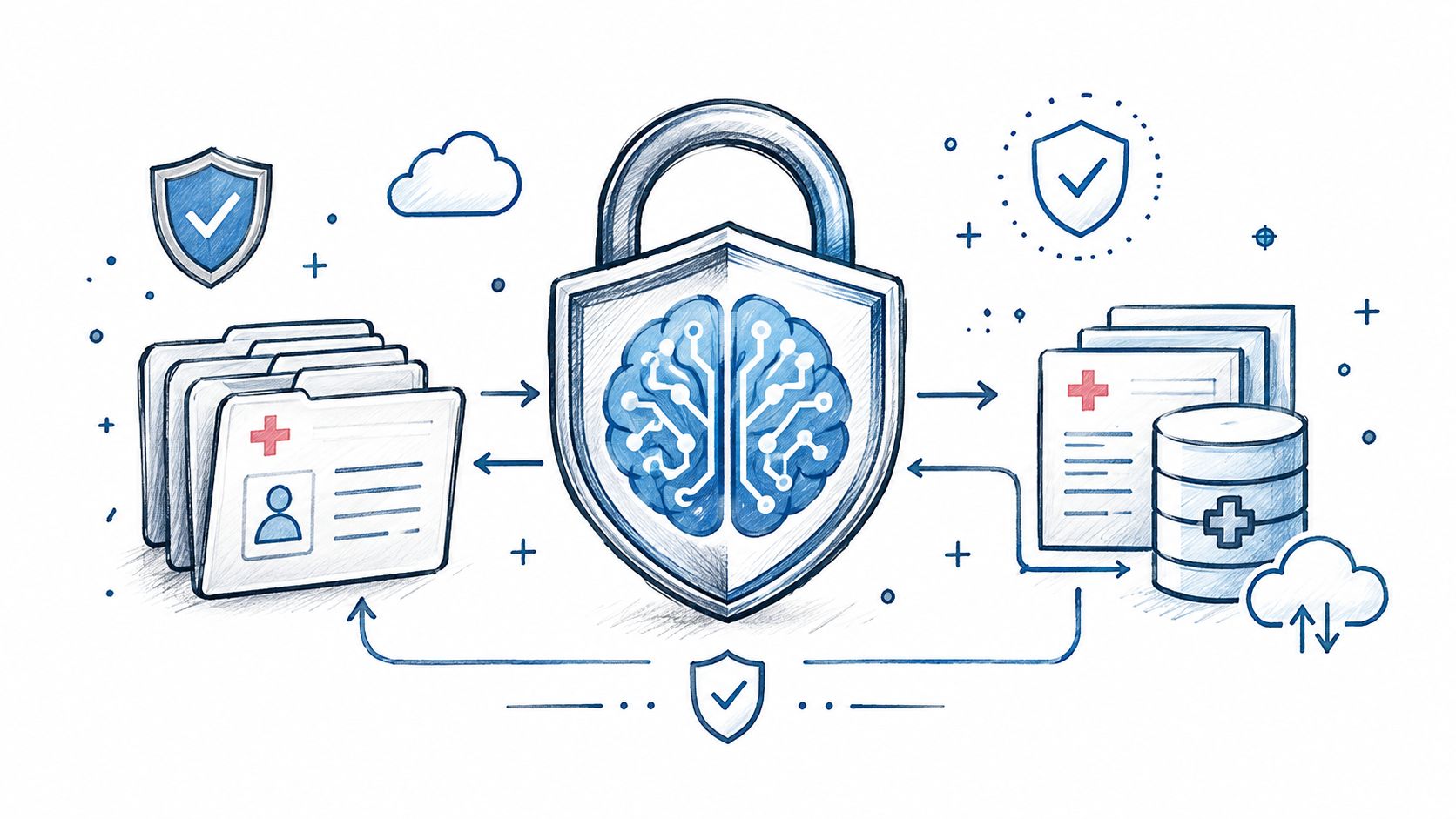
AI in Healthcare
HIPAA-Compliant AI: How to Use LLMs With PHI Safely
How to build HIPAA-compliant AI: when LLM providers need a BAA, data minimization, de-identification, audit controls and a reference architecture.
October 16, 2026Read more
AI assistants are transforming healthcare by supporting providers with real-time insights, automating routine tasks, and improving efficiency. They help enhance patient care while reducing workload.

Healthcare systems face constant strain from rising patient demand, complex paperwork, and long working hours. Doctors spend much of their day filling out forms, which reduces the time they can spend with patients. Staff exhaustion continues to grow, while patient expectations keep climbing. People want quicker responses, clear communication, and steady access to care. Traditional systems often struggle to meet these needs, especially when resources remain limited. This gap between demand and capacity creates challenges for both providers and patients.
In this environment, AI assistants in healthcare are gaining attention as a practical way forward. These tools bring structure to daily workflows and reduce manual tasks, giving providers a clearer way to manage growing responsibilities with control and focus.
AI assistants in healthcare are digital tools created to handle routine and data-focused tasks in medical settings. They work alongside doctors and nurses, taking care of daily operations without adding extra complexity. Many hospitals and clinics use healthcare AI services to bring these systems into practice and align them with existing workflows.
These assistants come in different forms. Chatbots respond to patient questions and guide simple interactions. Voice assistants capture conversations and turn them into clear notes. Data-driven systems review information and provide insights that support clinical decisions. Each type has a clear role in reducing repetitive tasks.
The core of these tools lies in technologies such as natural language processing, machine learning, and data analytics. These methods process large amounts of medical information and turn it into practical outputs. Through automation and communication, they connect patient needs with provider workflows in a structured and reliable way.

Healthcare systems keep expanding, and traditional methods struggle to keep pace. AI assistants are growing quickly because hospitals and clinics need faster processes, continuous service, and smarter use of resources. Their rise matches the wider move toward digital healthcare systems. Speed has become a priority, as patients expect quick answers, accurate diagnoses, and shorter waiting times. These systems process information rapidly, which improves response times across departments.
Continuous availability has also become a standard expectation. Patients look for assistance at any hour, and providers need systems that remain active beyond normal working hours. AI assistants meet this demand by handling queries and updates without pause. Cost reduction is another factor, since administrative work consumes both time and money. Automated systems reduce manual involvement and bring consistency to repetitive tasks.
Many organizations work with a healthtech engineering partner to design and integrate these systems effectively. The healthcare sector continues to adopt digital solutions at scale, creating an environment where AI assistants fit smoothly into existing systems and strengthen overall operations.
Healthcare providers constantly struggle with too many responsibilities and limited time. Daily work includes both patient care and administrative tasks, which places heavy pressure on teams. This imbalance reduces efficiency, increases fatigue, and cuts into the time that should be spent with patients.
Documentation: Medical records require detailed and accurate updates for every patient. Doctors spend long hours entering information, which reduces time for direct care and slows down workflow.
Scheduling: Managing appointments across departments can be complex. Coordinating visits, handling reschedules, and avoiding overlaps demands constant attention, adding to the workload.
Billing: Billing involves insurance checks, claim processing, and payment tracking. These tasks require precision and take significant time, especially when managed manually.
Continuous administrative pressure leads to staff fatigue and reduced productivity. When teams spend more time on repetitive tasks, overall efficiency drops, and the quality of care can be affected. AI assistants address these challenges by reducing manual workload, bringing structure to processes, and allowing healthcare providers to focus more on patient care.
Administrative work takes up a large part of healthcare operations and often consumes valuable time that could be spent with patients. AI assistants manage appointment scheduling, billing, and data entry with accuracy and consistency. They organize patient information, update records instantly, and reduce the need for manual effort in routine tasks. These systems bring order to daily workflows by cutting down repetition and reducing delays caused by manual errors. Staff can complete more tasks within the same time frame, and processes become smoother and more reliable.
Clinical settings demand quick decisions based on accurate data. AI assistants provide support with symptom review, decision guidance, and instant access to patient information. They examine medical history, identify patterns, and present insights in a clear format. This reduces the time spent searching through records and improves focus during consultations. They also strengthen consistency in clinical processes by organizing information in a structured way. Doctors can access updated patient data immediately, which improves decision flow during critical situations. As a result, clinical teams gain clarity, faster responses, and more dependable outcomes.
Patient interaction is a key part of healthcare delivery. AI assistants manage queries, send reminders, and follow up on appointments. This keeps communication active without adding extra workload for staff. They provide timely responses to common questions, improving patient experience and reducing waiting time. Consistent communication builds trust and keeps patients informed about their care journey. Healthcare teams also gain clear visibility into patient interactions, which improves coordination and service quality. A well-planned custom AI strategy report guides the setup of these systems based on specific healthcare needs.
Efficient workflows shape the quality of healthcare services. AI assistants streamline operations, reduce waiting times, and speed up internal processes. These improvements raise productivity across departments. They bring consistency to daily tasks and reduce delays caused by manual coordination. Teams can manage patient flow with greater clarity and improved time allocation. This creates a more organized environment where both staff and patients experience smoother processes. Many organizations explore SaMD solutions to integrate AI within clinical and operational systems.
One of the clearest outcomes is a lighter workload. AI assistants take over repetitive tasks, easing pressure on staff and improving daily conditions. This gives doctors more space for meaningful clinical interactions through virtual assistants for doctors.
Efficiency improves when workflows are structured, and tasks are completed faster. These systems carry out tasks with consistency, which strengthens operational flow across departments. Many providers use AI support tools to help clinicians maintain this level of efficiency.
Accuracy rises as automated systems reduce manual errors in documentation and data entry. Reliable data support stronger clinical decisions and lower risk, leading to more dependable healthcare outcomes.
Hospitals see cost savings through reduced administrative overhead and smarter use of resources. Operations run with greater control and fewer delays, which strengthens overall financial performance.
Staff gain more time for patient care when repetitive tasks are reduced. This improves patient experience and allows stronger clinical focus through the use of healthcare productivity tools.
The rise of AI assistants in healthcare reflects a clear move toward structured, efficient, and patient-focused systems. These tools ease workload, improve accuracy, and create space for meaningful clinical care. They work alongside healthcare providers, strengthening daily operations without replacing human expertise. Healthcare organizations that plan this transition with clarity gain lasting value.
Contact our team to learn how these systems can align with healthcare goals and how AI assistants in healthcare can support long-term progress.
AI assistants in healthcare are digital tools that handle routine tasks, supported by healthcare AI services and often built with a healthtech engineering partner.
They act as virtual assistants for doctors by managing documentation, scheduling, and communication, improving efficiency with healthcare productivity tools.
AI support tools clinicians use provide insights, review patient data, and assist decision-making, often integrated through SaMD solutions.
A custom AI strategy report and AI implementation approach help deploy AI assistants in healthcare effectively within existing workflows.
They reduce workload, improve accuracy, and boost efficiency using healthcare productivity tools and advanced AI assistants in healthcare systems.
How to build HIPAA-compliant AI: when LLM providers need a BAA, data minimization, de-identification, audit controls and a reference architecture.

Practical data migration planning guide for healthcare teams. Scope, mapping, compliance, validation, cutover and rollback decisions explained end to end.
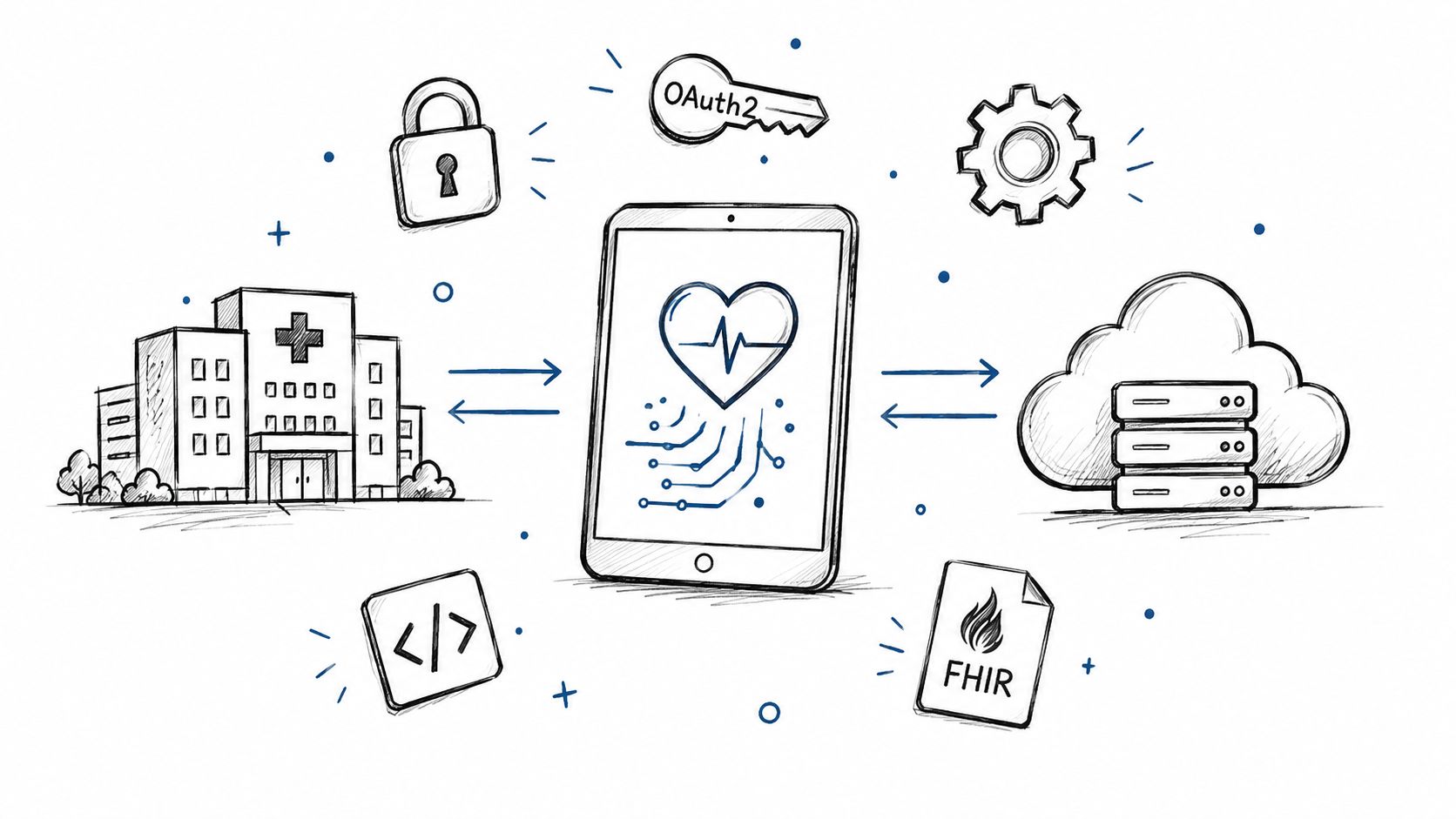
Smart on FHIR guide for healthtech engineers. Learn the OAuth 2.0 launch model, scope syntax, backend services, and US regulatory requirements.
Connect with our team to explore how AI expertise can transform your business.