AI in Healthcare
Smart on FHIR: What It Is and How It Works in Practice
Smart on FHIR guide for healthtech engineers. Learn the OAuth 2.0 launch model, scope syntax, backend services, and US regulatory requirements.
October 14, 2026Read more
Discover how AI-powered healthtech operations streamline care, reduce costs, and improve outcomes. Learn key use cases, KPIs, and how to get started.

When we talk about AI-powered healthtech operations, we're not just talking about another piece of software. Think of it as the new central nervous system for a hospital or clinic. It’s about using artificial intelligence to intelligently automate, optimize, and even predict what’s going to happen next across the entire organization—from the front desk to the operating room. This moves health systems beyond simple digital tools and into a world of truly responsive, patient-focused care.
For decades, running a hospital has felt like managing organized chaos. The "nervous system"—that web of processes handling everything from patient scheduling and staff assignments to billing and supply orders—has been overwhelmingly manual, fragmented, and slow. This creates bottlenecks everywhere: emergency room backlogs, frustrating administrative delays, and operational costs that spiral out of control.
AI is here to rewire this system from the ground up. This isn't about simply making old, clunky processes run a little faster. It's about creating a predictive, self-correcting environment where potential problems are flagged and solved before they ever impact a patient.

To put this shift into perspective, let's look at the contrast between the old and new ways of working.
This table highlights just how deep the transformation goes, moving operations from a constant state of reaction to one of proactive, intelligent management.
| Operational Area | Traditional Approach (Manual & Reactive) | AI-Powered Approach (Automated & Predictive) |
|---|---|---|
| Patient Flow | Manual bed assignments based on phone calls and whiteboards; reactive adjustments to bottlenecks. | Predictive models forecast discharges and admissions, optimizing bed allocation in real-time. |
| Revenue Cycle | Manual coding, claim submissions, and denial follow-ups; high error rates and long payment cycles. | AI automates prior authorizations, flags coding errors, and predicts likely denials to improve first-pass rates. |
| Staffing | Static, spreadsheet-based schedules; difficult to adapt to fluctuating patient census. | AI analyzes historical and real-time data to forecast staffing needs, preventing over- and under-staffing. |
| Supply Chain | Periodic manual inventory counts; reliance on historical ordering patterns, leading to stockouts or waste. | Predictive analytics forecast demand for supplies based on scheduled procedures and patient volume. |
This isn't a futuristic dream; it's the new standard for operational excellence in healthcare.
The move toward AI isn't just a trend; it's a strategic necessity, and the numbers tell the story. Within the massive $4.9 trillion U.S. healthcare industry, the adoption of AI is happening 2.2 times faster than in the broader economy.
Recent data from 2026 shows that 22% of healthcare organizations are now using domain-specific AI—a tenfold jump from just two years ago. Health systems are at the forefront, with a 27% adoption rate, and spending on healthcare AI has already hit $1.4 billion this year.
By automating the administrative grind and delivering predictive insights, AI gives clinicians and staff their time back. It allows them to stop fighting fires and focus on what they were trained to do: care for patients.
So, where do you begin? The first step is moving from concept to a concrete plan. A focused AI strategy consulting process is crucial for any provider looking to make a real impact. It helps you pinpoint exactly where AI can solve your biggest headaches, ensuring every dollar invested is tied to a measurable improvement.
This kind of strategic thinking helps health organizations solve persistent challenges like:
Tackling these core areas is the first step toward building smarter, more resilient operations. It's the foundation of modern Healthcare AI Services that deliver real-world results.
Theory is one thing, but seeing AI-powered healthtech operations in action is where it all clicks. The real value comes from applying this technology to solve the stubborn, everyday problems that have bogged down healthcare for decades.
Let's move past the buzzwords and look at four core areas where AI is already making a tangible difference: Clinical Operations, Revenue Cycle, Patient Engagement, and the Supply Chain. As we dig in, you'll see how specialized AI tools are moving from the hypothetical to the practical.

At the heart of any hospital or clinic are its clinical workflows. Unfortunately, they're often a tangled mess of manual scheduling, guesswork in resource allocation, and unpredictable patient surges. AI is finally bringing a dose of predictive intelligence to smooth out these operational bumps.
Predictive Bed Management: Forget the frantic scramble for available beds. AI models can forecast patient admissions and discharges with impressive accuracy. This lets hospitals manage bed assignments proactively, cutting down on those frustrating ER wait times and preventing the system-wide stress of overcrowding.
Intelligent Staff Scheduling: AI can look at historical patient data, seasonal flu patterns, and even local events to predict exactly how many staff members you’ll need on any given shift. This means you have the right people on duty—avoiding clinician burnout from being short-staffed and the financial drain of being overstaffed.
Operating Room Optimization: Think of this as air traffic control for your surgical suites. AI algorithms untangle the complex web of surgical backlogs, surgeon schedules, and equipment availability to create the most efficient OR schedule possible. The result? Better use of expensive facilities and shorter, less stressful waits for patients needing critical procedures.
These applications directly tackle the operational gridlock that so many health systems face. For a closer look at how AI can support your clinical teams, our guide on the HCP Engagement Co-pilot is a great resource.
A provider’s financial stability hinges on its revenue cycle, but this area is a notorious minefield of complexity, manual data entry, and human error. AI is stepping in to automate and sharpen the entire process, from the first point of patient contact to the final payment.
By taking over tedious administrative work, AI frees up your staff to focus on the complex, high-value tasks that actually prevent lost revenue. This is a game-changer, especially when claim denials can cost an average hospital $5 million a year.
Here’s how AI is cleaning up the revenue cycle:
A great patient experience isn’t just a "nice-to-have" anymore; it’s essential for building loyalty and driving better health outcomes. AI gives providers the ability to deliver personalized, proactive communication that just isn't possible at scale with human teams alone.
For example, an intelligent chatbot can answer routine patient questions around the clock, help schedule appointments, or provide pre-op instructions. Your front-desk staff is then freed up to handle patients with more urgent or complicated needs. AI-driven reminders for medication refills or follow-up appointments can also make a huge impact on health outcomes and keep patients from being readmitted unnecessarily.
Managing a hospital’s supply chain—from exam gloves to expensive pharmaceuticals—is a constant tightrope walk. Order too little, and you risk a stockout of a critical item. Order too much, and you're wasting money on expired products and storage.
AI-powered analytics moves this entire function from reactive ordering to predictive inventory management. By analyzing data from scheduled procedures, historical usage, and even seasonal demand, AI can forecast what you’ll need with remarkable precision. This approach prevents expensive surprises while cutting down on waste.
These are just a few examples of AI in action, illustrating how operational headaches can become genuine opportunities for growth and a better standard of care.
Bringing AI-powered healthtech operations into your organization isn’t just about adopting the latest technology. It’s about creating real, measurable business value. But how do you prove your AI investments are actually working? The key is to look past vague promises of "improvement" and zero in on the specific Key Performance Indicators (KPIs) that directly impact your operations and financial health.
Any successful AI project has to deliver results you can count. This is why a thorough AI requirements analysis is so important—it connects the technology to clear business objectives from the very beginning. Your goal should be to build a clear scorecard that justifies the cost, proves the value, and builds support for what comes next.
To track your impact, you have to connect AI tools to the specific operational areas they're meant to fix. That means measuring quantifiable changes in your clinical workflows, revenue cycle, patient interactions, and supply chain.
Think of it like a diagnostic test for your own hospital or clinic. Before you prescribe a solution, you need a baseline. What are your current patient wait times? What's your average claim denial rate? Once you know where you stand, you can set realistic targets and measure your progress as you roll out new AI applications.
Our own AI Automation as a Service is built around delivering exactly these kinds of measurable results. We focus on building systems that not only work more efficiently but also generate the data you need to prove their worth.
So, where should you start? The following table provides a practical framework for tying specific AI applications to the metrics that matter most to leadership and your bottom line. It breaks down critical KPIs for each of the four key operational domains, giving you a clear roadmap for measuring success.
KPIs for Measuring AI Impact in HealthTech Operations This table provides specific, measurable Key Performance Indicators (KPIs) to track the success of AI implementations across different operational areas.
| Operational Domain | Key Performance Indicator (KPI) | Example AI Application Driving This KPI |
|---|---|---|
| Clinical Operations | Reduced Patient Wait Times | AI-powered patient flow models that predict ER surges and optimize room turnover, leading to faster throughput. |
| Increased Operating Room Utilization | Intelligent scheduling algorithms that de-conflict surgeon, staff, and equipment availability to maximize OR usage. | |
| Revenue Cycle | Decreased Days in Accounts Receivable (A/R) | Automated claims processing and denial prediction tools that accelerate submissions and improve first-pass payment rates. |
| Reduced Claim Denial Rate | AI that scrubs claims for errors, verifies medical coding accuracy, and automates prior authorizations before submission. | |
| Patient Engagement | Improved Patient Satisfaction Scores (CSAT) | AI-driven chatbots and communication platforms that provide 24/7 support and personalized appointment reminders. |
| Lower Appointment No-Show Rate | Predictive models that identify patients at high risk of missing appointments, allowing for proactive, targeted outreach. | |
| Supply Chain | Optimized Inventory Levels | Predictive analytics that forecast demand for medical supplies and pharmaceuticals based on scheduled procedures and seasonal trends. |
| Reduced Medication Waste | AI-powered inventory management systems that monitor expiration dates and usage patterns to minimize spoilage. |
By tracking these KPIs, you move from abstract benefits to concrete evidence of ROI. This data becomes the backbone of your strategy, allowing you to refine your approach and demonstrate value to all stakeholders.
This KPI-first approach is how you build a powerful business case for AI. When you can walk into a boardroom and say, "Our pilot project cut claim denials by 15% last quarter, which saved us $200,000," you're speaking a language that every executive understands.
It’s a world away from vague promises of "efficiency." As we’ve seen in many real-world use cases, success is always defined by hard numbers. Every successful pilot, backed by solid data, becomes a stepping stone for wider adoption and a deeper operational shift. The path to a smarter, more responsive healthcare system is paved with these measurable wins.
Getting started with AI-powered healthtech operations isn't just about writing a few clever algorithms. It's about laying a rock-solid foundation—one that’s secure, scalable, and built to meet healthcare's strict compliance demands. Think of it as the technical and governance blueprint for your entire AI strategy. Getting this part right isn't just important; it's non-negotiable.
This foundation starts with your data. We all know the reality of healthcare data: it's often fragmented, siloed across countless EHRs, billing systems, and imaging archives. To fuel any meaningful AI, you first have to create a unified data layer where information can be securely accessed and processed. This means embracing modern standards like Fast Healthcare Interoperability Resources (FHIR) so all your disparate systems can finally speak the same language.
When built on a solid foundation, AI can drive real, tangible improvements across the core domains of healthcare.

The key takeaway here is that success isn’t just about the tech itself. It's about targeting specific, measurable outcomes from day one—like shorter patient wait times or fewer claim denials.
In healthcare, technology and governance are two sides of the same coin; you can't have one without the other. Launching an AI initiative without a robust compliance framework isn't just a risk. It's a guaranteed recipe for failure.
Your governance framework must be built on these core principles:
Building this foundation requires a rare blend of deep technical skill and even deeper domain knowledge. True success hinges on having a team that understands both the code and the incredibly complex regulatory world of healthcare.
As you build out your team, finding the right talent is paramount. Given its dominance in AI and machine learning, you will almost certainly need to hire python developers to spearhead your development efforts. Their expertise is vital for constructing the sophisticated models and data pipelines your operations will depend on. You can learn more about how to put this expertise into practice by exploring our guide on implementation support.
Another pivotal decision is where your AI infrastructure will live. On-premise solutions give you maximum control, but cloud platforms offer unmatched scalability, flexibility, and access to a massive library of pre-built AI services.
For most healthcare organizations, a hybrid approach hits the sweet spot. It allows you to keep the most sensitive data securely on-premise while tapping into the cloud's immense power for heavy-duty computation and model training.
Ultimately, building this foundation is about creating a system that is not only powerful but also trustworthy. It’s about demonstrating to patients, clinicians, and regulators that you are using this technology responsibly and ethically. The message for technical leaders is clear: with the right strategy and a deliberate, structured approach, you can turn promising AI concepts into sustainable operational realities.
Jumping into AI for your healthtech operations can feel overwhelming. The possibilities seem endless, and it’s easy to get paralyzed by the sheer scale of it all. Where do you even begin?
The key is to think small to win big. Forget about boiling the ocean. This practical, 90-day plan is designed to get you from a vague idea to a functional pilot project that delivers clear, undeniable value. It’s a proven framework for getting that crucial first win, gathering data, and building the momentum you need to drive real change.
Let's break down the journey, month by month.
The first month is all about one thing: focus. You need to move from the broad desire for "AI" to a specific, high-value problem you can actually solve. This phase isn't about code; it's about conversations, analysis, and strategy.
This discovery work is the foundation for everything that follows. To fast-track this process, a structured approach like our Custom AI Strategy report can help you zero in on the most promising opportunities and build a rock-solid business case in a fraction of the time.
With a clear strategy, your second month is all about design and technology. This is where your vision starts to become a tangible plan. The focus shifts from "what" we're doing to "how" we're going to do it.
I've seen too many projects get derailed at this stage. You're making decisions that will affect not just this pilot, but your long-term AI architecture. Choosing the right technology can put you on the fast track, while the wrong one can lead to months of delays and integration nightmares.
Here’s what to tackle in this phase:
This is where technical and operational planning truly merge. Our battle-tested AI Product Development Workflow provides a structured path for navigating these crucial steps without missing a beat.
The final 30 days are all about action. You'll launch the pilot, gather the data, and start proving the value. Think of it as a controlled experiment designed to produce clear, compelling results.
By following this 90-day plan, you take the abstract idea of AI-powered healthtech operations and turn it into a tangible, value-generating reality for your organization.
Moving toward AI-powered healthtech operations is a massive undertaking, but you don’t have to figure it all out yourself. The potential to fundamentally improve how healthcare is delivered is enormous. Still, the path is littered with real-world hurdles, from navigating complex regulations to finding people with the right skills.
Bringing in a specialist partner helps you manage that risk and gets you to your goals much faster.
An experienced HealthTech engineering partner offers more than just extra hands for coding. They bring a well-honed methodology that helps you avoid common, costly mistakes. This is especially important in healthcare, where a misstep can set you back months and burn through your budget.
The old way of hiring consultants for a six-month engagement just to get a dense strategy document doesn't cut it anymore. Things are moving too quickly. Healthcare organizations need clear, actionable insights now, which is why we built a unique AI Strategy consulting tool to deliver focused recommendations in a fraction of the time.
Partnering with an expert isn't about outsourcing your vision. It's about augmenting your team with the specialized skills needed to make that vision a reality. It’s the difference between talking about change and actually making it happen.
A specialized partner gets you moving on the right things, right away. They can help you with:
Real speed comes from pairing a smart strategy with flawless execution. This is where a partner’s deep bench of talent becomes your most valuable asset. Whether you need help with custom healthcare software development or are looking for an ongoing AI Automation as a Service team, having the right people on board changes everything.
As we explored in our AI adoption guide, having on-demand access to specialized talent gives you a major competitive edge.
The goal is to turn your vision for smarter, more efficient healthcare into a concrete operational reality. The right partner closes the gap between the challenges you face every day and the powerful AI solutions that can solve them. Let our expert team help you build the future of your healthtech operations, starting today.
Diving into AI-powered healthtech operations always brings up a few key questions. We hear these often from healthcare leaders, so let's tackle them head-on.
Everyone wants to know where to begin. It's tempting to jump straight to the technology, but the best first step isn't about code—it's about strategy. Before anything else, you need to pinpoint the most significant operational challenges that AI could realistically solve for the highest ROI.
This means taking a hard look at your current workflows, your data's readiness, and your ultimate business goals. We always advise starting with a focused discovery process, like our Custom AI Strategy report, to identify just 1-2 high-impact pilot projects. Focusing on something concrete, like automating prior authorizations or predicting patient no-shows, is how you demonstrate value quickly.
This is non-negotiable. HIPAA compliance can't be an afterthought; it has to be baked into your AI architecture from the very beginning. This involves a multi-layered approach: using de-identified data for training models, setting up strict access controls, ensuring all data is encrypted, and keeping meticulous audit trails.
A common mistake is treating compliance as a final checkbox. True HIPAA adherence requires it to be a foundational element throughout the entire AI Product Development Workflow, from initial design to ongoing monitoring.
Partnering with an experienced HealthTech engineering team that lives and breathes healthcare regulations is essential. It's the only way to confidently build secure and compliant Healthcare AI Services.
It's a valid concern. While massive, enterprise-wide AI projects can require a significant investment, the game has changed. The growth of AI Automation as a Service and specialized AI tools for business has made this technology much more accessible.
The trick is to start small with a project that offers a clear and fast path to paying for itself. For instance, an AI tool that reduces claim denials can often generate enough savings to cover its own cost within just a few months.
With a well-chosen pilot project, you can start seeing a real impact in as little as 90 days. The key is picking a use case with a tight feedback loop—think reducing administrative busywork or optimizing appointment schedules.
This approach lets you gather data quickly, prove the value to stakeholders, and build the momentum you need for wider adoption across the organization.
Ready to move from a vision to a concrete plan? At Ekipa AI, our expert team is here to help you build the future of your healthtech operations. Let’s create a tangible roadmap for success together. Meet our expert team to start your journey.
Smart on FHIR guide for healthtech engineers. Learn the OAuth 2.0 launch model, scope syntax, backend services, and US regulatory requirements.
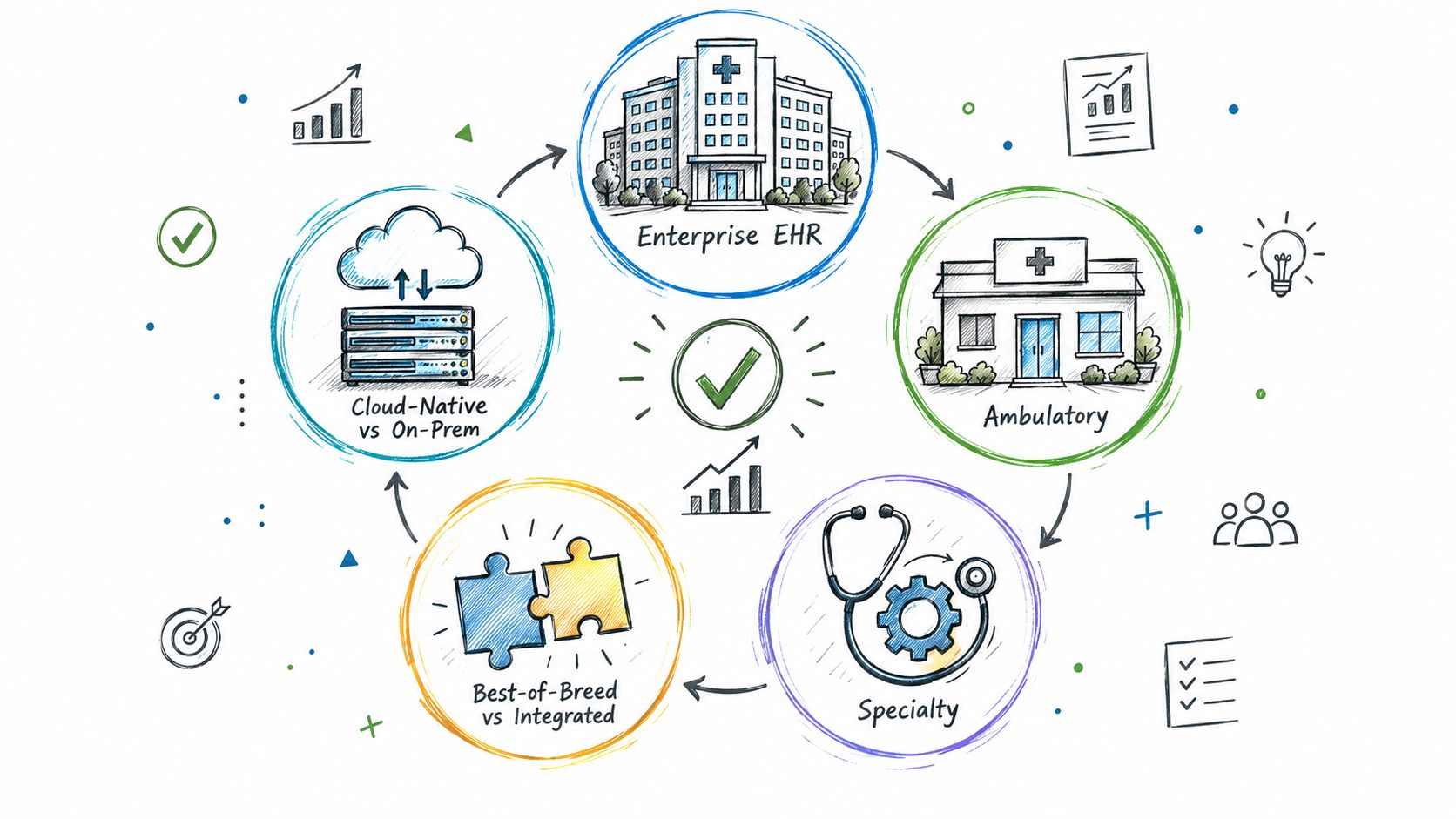
Explore the types of EHR systems by deployment model, care setting and scope. Compare integration options, trade-offs and selection tips for healthtech teams.
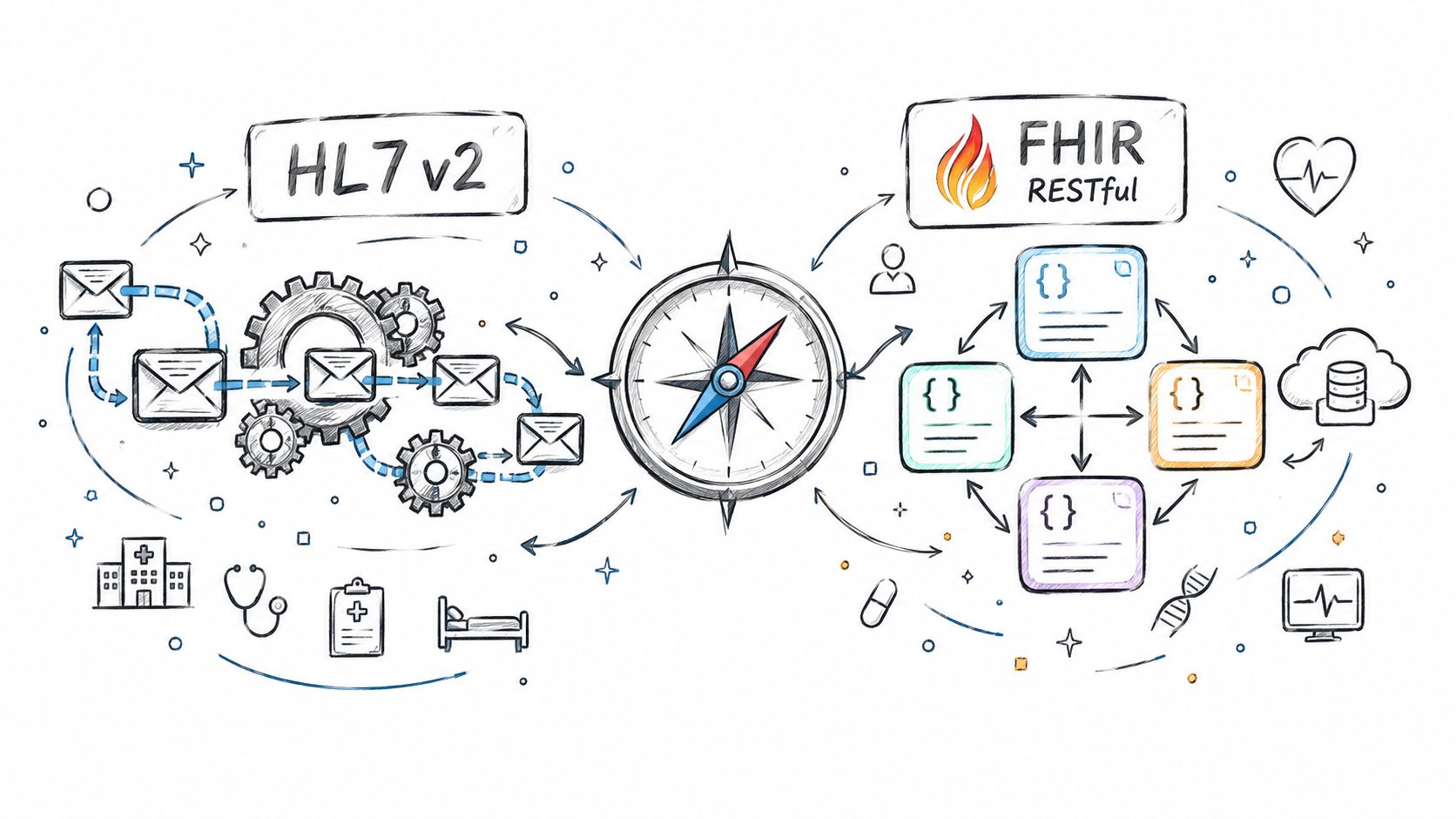
Compare Fhir vs. hl7 standards for healthtech integration. See how HL7 v2 and FHIR differ in use, mechanics, regulation, and real-world architecture.
Connect with our team to explore how AI expertise can transform your business.