AI in Healthcare
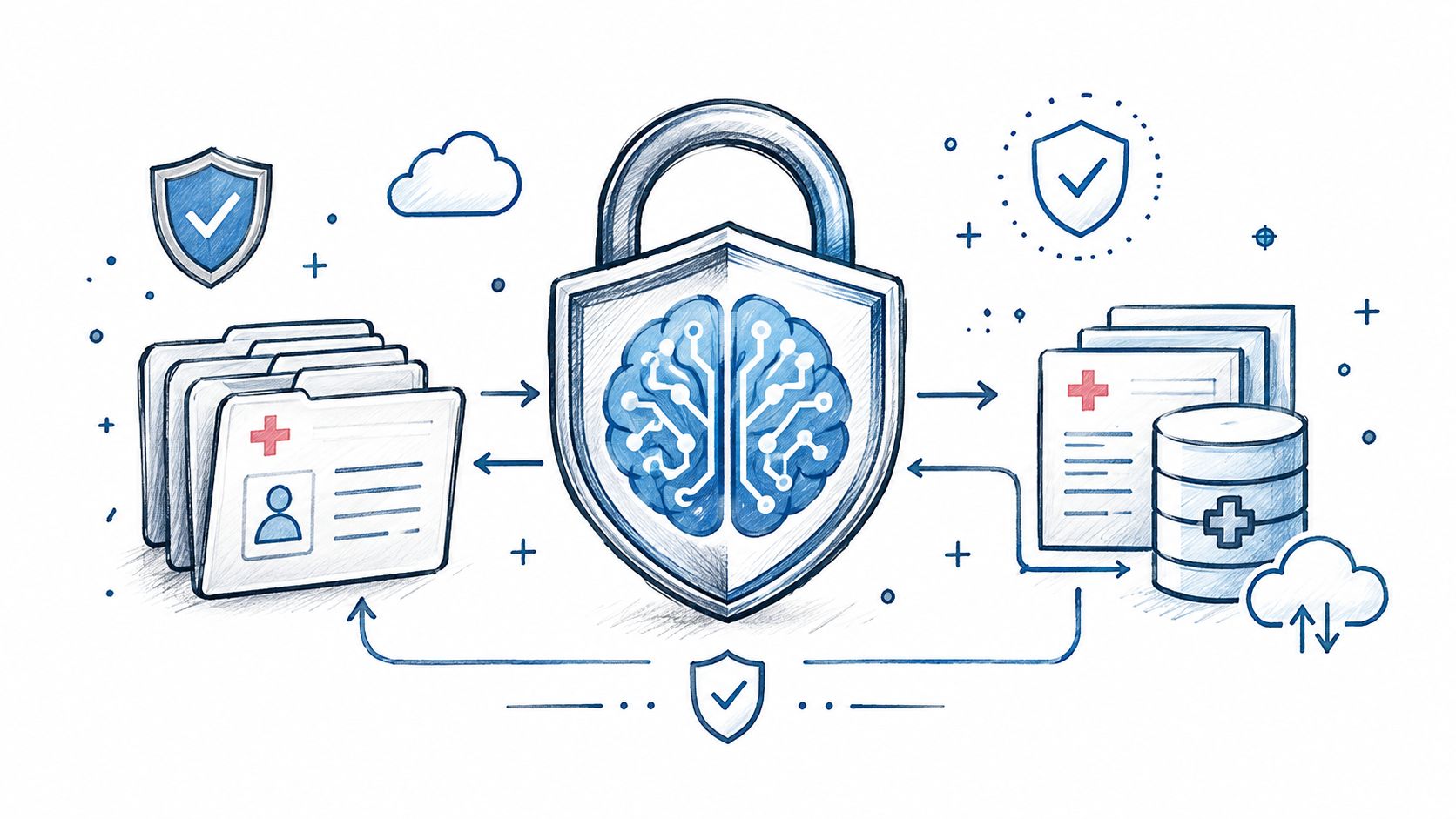
HIPAA-Compliant AI: How to Use LLMs With PHI Safely
How to build HIPAA-compliant AI: when LLM providers need a BAA, data minimization, de-identification, audit controls and a reference architecture.
October 16, 2026Read more
An AI readiness framework helps healthcare organizations assess capabilities, align strategy, and prepare data, technology, and teams for successful AI adoption and scalable innovation.
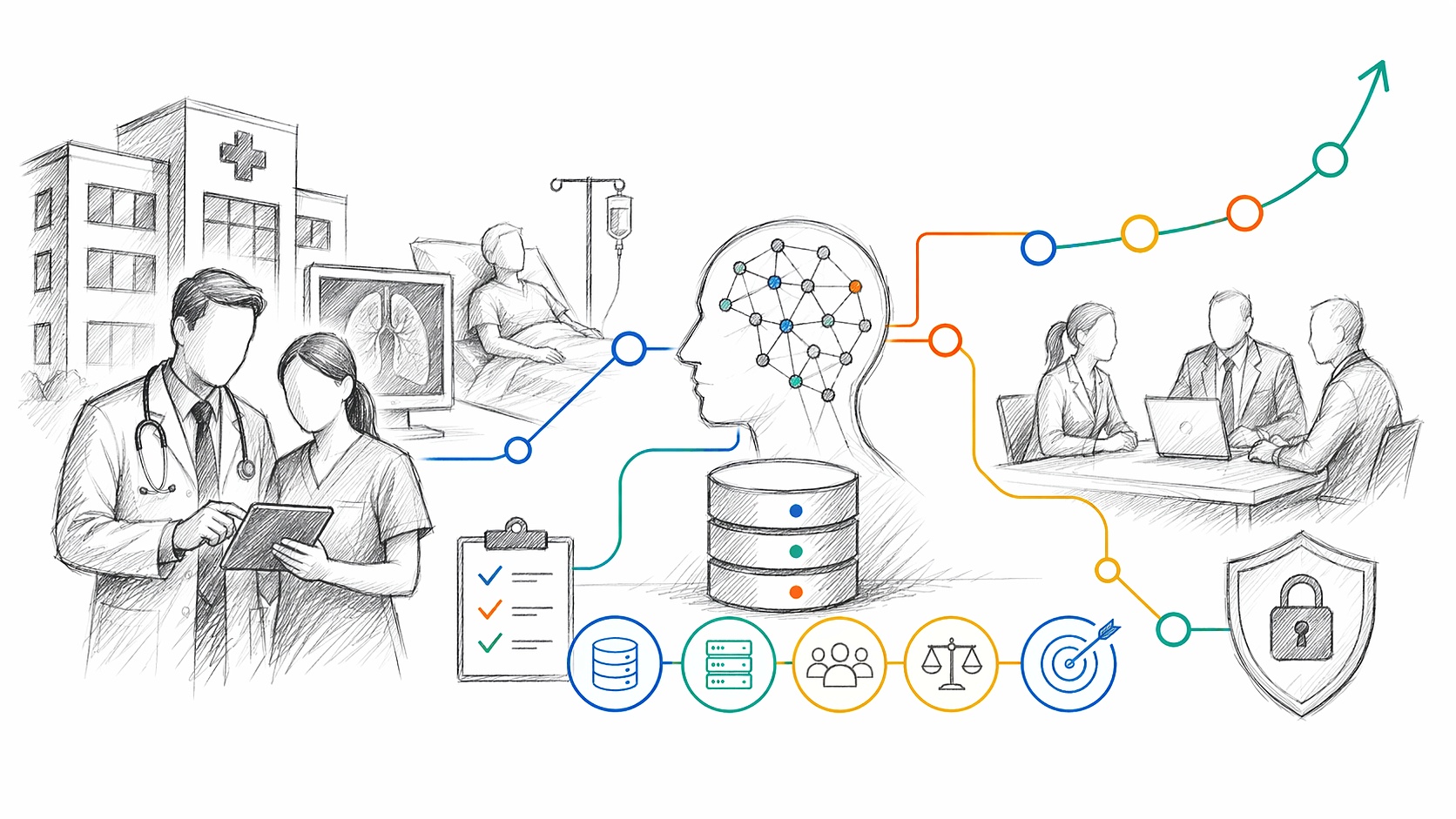
Healthcare systems are adopting artificial intelligence in diagnostics, patient care, and daily operations. From reading medical images to predicting patient trends, AI is changing how care is delivered. Yet many organisations struggle to turn their goals into real results. The main reason is gaps in planning and preparation. That is where a clear AI readiness healthcare framework brings direction and order.
A structured plan helps organisations organise their data, align technology, and prepare their teams. Without this clarity, AI projects often stay as small trials that never grow. A well-built framework lays the groundwork for safe, scalable, and meaningful AI adoption across healthcare settings.
AI readiness in healthcare means how well an organisation is prepared in terms of data, systems, people, and governance before adopting AI. It goes deeper than just buying tools or platforms. It examines how data travels across systems, how well teams grasp AI, and how decisions connect to long-term goals. A reliable healthtech engineering partner often helps guide this preparation across technical and operational areas.
True readiness brings many pieces together. Clean data, skilled staff, clear processes, knowledge of regulations, and support from leadership all play a part. When these pieces connect, organisations can use AI in a structured and responsible way.
A readiness framework finds gaps before deployment starts. It prevents unexpected failures by getting systems, data, and workflows ready ahead of time.
Well-prepared organisations can bring in tools like AI workflow automation to handle repeated tasks. This leads to faster clinical decisions and better care delivery.
Many AI projects fail because of unclear goals and weak data foundations. A structured approach brings clarity, which saves wasted effort and money.
Healthcare follows strict rules. AI readiness healthcare framework keeps AI initiatives in line with data privacy laws, ethical practices, and accountability standards.

High-quality data forms the foundation of any AI project in healthcare. Data must be accurate, consistent, complete, and reachable across different systems like hospitals, labs, and diagnostic platforms. In many cases, patient data lives in scattered forms, which creates gaps in analysis. A readiness approach focuses on standardising this data and keeping strong governance in place. Many healthcare AI services depend on well-structured datasets to deliver useful insights. That makes data preparation, validation, and security a top priority for any organisation planning to adopt AI.
Healthcare systems need modern and reliable infrastructure that can work smoothly with AI tools and applications. This includes platforms that can grow, secure cloud environments, and systems that can talk to each other without friction. Interoperability plays a big part, as data must flow across departments without delays. In clinical settings, SaMD solutions need to meet regulatory standards and also fit well within existing systems. A strong technology base lowers operational complexity and creates a steady environment where AI applications can run efficiently.
Healthcare professionals play a key part in making AI adoption successful. Doctors, nurses, and administrative teams need proper awareness and training to work confidently with AI tools. Teams must understand how AI produces results, how to read its outputs, and how to apply those insights in real situations. Without this knowledge, even advanced systems may stay underused. Skill-building programmes, internal training, and ongoing learning build trust among teams and improve adoption across departments. This leads to more consistent and reliable outcomes.
AI in healthcare works within a tightly regulated space, which makes governance a key pillar of readiness. Organisations must address data privacy, ethical use of AI, and accountability at every stage of deployment. Patient data must stay strictly confidential, and AI decisions should remain open and explainable. Clear policies and guidelines direct decision-making and lower legal risks. Ethical considerations also help maintain trust, as patients and providers expect responsible use of technology in sensitive medical situations.
Leadership sets the direction and purpose for AI adoption within a healthcare organisation. A clear strategy outlines goals, expected results, and areas where AI can make a real difference. This includes planning investments, setting timelines, and matching AI efforts with broader organisational objectives. Strong leadership involvement brings clarity across teams and drives steady execution. When decision makers stay actively engaged, organisations can handle challenges more effectively and build a long-term vision for integrating AI across clinical and operational processes.
Organisations move through different stages as they build their AI capabilities. In the awareness stage, teams learn about AI concepts and look for possible opportunities. During experimentation, small pilot projects test ideas on a limited scale. In the operational stage, AI becomes part of everyday workflows with clear processes and measurable results. The transformational stage marks full integration, where AI guides decision-making across departments. At this level, organisations often turn to a custom AI strategy report to direct their growth and ongoing improvement.
AI readiness can be measured by looking at data maturity, workflow efficiency, governance practices, and financial alignment. Organisations review how they collect and manage data, how processes run across departments, and how well their systems stay within regulations. The role of AI automation services becomes clear during this review, as it points out inefficiencies and areas that need work. Measurement brings visibility to gaps, which then guides planning and investment choices.
Organisations start by looking at their existing systems, data quality, infrastructure, and workforce skills. This step gives a clear picture of where they stand and whether their current setup can support AI projects effectively.
After the assessment, the next step is to spot gaps in data, technology, skills, or governance. Ranking these areas helps organisations focus on what needs immediate attention and avoids confusion during implementation.
A structured AI strategy sets clear goals, timelines, and expected results. It ties AI efforts to overall business objectives, which keeps teams focused and ensures steady progress.
Organisations need dependable technology and skilled people for successful AI adoption. Upgrading systems and training teams improves their ability to use AI tools effectively in real situations.
Small pilot projects let organisations test AI in controlled settings. These projects offer insights into performance and help teams build confidence before wider use.
Once pilot projects show positive results, organisations can expand AI use cases across departments. A step-by-step approach lowers risk and improves consistency across operations.
AI adoption in healthcare works best when backed by preparation, clarity, and structured planning. A well-defined AI readiness healthcare framework provides a clear path for safe and scalable implementation across clinical and operational settings. Organisations that put time into readiness gain lasting value from their AI efforts. Contact us to begin evaluating your readiness and take the next step toward meaningful change.
An AI readiness healthcare framework helps organisations prepare data, systems, and teams for AI adoption, supported by healthcare AI services.
A healthtech engineering partner provides AI implementation support and ensures smooth integration of AI workflow automation across systems.
A custom AI strategy report identifies key AI use cases and guides organisations in building a strong AI readiness healthcare framework.
SaMD solutions and AI automation services improve compliance, streamline workflows, and strengthen AI workflow automation in healthcare.
Organisations assess data, systems, and processes, then use AI implementation support and AI use cases to improve their AI readiness healthcare framework.
How to build HIPAA-compliant AI: when LLM providers need a BAA, data minimization, de-identification, audit controls and a reference architecture.
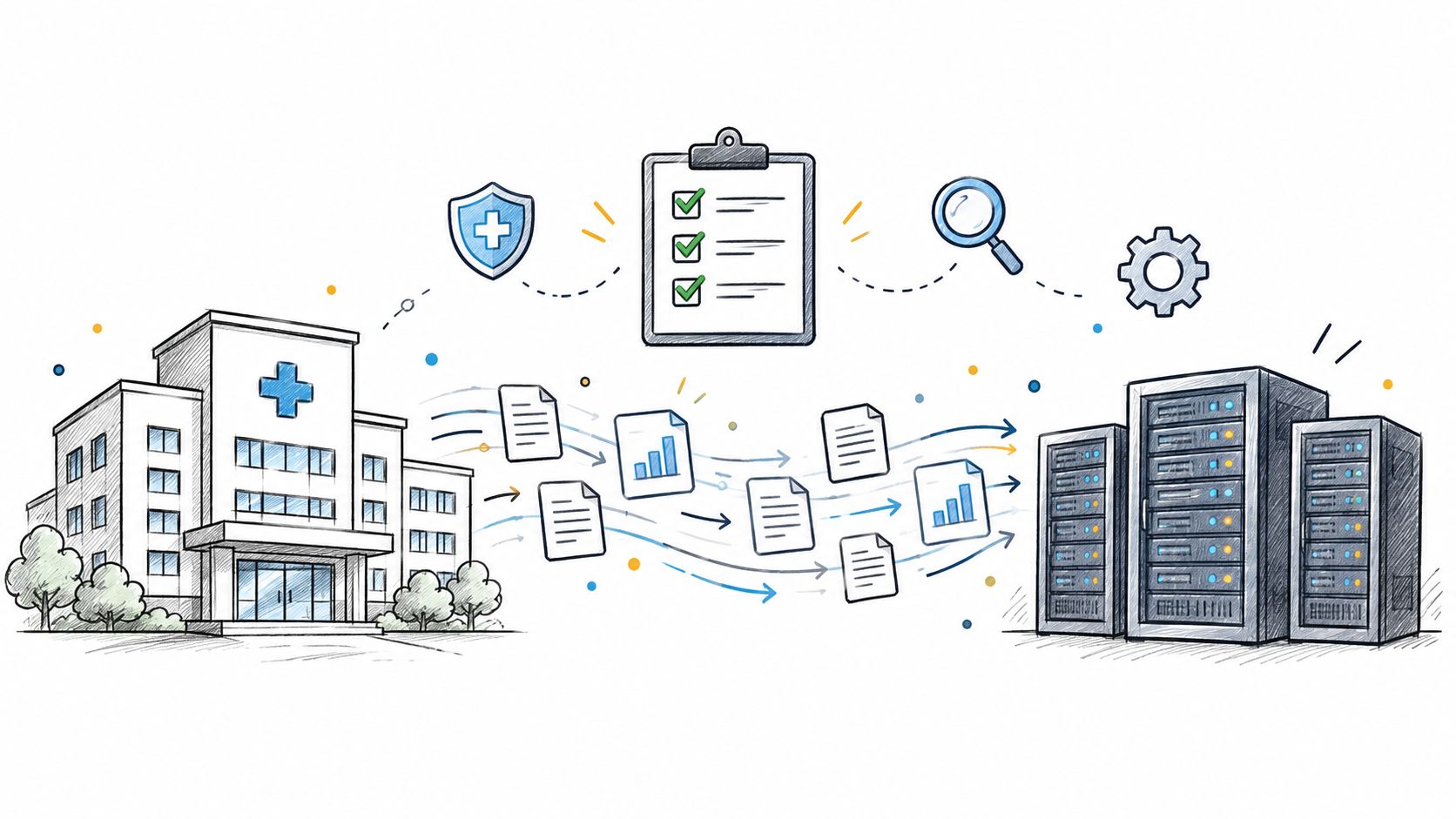
Practical data migration planning guide for healthcare teams. Scope, mapping, compliance, validation, cutover and rollback decisions explained end to end.
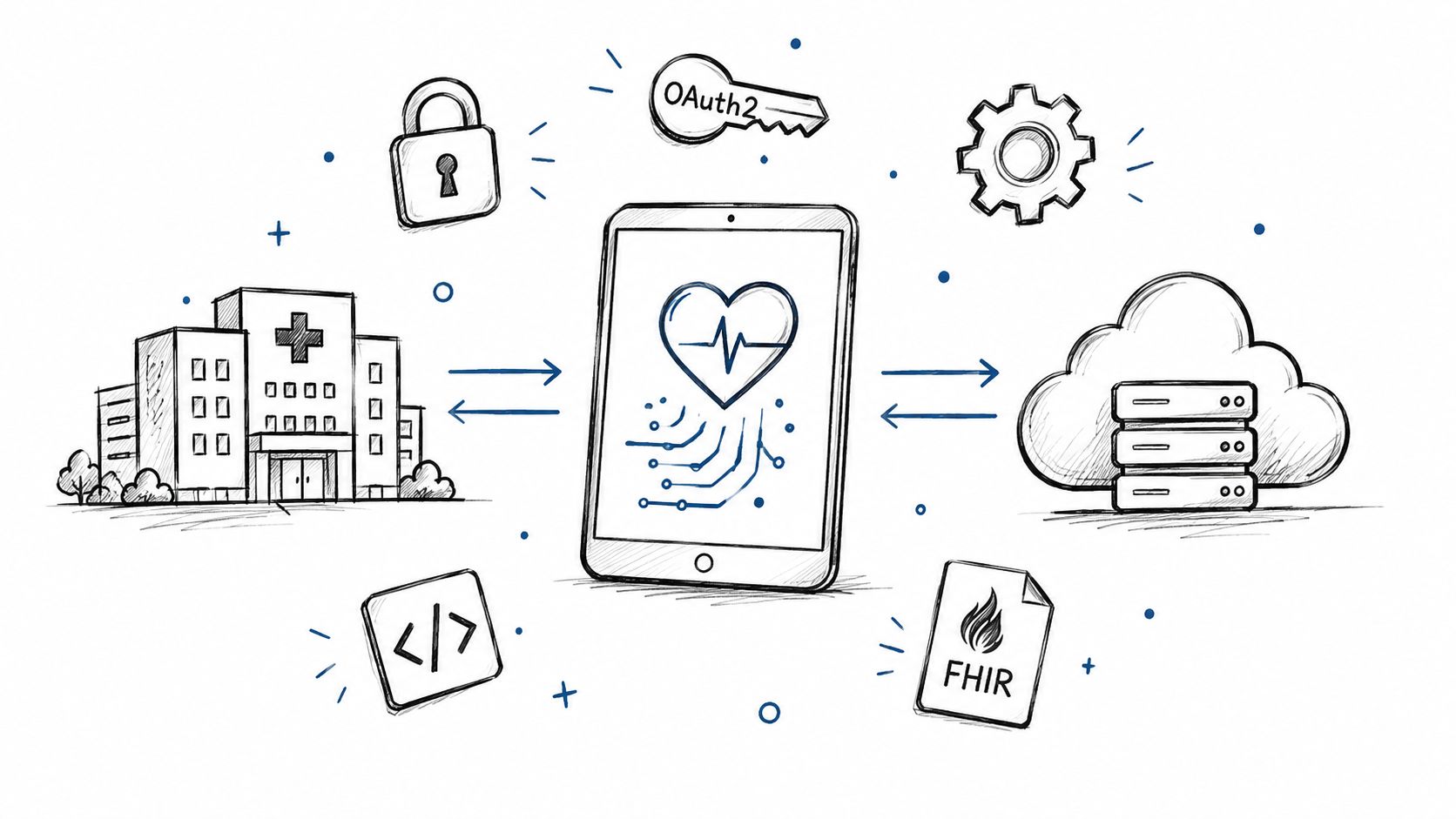
Smart on FHIR guide for healthtech engineers. Learn the OAuth 2.0 launch model, scope syntax, backend services, and US regulatory requirements.
Connect with our team to explore how AI expertise can transform your business.