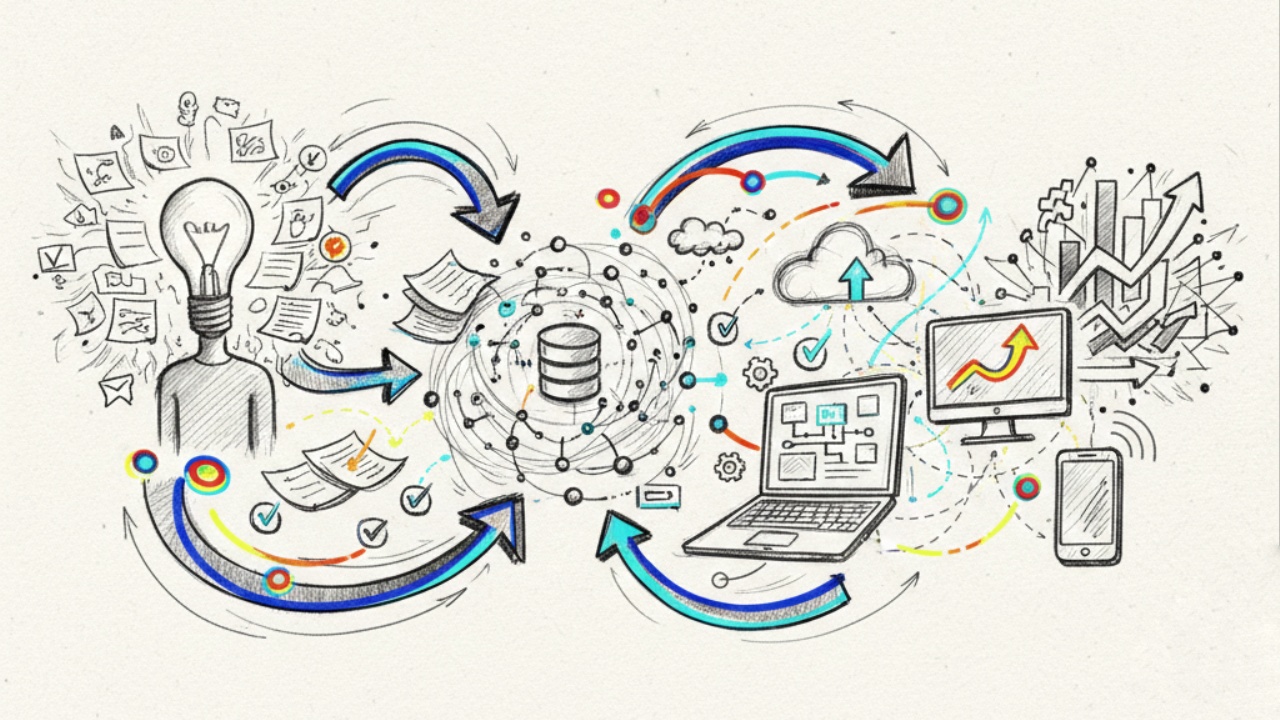
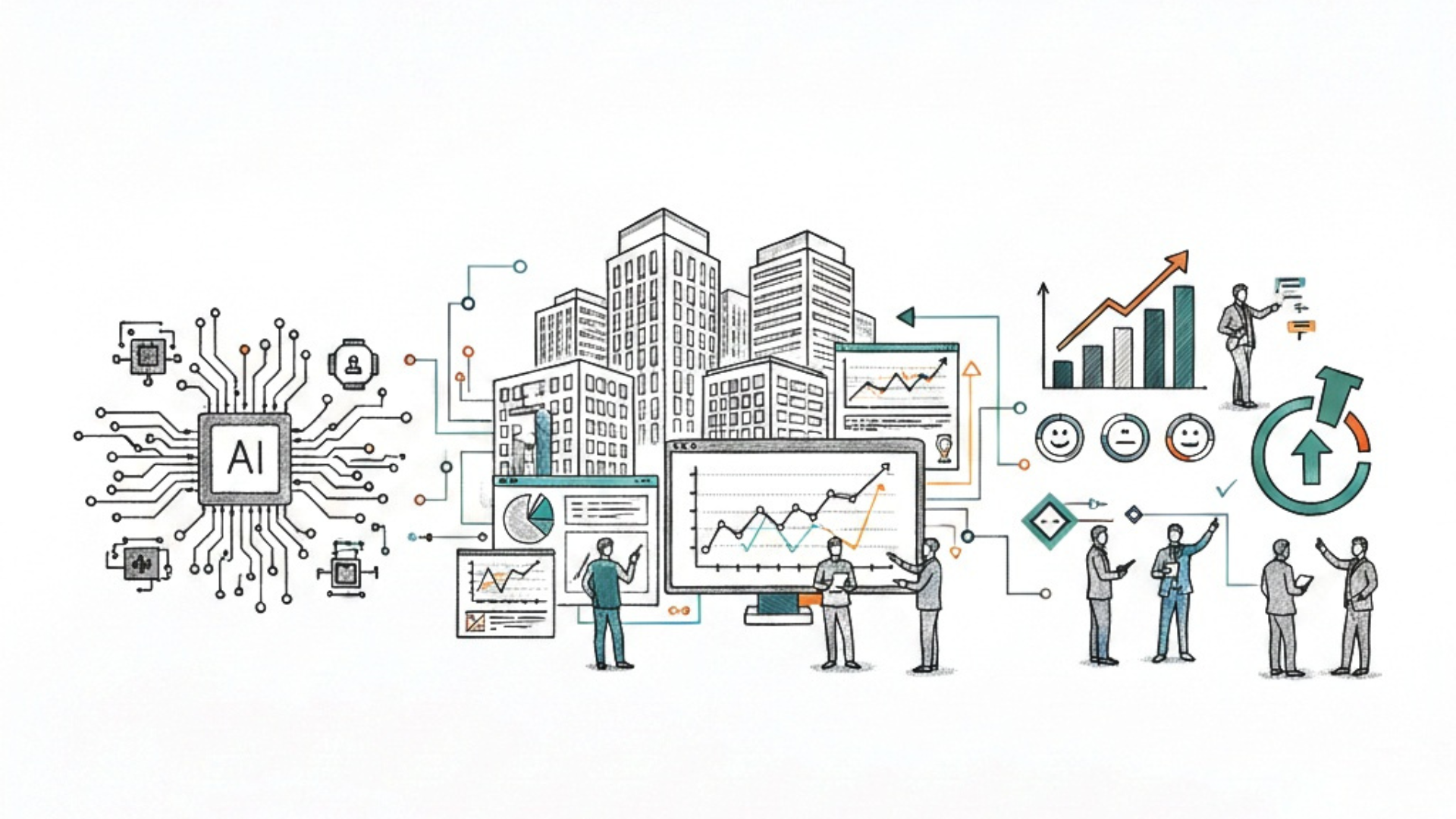
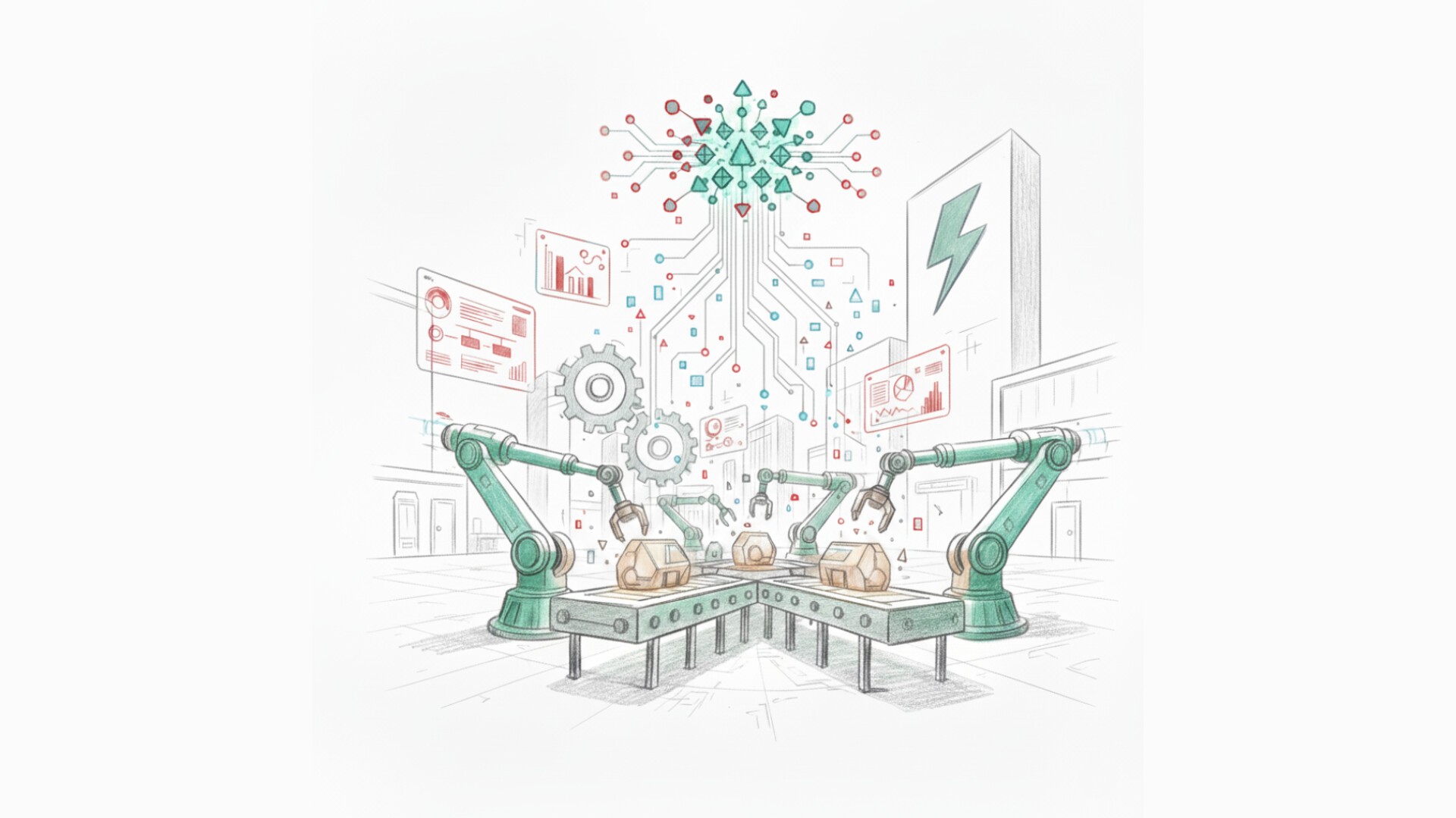
Today, many of us seek improved tools. We want systems that can manage daily tasks and support better decisions. This rising need leads more businesses to consider what artificial intelligence can do for them. The key to success is not just having a great idea, but understanding the journey it must take. This is where a clear view of the AI product development lifecycle becomes so important. It is the foundation that turns a concept into a real-world tool.
Many businesses acknowledge the potential of AI but find the path from concept to reality somewhat unclear. This guide outlines the full journey of building, launching, and refining an AI product over time.
Starting With the Right Idea
Every great product starts with a simple question: what problem are we solving? The best approach is not to use AI simply because it is possible, but to identify a genuine problem that requires a solution. This could involve enhancing customer support, forecasting trends, handling routine work, or creating more intelligent tools for your team. To help figure this out, many businesses find it useful to get some outside perspective through AI strategy consulting. This helps them see which ideas are worth pursuing.
A clear idea acts like your guide. It points the way, helping your team understand what information you need, what your users are looking for, and what result the AI should create.
Understanding Your Users and Use Cases
Good products are built by solving real problems for people. After you have your idea, the next step is to learn about your users. You must understand what they want and how they intend to use your system. This process helps you choose the right AI use cases that connect user behaviour with business goals.
Your team should watch how people do their work. Notice where they get stuck or what delays them. Think about how a smart tool could make their day easier. What you learn from this becomes the solid ground for building your product.
Preparing a Plan for the Product
Once you know what you want to build, the next step is to make a clear plan. Your team will list the main features, select a suitable AI model, and consider the time needed. This is also when you assess the effort involved. Some companies decide to engage an AI implementation partner at this stage. This partner can offer technical advice and extra skills.
Having a good plan gives your whole project a clear direction. It also helps your team agree on the tools to use, how to maintain security, and how the new system will integrate with existing ones.
Working With Data Effectively
Data is the core of every AI product. How well your system works depends on having clean, organised, and useful information. Developers gather data, correct any errors, add helpful labels, and then split it into two groups. One group teaches the AI, and the other tests its learning.
At this point, teams sometimes create a custom AI strategy report. This report helps them decide which models to use, how much data they need, and what level of accuracy is realistic. A strong start with your data makes every step that follows much more successful.
Designing and Training the Model
Once your data is ready, the real building work can start. Your team will design a model using a specific technique. This could be for sorting information, understanding language, making predictions, or even creating new content. Training involves presenting the model with a large amount of data. This allows it to learn patterns and produce reliable results. This is a critical stage in the AI product development lifecycle. The model's quality directly defines the user experience.
To build more effective models, many people learn from resources that explain machine learning fundamentals. These resources help them understand how training works, how to measure the model's performance, and methods to improve it.
Integrating the AI Into Real Systems

After your model works well, the next step is to connect it to your actual product. This involves building APIs, integrating the model into your backend, creating interface components, and designing the flow for how individuals will engage with the AI features. Successfully integrating these components is what turns a model into one of your business's core AI solutions.
This phase also evaluates how effectively the AI integrates into existing workflows. Developers verify that the product performs correctly across different devices and environments.
Testing the Product Before Launch
Before releasing the product to users, the team must test every component. You will check for accuracy, speed, and ease of use. This work involves functional checks, lab experiments, running simulations, and trials with a small group of early users.
During this phase, teams often look at an AI maturity model. This helps them see how advanced their system is and where it needs improvement. Good testing helps avoid problems later and offers an opportunity to refine the product for its launch.
Deploying the AI Product
Deployment is the exciting moment when your product goes live for real users. You will place the model on cloud platforms or your own servers, depending on your needs. You also set up monitoring systems to observe its performance, measure response times, and log any errors.
The work does not stop after launch. The AI product development lifecycle keeps going. Teams update information, adjust the model, and enhance the product based on user feedback. For many companies, this ongoing progress becomes a key part of their long-term AI readiness assessment.
Improving and Scaling the Product
AI products grow and change over time. As more people use the system, the model could require additional training, new features, or performance improvements. Teams release new versions, add more functions, and work to make the system more stable.
This continuous work often becomes a key part of a long-term AI adoption roadmap. This plan allows businesses to schedule updates, manage potential risks, and develop a more reliable product. This cycle of constant refinement keeps the product useful and competitive in the long term.
Conclusion
Building an AI product is a journey that starts with an idea and transforms it into a real-world tool through a series of clear steps. Understanding the AI product development lifecycle gives your team a clear path forward. This knowledge helps prevent common errors and supports a smoother journey from start to finish. From the initial plan and data work to the final design and launch, every phase contributes to creating a powerful, reliable product.
Contact us to discuss how teams can navigate the AI product lifecycle, accelerate implementation, and build solutions that deliver measurable results.
FAQ
1. What Is the AI Product Development Lifecycle?
The AI product development lifecycle covers every stage from idea validation and AI use cases selection to deployment, monitoring, and scaling AI Solutions.
2. How Can AI Strategy Consulting Support Product Development?
AI strategy consulting helps refine product ideas, validate AI use cases, and align development with business goals from the start.
3. When Should a Company Engage an AI Implementation Partner?
An AI implementation partner is valuable during planning, model development, integration, and deployment to ensure technical accuracy and efficiency.
4. How Do AI Maturity Models and Readiness Assessments Help?
An AI maturity model and AI readiness assessment evaluate current capabilities and identify gaps before scaling AI products.
5. What Role Does an AI Adoption Roadmap or Custom AI Strategy Report Play?
An AI adoption roadmap and custom AI strategy report guide long-term scaling, performance monitoring, and continuous improvement of AI Solutions.