AI in Healthcare
HIPAA-Compliant AI: How to Use LLMs With PHI Safely
How to build HIPAA-compliant AI: when LLM providers need a BAA, data minimization, de-identification, audit controls and a reference architecture.
October 16, 2026Read more
Discover how diagnostic workflow intelligence leverages AI to optimize operations, boost efficiency, and drive real business growth. Your essential guide.
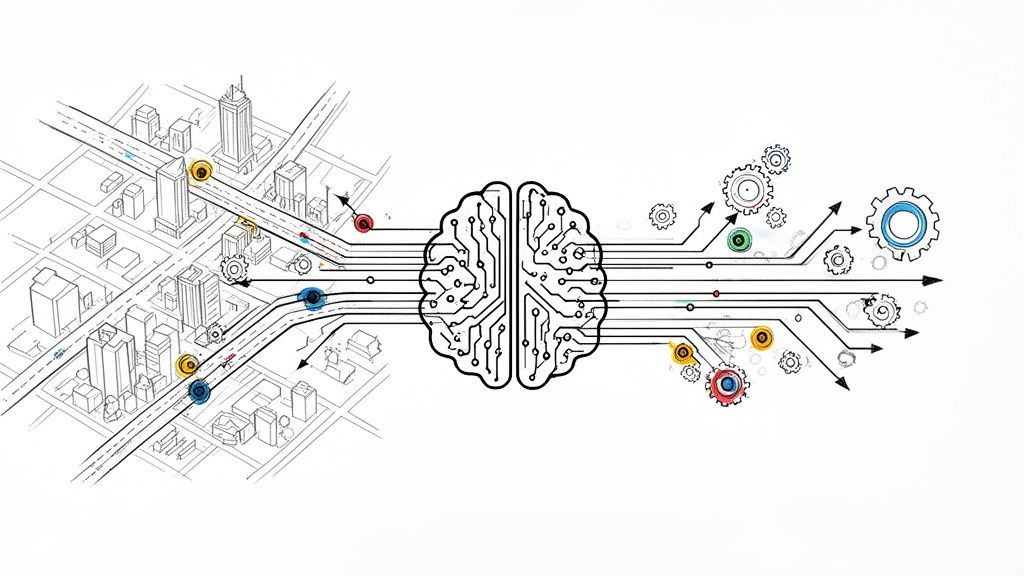
Think of your business like a complex machine with thousands of moving parts. Diagnostic workflow intelligence is the AI-driven sensory system that doesn't just tell you when a part breaks—it listens to the hum of the machine, anticipates wear and tear, and flags a component for replacement before it fails. It’s a strategic approach that converts raw operational data into a clear, actionable roadmap for growth, powered by cutting-edge AI solutions.
At its heart, diagnostic workflow intelligence is about seeing, understanding, and automatically improving every single process in your organization. It's a leap beyond just monitoring what's happening. By combining AI, process mining, and machine learning, it gets to the root cause of operational friction. This isn’t just another piece of tech jargon; it's a fundamental change in how businesses run day-to-day.
Instead of putting out fires, you can predict where they might start and prevent them entirely. This turns chaotic, unpredictable workflows into a smooth, efficient, and reliable engine for your business.
To make this happen, diagnostic workflow intelligence brings together three key functions that work in a continuous loop. This simple workflow shows how raw data is turned into decisive action.
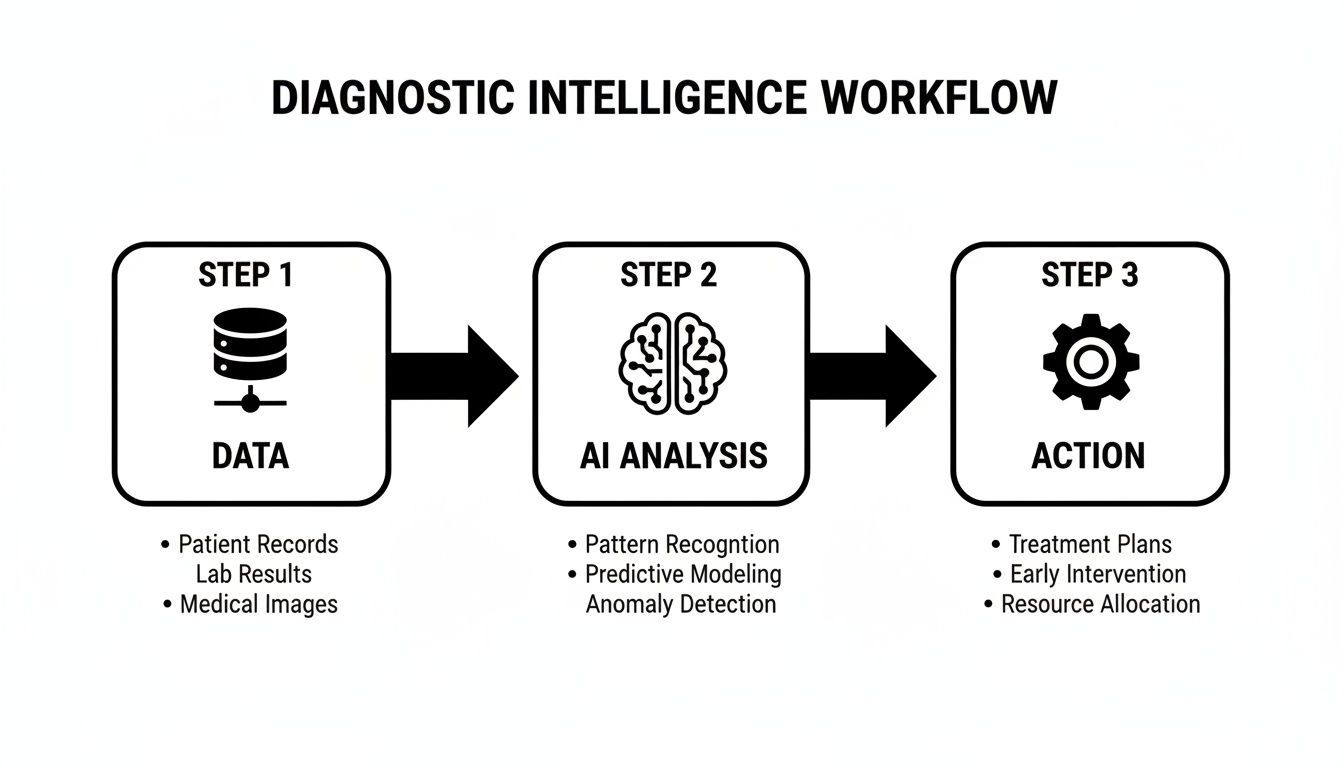
The image lays out a clear path: raw data is collected, AI analyzes it for insights, and then intelligent actions are automated, creating a cycle of constant improvement. This kind of system is critical for any industry trying to achieve operational excellence, from manufacturing floors to financial services. To see this in a specific context, it's worth looking at comprehensive models like a Bank Intelligence and Action System.
The market is certainly taking notice. The global artificial intelligence in diagnostics market was valued at USD 1.97 billion in 2025. It's expected to explode to USD 9.68 billion by 2033, growing at a compound annual growth rate (CAGR) of 21.74%. This rapid expansion shows just how deeply AI is reshaping diagnostic processes across the board.
Ultimately, by finding those hidden bottlenecks and automating the fixes, this intelligent framework has a direct impact on your bottom line. It turns operational efficiency into a real competitive edge.
To really get what diagnostic workflow intelligence is all about, you have to look under the hood. It isn't just one piece of software; it's a smart, multi-layered system where four key components work together to deliver real business results. Think of it as a self-improving loop that gets better and gives you more control over time.
We specialize in building these systems for our clients, transforming their messy operational data into a genuine competitive edge. This includes creating powerful internal tooling that drives efficiency.
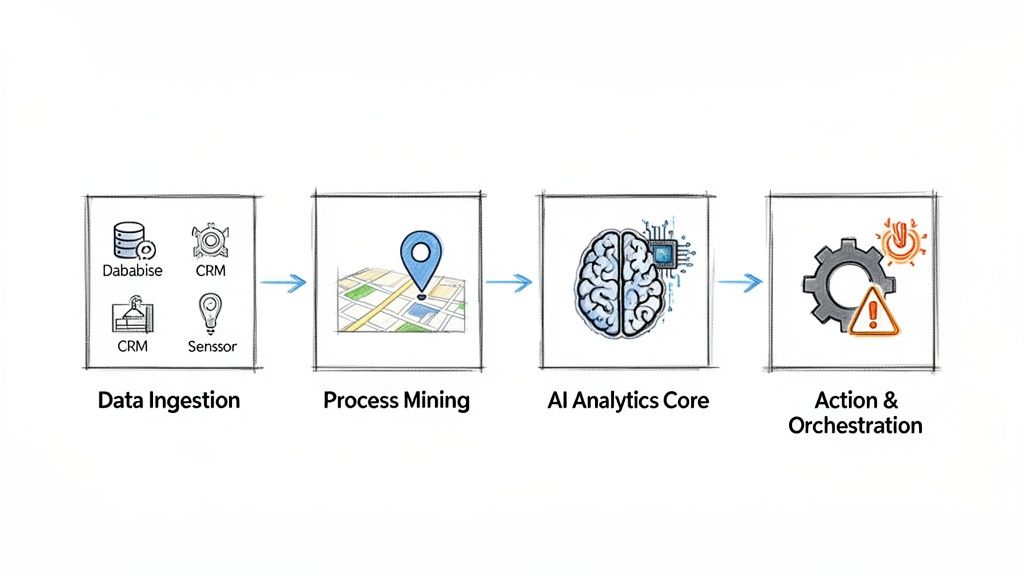
It all starts with the data. The Data Ingestion layer is the bedrock of the entire system. It plugs into everything you're already using—your CRM, ERP, IoT sensors, and any custom databases you might have. It acts like a universal adapter, constantly pulling in raw data from every part of your operation.
This layer doesn't just grab the information; it cleans it up, standardizes it, and gets it ready for the next step. Without this critical foundation, any insights you generate would be built on shaky ground, leading to completely wrong conclusions.
With clean data flowing in, the Process Mining layer kicks into gear. Think of it as a live GPS for your business processes. It doesn't care about outdated flowcharts or how people think things are supposed to work. Instead, it sifts through event logs to draw a dynamic, real-time map of how your workflows actually unfold.
This is where the magic happens. It uncovers hidden bottlenecks, spots deviations from the norm, and points directly to the real root causes of delays. You get an honest, data-backed picture of reality, which is the only way to make meaningful improvements. If you're looking to take the next step, our guide on workflow automation is a great resource.
The AI Analytics Core is the brains of the whole setup. This is where sophisticated machine learning models chew on the process maps and all that underlying data to find patterns a human could never spot.
This core has three main jobs:
By moving from reactive firefighting to proactive optimization, the AI Analytics Core completely changes your operational strategy. The focus shifts from fixing what's broken to making sure it never breaks in the first place.
Finally, the Action and Orchestration layer is what turns all that brilliant insight into real-world impact. This is where the system takes the recommendations from the AI core and actually does something with them.
It might send an automated alert to the right team member, reshuffle resources on the fly, or even kick off a robotic process automation (RPA) bot to handle a mundane task. This layer closes the loop, making sure that intelligence doesn't just die in a dashboard but actively makes your business better. When building your own system, exploring the leading cloud infrastructure automation tools can help bring this final, crucial pillar to life.
Together, these four pillars create a resilient, intelligent system that continuously learns and adapts, delivering lasting value to your business.
Adopting diagnostic workflow intelligence isn't a leap of faith. It's a calculated investment with clear, measurable returns that show up right on the bottom line. This is where we move past the theory and into the real-world business impacts—turning operational improvements into financial gains and a serious competitive edge.
When you put these intelligent systems to work, you see significant results across the board. Businesses can slash operational costs by uncovering hidden waste, boost team productivity by automating tedious tasks, and raise customer satisfaction by solving problems faster and more accurately than ever before.
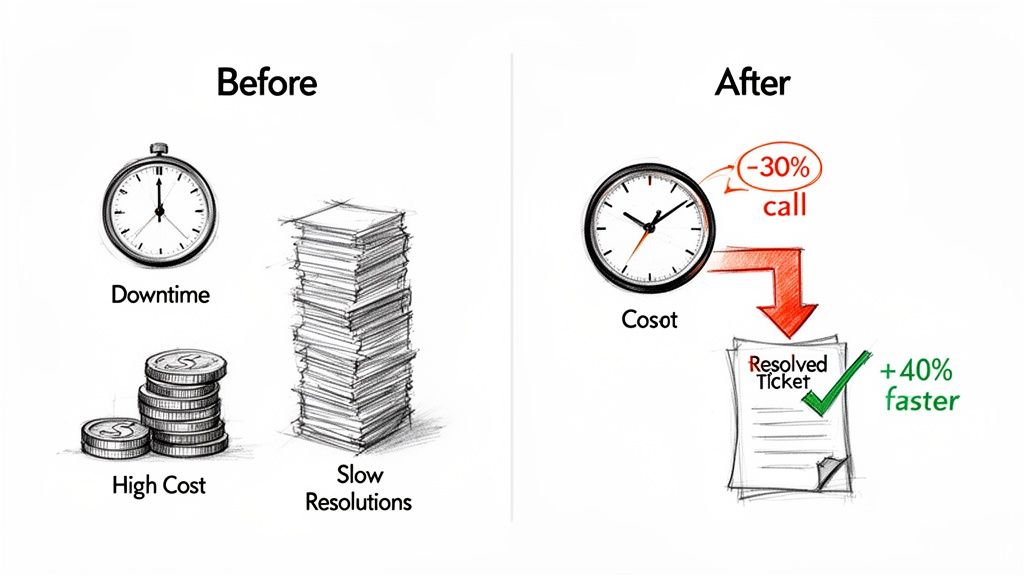
One of the first things you'll notice is a drop in costs. An intelligent workflow might discover that one specific step in a manufacturing line is causing 30% of all material waste, or that a recurring IT bug eats up hundreds of support hours every month. By flagging these problems, the system gives you a direct path to savings.
Productivity gets a massive lift, too. Think about a support team that spends half its day just categorizing tickets. Diagnostic intelligence automates that entirely, freeing up agents to tackle complex problems. This single change can lead to 40% faster IT incident resolution time. It’s a shift that turns teams from reactive firefighters into proactive problem-solvers. Getting the most out of this starts with a solid plan, which is exactly where our AI strategy consulting makes a difference.
To see just how undeniable the value is, let's look at the transformation of a typical business process. The table below paints a vivid picture of the shift from a traditional workflow to an intelligent one, highlighting the real impact on key metrics.
| Metric | Traditional Workflow (Before) | Intelligent Workflow (After) |
|---|---|---|
| Issue Detection | Manual, reactive (after failure) | Proactive, predictive (before it happens) |
| Average Resolution Time | 8-12 hours | 2-4 hours |
| Error Rate | 15% | 2% |
| Team Productivity | 60% of time on manual tasks | 90% of time on strategic work |
| Operational Visibility | Fragmented, based on old reports | Real-time, end-to-end view |
| Decision Making | Based on intuition and experience | Data-driven and automated |
This isn't just a small step forward; it's a complete operational overhaul. The data shows a clear move away from slow, manual, and reactive work toward a fast, automated, and proactive model. This is the kind of powerful change at the heart of our AI Automation as a Service offering.
Beyond the hard numbers, the ROI of diagnostic workflow intelligence creates strategic advantages that are just as valuable, even if they're a bit harder to put on a spreadsheet. We're talking about enhanced agility, better compliance, and a standout customer experience.
Ultimately, measuring the full ROI means looking at both the direct savings—like reduced downtime and lower operational costs—and the strategic benefits that make your business stronger for the future. As we’ve covered in our AI adoption guide, a well-defined strategy is key. Our expert team is ready to help you build that strategy and make sure your investment delivers the biggest possible impact.
Theory is great, but the real magic of diagnostic workflow intelligence happens when you see it solve actual problems on the ground. Let's look at a few real-world use cases where this technology is already making a huge difference. From the hospital floor to the factory line, intelligent systems are fundamentally changing how work gets done.
Nowhere is the impact of this technology more profound than in healthcare. For decades, patient care has been mostly reactive—we wait for symptoms to appear, then we treat them. Intelligent systems flip this model on its head by spotting risks and dangerous patterns long before they become emergencies. This is a central focus of our Healthcare AI Services.
For example, an AI-powered workflow can continuously scan electronic health records (EHR) to flag patients showing early signs of sepsis, giving doctors a critical head start on treatment. In radiology, AI algorithms can pre-screen medical images, pushing the most urgent cases to the top of a radiologist's queue while highlighting tiny anomalies the human eye might miss. The result is a faster, more accurate diagnosis, often achieved through custom healthcare software development.
The market is taking notice. The global Radiology AI market, a key piece of diagnostic intelligence, was valued at USD 794.12 million in 2025 and is expected to explode to USD 7,168.28 million by 2035, growing at a staggering CAGR of 24.61%. What’s fueling this? Hospitals are now handling 20% more scans each year without a proportional increase in staff, and AI is stepping in to manage that overwhelming volume. You can dig into the numbers in the full report from Precedence Research.
Key Takeaway: In healthcare, diagnostic intelligence shifts the entire paradigm from treating sickness to proactively managing health. It automates complex analysis to give clinicians the insights they need to act decisively and improve patient outcomes.
In manufacturing, unplanned downtime is the ultimate profit killer. Every minute a production line sits idle, money is draining away. Diagnostic workflow intelligence acts as the first line of defense through predictive maintenance—the simple but powerful idea of fixing equipment before it breaks.
Think about it: IoT sensors on a factory machine are constantly streaming performance data—vibration, temperature, output—into an intelligent system. The AI watches this data around the clock, looking for tiny deviations that signal trouble ahead.
This proactive approach doesn't just maximize uptime; it also extends the life of your most expensive machinery. For companies wanting to get started, checking out a dedicated predictive maintenance app can be a fantastic first step.
These same principles work wonders in the digital world, too. In IT Operations (often called AIOps), systems analyze network traffic, server logs, and application performance metrics to predict outages and spot security threats before they affect users. This turns the IT team from a reactive "break-fix" crew into a proactive guardian of the business.
It’s a similar story in customer support. Instead of just answering one ticket after another, intelligent workflows can analyze thousands of them to find the root cause of recurring problems. Maybe a confusing feature in your software is causing a flood of similar questions. The system flags this, allowing you to fix the core issue once and for all, which dramatically cuts down on ticket volume and makes for much happier customers.
Bringing an intelligent workflow to life isn't a flip-of-the-switch event. It's a journey. The most successful implementations I've seen follow a structured, phased approach—not a single giant leap, but a series of deliberate, well-managed steps. A well-defined AI Product Development Workflow is essential for success.
This roadmap breaks that journey into four clear, manageable phases, guiding you from that initial spark of an idea to creating real, enterprise-wide impact.
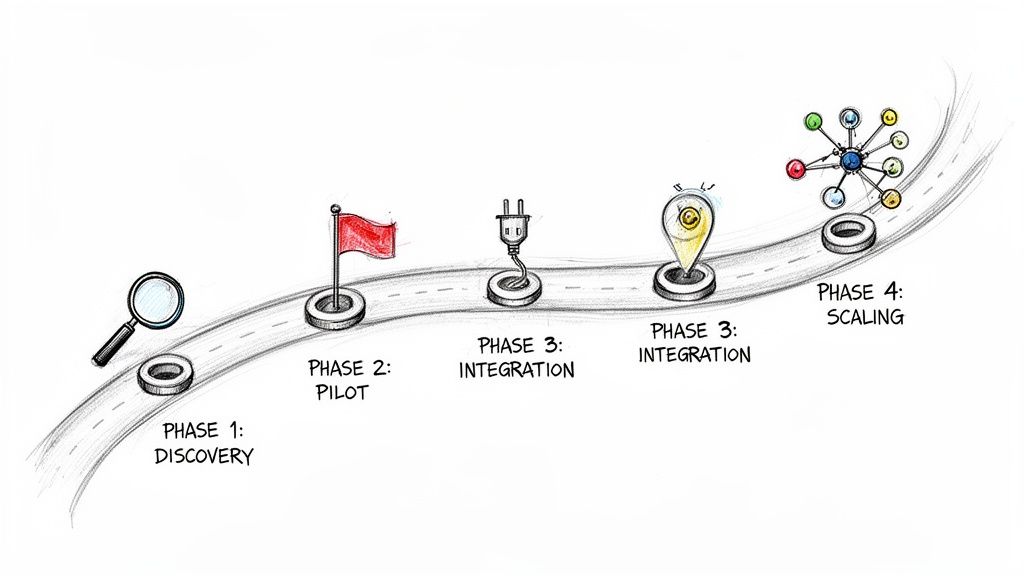
First things first: you have to know where to aim. The journey begins with identifying where you'll get the biggest bang for your buck. During the Discovery phase, your goal is to pinpoint the most critical, high-impact business processes that are practically begging for an upgrade.
This means digging into your current operations to find the workflows suffering from the most painful bottlenecks, frustrating inefficiencies, or hidden costs. It's not about picking just any process; it's about being strategic. You're looking for areas where even a small improvement can deliver a substantial return. This first step, which results in a Custom AI Strategy report, sets the foundation for everything that follows.
Once you've identified a prime candidate, it's time to run a controlled Pilot Program. Forget about a massive, business-wide rollout for now. Instead, you’ll focus on implementing diagnostic workflow intelligence for a single, well-defined process. This is all about minimizing risk while creating a powerful proof-of-concept.
The goals for the pilot are simple and direct:
Think of a successful pilot as your internal case study. It makes justifying further investment and expansion a whole lot easier.
With a win from your pilot, it’s time for Technology Integration. This is where the real technical work happens. You’ll be connecting your data sources, configuring the AI models, and weaving the new system into your existing software stack. The key is ensuring a seamless flow of data from your ERPs, CRMs, and other platforms into the intelligence engine.
Choosing the right components here is vital. It means selecting the best AI tools for business—ones that fit your specific goals and technical environment. A perfect real-world example of this is happening right now in healthcare. The market for AI radiology workflows—a very precise application of this concept—hit USD 5.6 billion in 2025 and is on track to reach USD 42.0 billion by 2035, growing at a blistering 22.3% CAGR.
What's driving that? Deep learning platforms for diagnostics and predictive analytics are flagging 15-20% more incidental findings, which helps prevent costly late-stage interventions. This kind of targeted application shows just how powerful this approach can be when the tech is integrated properly.
The final phase is all about Scaling. You've got the data from a successful pilot and a fully integrated tech stack. Now, you can start expanding the solution to other departments and business units. This phase is about controlled replication—taking the hard-won lessons from the pilot and applying them to new workflows.
But scaling isn't just about technology; it's about people and process. Throughout this entire journey, strong change management is the glue that holds everything together. You have to make sure your teams are trained, supported, and ready to embrace a smarter way of working. It’s here that an end-to-end implementation support framework becomes critical, ensuring the human side of the transformation is as successful as the technical one.
As you grow, establishing clear governance policies is also essential to ensure the solution stays effective, secure, and aligned with your business objectives.
Getting a diagnostic workflow intelligence system off the ground can feel like a huge, risky project. You're often looking at long timelines and a cloudy ROI, all while worrying if you're even headed in the right direction. It's no wonder so many companies get bogged down in "analysis paralysis," delaying the very benefits they need to stay competitive.
This is exactly where we come in. Ekipa AI was built to cut through that complexity. Our whole approach is designed for speed and impact, helping you sidestep the slow, expensive AI projects that often fizzle out before they ever deliver real value. We believe in getting from idea to action fast, so your investment starts paying off right away.
It all starts with a rapid AI requirements analysis that lays out a strategic plan in days, not months. We skip the lengthy theoretical debates and zero in on high-impact opportunities that directly support your business goals. You walk away with a clear, actionable blueprint for what comes next.
From there, we guide you through every step. Our AI Strategy consulting tool sharpens the discovery process, making it simple to pick the right workflows to tackle first. This isn't about guesswork; it's a data-backed approach to building a solid foundation for the entire project.
We bridge the gap between a promising idea and a fully executed solution. Our goal is to make adopting diagnostic workflow intelligence straightforward, fast, and achievable for any organization ready to take control of its operations.
Our strategies aren't just concepts pulled from a textbook. They’ve been battle-tested and refined by our expert team—industry veterans who have been in the trenches and navigated these exact challenges before. We get the practical realities of integrating new tech and managing the organizational change that comes with it.
Once your strategy is locked in, we shift directly into execution with our AI Automation as a Service. This is where the rubber meets the road. We provide the hands-on support to turn the intelligence you've uncovered into real-world automated actions. We handle the heavy lifting on the technical side, freeing up your team to use their new insights to drive the business forward.
This end-to-end service covers everything:
We don’t just hand you a report and wish you luck. We're your partner in building, deploying, and scaling the solutions that will redefine how your business operates. Your journey to a smarter, more proactive operation is just one discovery call away.
Let's dig into some of the most common questions we hear from leaders when they start exploring diagnostic workflow intelligence. These are the practical, rubber-meets-the-road questions that come up when you move from theory to action.
It's almost never the AI itself. The real challenge is usually data readiness. These systems thrive on clean, connected data from across your business—think ERPs, CRMs, and support ticketing systems. If your data lives in separate silos or is riddled with inconsistencies, that's where you have to start.
Our advice? Don't try to boil the ocean. Kick things off with a small pilot project focused on an area where the data is already in decent shape. This lets you score a quick win, show tangible results, and build momentum for the broader data work. The other major piece is change management; getting your team to trust and act on the AI’s recommendations is key. We often help clients map this out with our AI strategy consulting.
Absolutely. It’s easy to picture this technology on a factory floor or in an IT command center, but its principles apply everywhere. Think about HR—it could analyze your hiring funnel to pinpoint exactly where top candidates are dropping off or even predict which new hires might be at risk of churning in their first 90 days.
Over in Sales, it could dissect your entire sales cycle to find the hidden bottlenecks, automate the tedious parts of lead qualification, and give reps intelligent suggestions for their next move. Any process with repeatable steps, clear decision points, and a data trail is fair game. We've seen some incredible real-world use cases in these departments that deliver immediate value.
You measure success by tracking the specific Key Performance Indicators (KPIs) you agreed on before you even started. If you’re optimizing an operational process, you’d be looking at things like shorter cycle times, fewer errors, or higher throughput. For a customer support workflow, you might track first-call resolution rates or a jump in CSAT scores.
The financial ROI comes from tying those KPI improvements back to the bottom line. You calculate the cost of implementation and compare it to the value you’re getting back—whether that’s direct cost savings from reduced waste, new revenue from a more productive team, or avoiding the high cost of a critical system failure. As we covered in our AI adoption guide, setting a clear baseline before you start is the only way to truly prove the impact.
The timeline can vary greatly depending on the complexity of the process and the state of your data. A well-defined pilot project can start showing results in as little as 4-6 weeks. A full, enterprise-wide integration might take 6-12 months. Our approach focuses on delivering value quickly through phased rollouts, so you don't have to wait a year to see a return on your investment.
Initially, you'll need a cross-functional team including a project sponsor (a business leader), subject matter experts from the targeted department, and IT/data specialists. Once the system is running, the day-to-day management is often handled by a business analyst or a process improvement lead. The goal is to empower your business teams to use the insights, not create a heavy new burden for IT. The expertise of our expert team can also supplement your internal resources.
Ready to turn operational insights into your competitive advantage? Ekipa AI delivers tailored AI strategies that accelerate your journey from discovery to execution. See how our platform can transform your workflows by visiting https://www.ekipa.ai today.
How to build HIPAA-compliant AI: when LLM providers need a BAA, data minimization, de-identification, audit controls and a reference architecture.
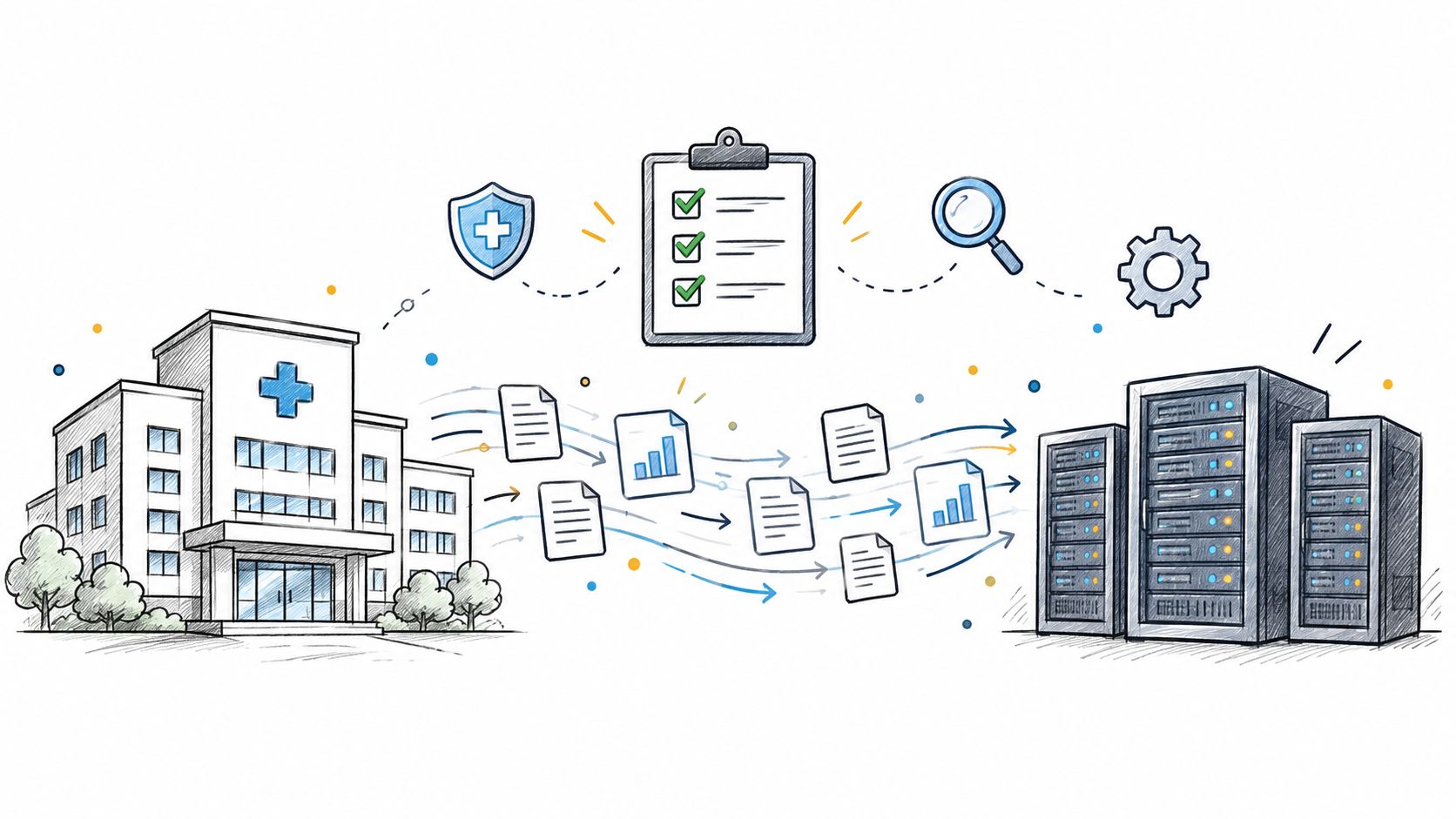
Practical data migration planning guide for healthcare teams. Scope, mapping, compliance, validation, cutover and rollback decisions explained end to end.
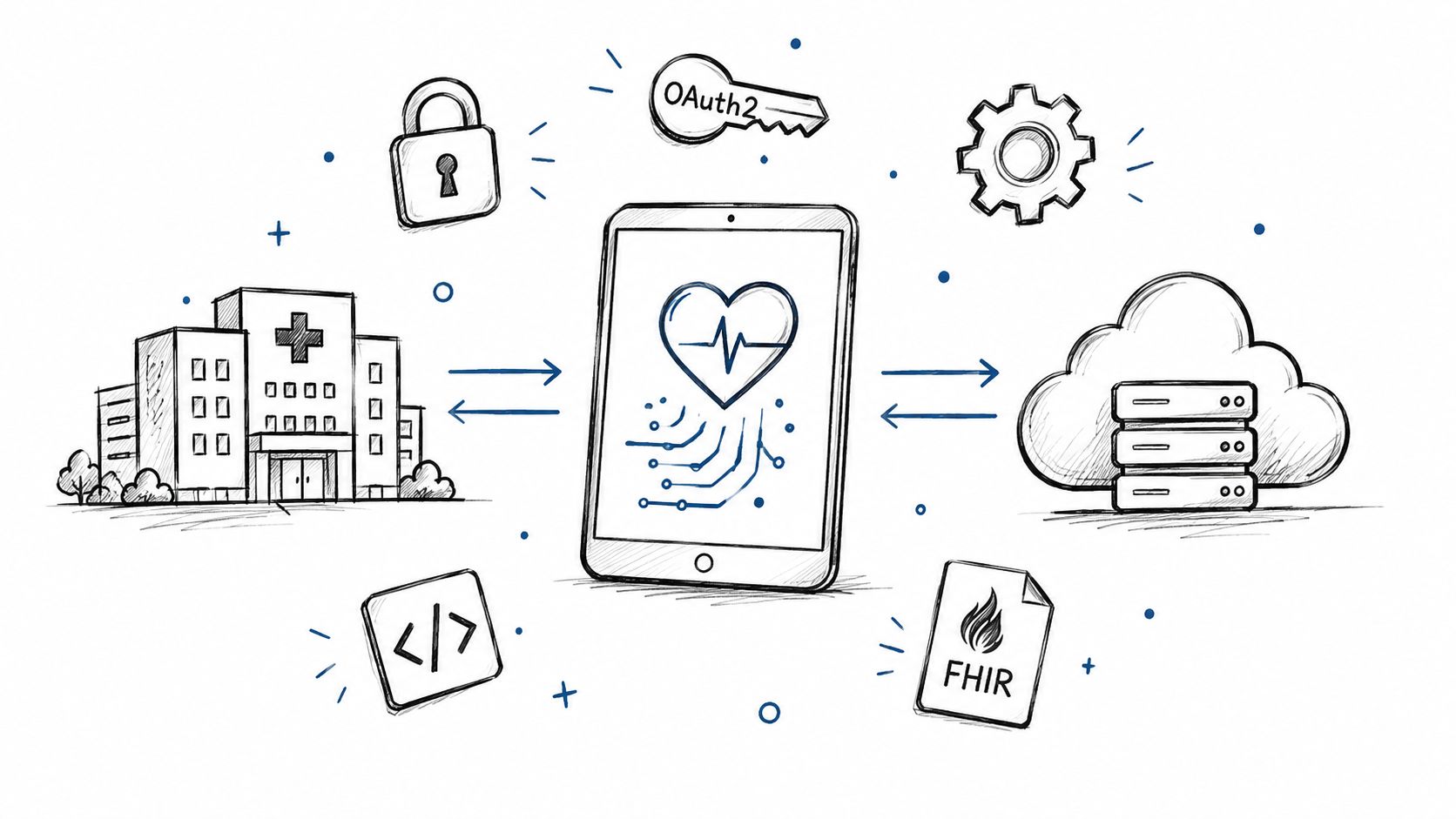
Smart on FHIR guide for healthtech engineers. Learn the OAuth 2.0 launch model, scope syntax, backend services, and US regulatory requirements.
Connect with our team to explore how AI expertise can transform your business.